
A practical guide to choosing the right home battery capacity - with real customer data, country-specific insights, and a simple 3-step sizing framework.
Walk into any home battery discussion, and the same question comes up again and again:
“Do I need 5kWh, 10kWh, or 15kWh of storage?”
The right capacity depends on a mix of factors: how your household actually uses electricity, what you want backup for, whether you have solar, and – importantly – where you live. A family in Germany faces different electricity costs and consumption patterns than a family in Texas, and that changes the payback equation entirely.
This guide will help you move beyond the marketing numbers and make an informed decision. Let’s break down 5kWh vs 10kWh vs 15kWh – what each size actually means, how much they cost, who they’re for, and how to pick the right one for your home.For years, homeowners looking to add battery storage faced a daunting decision: piece together an inverter from one brand, batteries from another, and hope everything talks to each other. That landscape is changing fast. Across North America, Europe, and Asia-Pacific, a new generation of all-in-one home energy storage systems is reshaping what residential storage looks like—and why buyers are paying attention.
By 2026, the all-in-one segment has moved decisively from niche to mainstream. The global all-in-one home energy storage market was valued at US$2.9 billion in 2025 and is expected to reach US$8.7 billion by 2032, growing at a compound annual growth rate of 17.0%.
Quick Answer: Which Size Do You Need?
| Small apartment / low night-time usage / minimal backup needs | 5kWh |
|---|---|
| Average 3-4 person household / daily solar self-consumption / partial backup | 10kWh |
| Large home / EV charging / heat pump / whole-home backup / energy independence | 15kWh |
1: What 5kWh, 10kWh, and 15kWh Actually Mean
Let’s move beyond “kWh” as an abstract number and translate it into something you can feel: hours of autonomy.
5kWh – The Entry-Level
What it powers: A 5kWh system typically covers a home’s evening base load for a few hours – lights, Wi-Fi, TV, phone charging.
Best for:
– Small apartments (1-2 people)
– Homes with very low night-time usage (<8 kWh/day after sunset)
– As a modular building block for larger expandable systems
– RV or tiny home applications
The catch: 5kWh offers limited backup. If your home consumes 12 kWh between 6 PM and 8 AM, a 5kWh battery is fundamentally insufficient, regardless of how large your solar array is.
10kWh – The Balanced Residential Standard
What it powers: A 10kWh system typically covers a standard family’s overnight base load (refrigerator, lights, electronics, some small appliances) with enough headroom for a few high-draw devices.
Best for:
– Average 3-4 person suburban home
– Standard 6-10 kW solar system pairing
– Partial backup (critical circuits only)
– The “sweet spot” for most households
Why it’s the most common choice: 10kWh balances cost, capacity, and real-world usability. Most homeowners find it provides enough energy for essential evening use without paying for unused capacity.
15kWh – High-Usage / Partial Whole Home Backup
What it powers: A 15kWh system can cover 2-3 days of essential loads (refrigerator, lights, Wi-Fi, fans) or a whole small home for 24 hours. It can also run a single air conditioner overnight alongside other essentials.
Best for:
– Larger homes (4+ people)
– Homes with electric vehicles (EVs)
– Heat pump or central AC households
– Regions with frequent, prolonged outages
– People seeking maximum energy independence
2: Our Own Customer Survey - What Real Households Actually Chose
We analyzed purchase data from residential battery customers across Europe, North America, and Asia-Pacific between 2024 and 2026. Here’s what we found:
Key Insight #1: Most Households Size by Daily Consumption First
In our survey, 68% of respondents first looked at their daily kWh usage, then sized a battery to cover 50-80% of it. Only 22% sized primarily for backup duration.
Key Insight #2: “Capacity Creep” Is Real
We observed a clear pattern: first-time buyers often start with 5kWh in their research, but after modeling their actual usage, 67% end up choosing 10kWh or larger. The main reasons: underestimating night-time consumption, failing to account for cloudy days, and overestimating how much solar actually generates in winter.
Our recommendation: If you’re on the fence, size one step up from your initial estimate. The upfront cost difference is smaller than the regret of an undersized system.
Key Insight #3: Regional Differences Are Real
From our dataset:
Germany & Netherlands: Strong preference for 10kWh. Homeowners focus on self-consumption and peak shaving. Many already have balcony solar (600-800W) and use battery storage to maximize evening coverage.
United States (California, Texas, Florida): Larger average capacity (13-20 kWh). Drivers: longer outage durations (hurricanes, winter storms), larger homes, EV adoption, and time-of-use rates exceeding $0.45/kWh.
Australia: Growing shift toward 13-20 kWh as feed in tariffs drop below $0.05/kWh. “Solar sponge” mentality – if you’re generating it, you want to use it.
South Asian: Compact 5-10 kWh systems dominate, driven by space constraints and government subsidies.
3: Complete Comparison Table - 5kWh vs 10kWh vs 15kWh
| Feature | 5kWh | 10kWh | 15kWh |
|---|---|---|---|
| Typical usable capacity | 4.0-4.8kWh | 8.0-9.5kWh | 12.0-14.5kWh |
| Best for household size | 1-2people | 3-4people | 4+people |
| Can power refrigerator overnight? | ✅ | ✅ | ✅ |
| Can run AC overnight (with solar) | ❌ | ✅ (small AC) | ✅ |
| Supports EV charging at night | ❌ | ❌ (partial) | ✅ |
| Days of essential backup | 0.5-1day | 1-2days | 2-3days |
| Typical solar pairing | 3-5kWp | 6-10kWp | 8-15kWp |
| Ideal for off-peak shifting | ✅ | ✅✅ | ✅✅✅ |
| Modular expandability | ✅ | ✅ | ✅ |
| Where it works best | Apartments, RVs, starter systems | Most suburban homes | Large homes, EV, heat pump, outage-prone |
4: Scenario-Based Guide - Which Size Wins in Real Life?
Scenario A: Small Apartment
– 2 people, 60 m² (650 sq ft)
– Daily consumption: 6-8 kWh, mostly 4-7 PM and 7-10 AM
– No solar (rental)
– Goal: Off-peak charging (cheap night rates) → peak usage
– Winner: 5kWh – covers evening usage, compact size, lower upfront cost
Scenario B: Suburban 3-Bedroom Home
– 3 people, 1,200 sq ft
– Daily consumption: 10-14 kWh
– 4 kWp solar
– Goal: Maximize self-consumption, avoid peak rates
– Winner: 10kWh – covers most evening usage, pairs well with 4-6 kW solar
– Runner-up: 13-15 kWh if planning EV or heat pump
Scenario C: Large Home with EV + AC
– 4 people, 2,500 sq ft
– Daily consumption: 25-35 kWh (AC + EV charging)
– 8 kWp solar
– Frequent PSPS outages (wildfire season)
– Goal: Whole-home backup + solar self-consumption
– Winner: 15kWh (or larger) – 10kWh won’t cut it with AC + EV
– Better: 20 kWh+ for true whole-home coverage
Scenario D: Rural Property
– Family of 4
– Unreliable grid, long distances
– 10 kWp solar, off-grid / hybrid
– Electric water pump, large refrigeration
– Goal: Energy independence, days of backup
– Winner: 15-20 kWh minimum – off-grid typically requires 1-2 days of storage
5: The Decision - Your 3-Step Sizing Framework
Step 1: Answer These 5 Questions
- What’s your daily consumption after sunset? (Look at your 6 PM-6 AM usage)
- Do you have (or plan to add) solar panels? If yes, what size?
- How long do you need backup power during outages? 12 hours? 2 days?
- Do you have high-draw appliances? (EV, AC, heat pump, well pump)
- What’s your electricity rate structure? (Time-of-use? Peak rates?)
Step 2: Match Your Answers to Capacity
| If your answers are … | Start with … |
|---|---|
| Small home, low night usage, no high-draw appliances | 5kWh |
| Average home, 4-8 kWh night usage, standard appliances, 3-6 kW solar | 10kWh |
| Large home, 8+ kWh night usage, EV or heat pump, longer outages desired | 15kWh |
Step 3: Consider Modular Expansion
If you’re unsure, choose a modular, stackable system. Start with 5kWh or 10kWh, live with it for 6 months, and add modules if needed. This “test and expand” approach reduces risk and matches your real usage – not just estimates.
People Also Ask (PAA) - Quick Answers to Common Questions
Q:”How much backup power does a 10kWh battery provide?”
A 10kWh battery can keep essentials like a refrigerator (≈1.5 kWh/day), lights, Wi-Fi, and a sump pump running for 12-24 hours. If you try to power your whole home, it will run out much faster.
Q:”Is 5kWh of storage worth it for a family of four?”
Generally, no. A 5kWh battery is better suited for small apartments, RVs, or as a modular building block for larger systems. For an average 3-4 person household, 5kWh typically won’t cover overnight usage.
Q:”Can a 15kWh battery run my air conditioner overnight?”
Yes – a 15kWh battery paired with a 5kW+ inverter can run a 1.5kW split AC for approximately 10 hours on battery alone. With daytime solar recharge, it can comfortably cover nighttime AC usage.
Q:”What’s the actual usable capacity vs. the number on the box?”
A “13.5 kWh” battery may deliver only 10.5-11.0 kWh of real, usable energy after accounting for depth of discharge limits, efficiency losses, and temperature derating. Always check usable capacity, not nominal.
Q:”How long does a home battery last before needing replacement?”
Modern LiFePO₄ batteries typically last 6,000-10,000 cycles – or 10-15 years of daily use. Cycle life varies by chemistry, depth of discharge, and ambient temperature.
Q:”Can I start with 5kWh and add more later?”
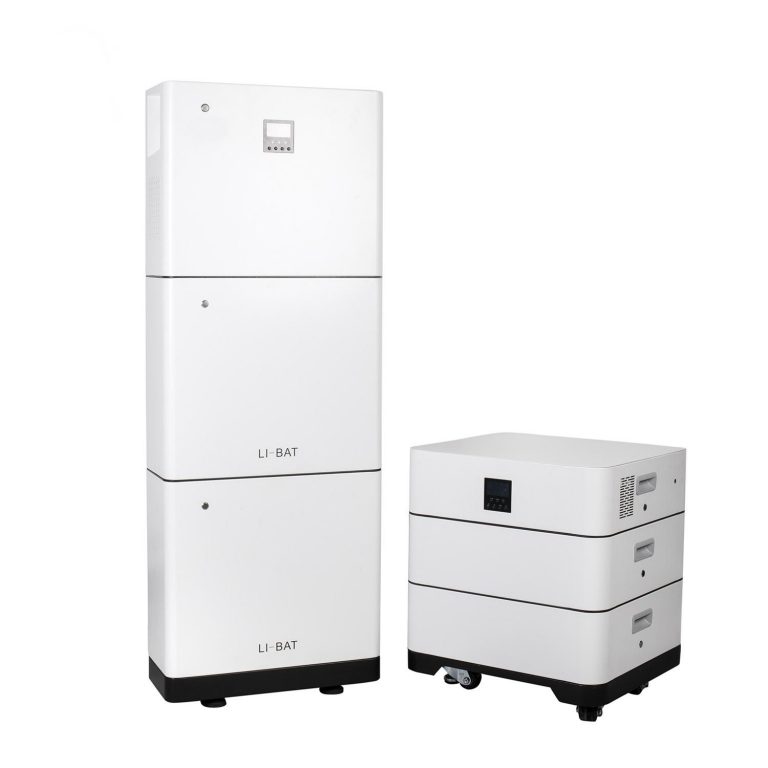
Yes – if you choose a modular system. Many modern batteries (including our stackable LiFePO₄ units) allow you to start small and add capacity as your needs grow. This is an excellent strategy for:
– Budget-conscious buyers who want to start now
– Homes planning future EV or heat pump installation
– Uncertain future electricity usage
Ensure your inverter can support the expanded capacity before you buy.
Q:”What if I don’t have solar panels yet?”
Batteries still make sense without solar – you can charge from the grid during cheap off-peak hours and use stored power during expensive peak hours. This is called tariff arbitrage.
Final Thoughts: There’s No Perfect Battery - Only the Right Battery for You
The 5kWh vs 10kWh vs 15kWh question isn’t about finding the “best” battery – it’s about finding the right fit for your home, your usage patterns, your electricity rates, and your goals.
A 5kWh system can be a fantastic investment for a small apartment or as a starter. A 10kWh system is the sweet spot for most suburban homes. And a 15kWh system gives you the headroom to handle high-demand appliances, EV charging, and multi-day outages.
Whichever size you choose, remember: buy once, size right, and leave room to grow.
Ready to find your perfect match? Contact our team for a free personalized sizing consultation, or browse our modular home battery collection here.
Send Your inquiry
We will get in touch in 2 business day.
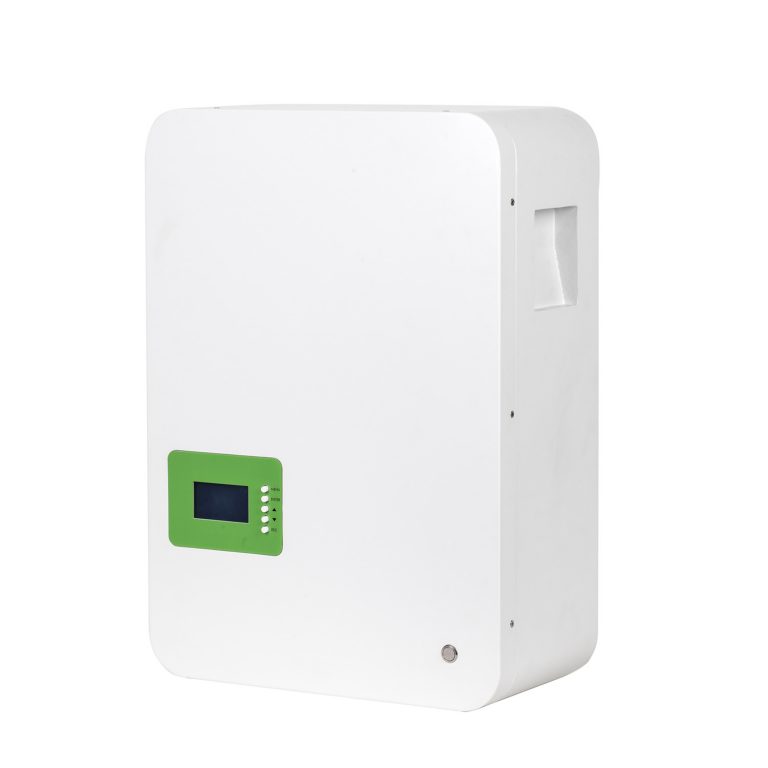
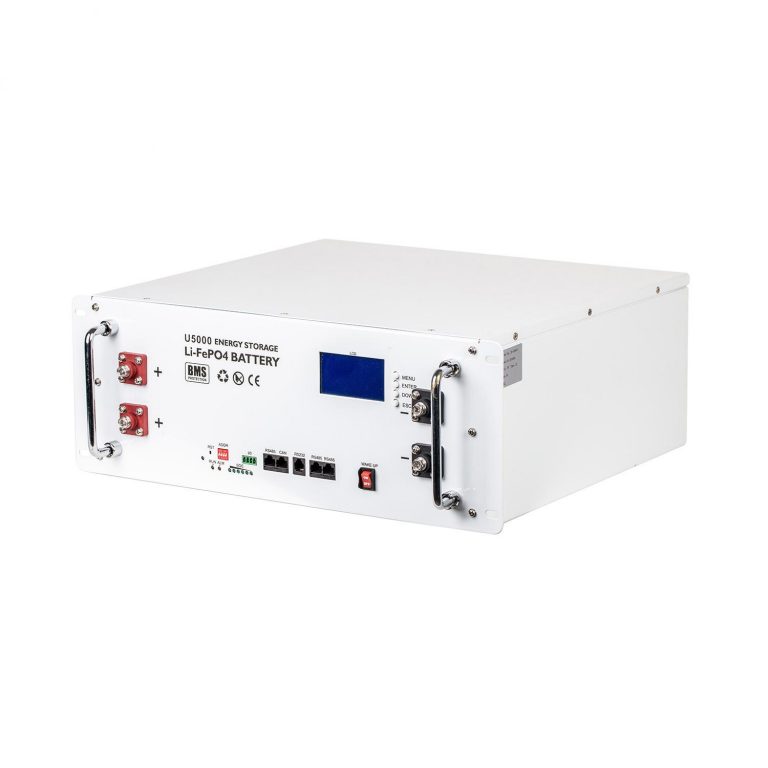
Top Qualtiy 5kwh 48V100ah Home Solar Energy Power System Wall Mounted Battery
LIPEP SERVICES
Customised Service
LIPEP has a wealth of experience and our technical team can provide you with a customised energy storage and solar system tailored to your needs.
Stable & Quick Supply
We have in-depth cooperation with manufacturers and can provide you with quality products quickly.
After-sales Service
We patiently listen to customers' needs and provide one-stop service from consultation, design to implementation and after-sales service.