The Ultimate Guide to Choosing Home Energy Storage Battery: How to choose your home energy storage battery
Why Your Home Needs an Energy Storage Battery
Picture this: a sudden power outage strikes. Are you worried about food spoiling in your refrigerator, your home office shutting down, or spending the evening in complete darkness? Or maybe you have solar panels but find yourself unable to use the excess energy they generate during the day once the sun goes down?
A home energy storage battery is the answer. More than just a backup plan for emergencies, it’s an intelligent energy manager that helps you get the most out of your solar investment and move closer to energy independence. But with so many options available, how do you pick the right one for your home?
This guide breaks down the essentials—from core technology to real-life needs—helping you make a confident, informed decision.
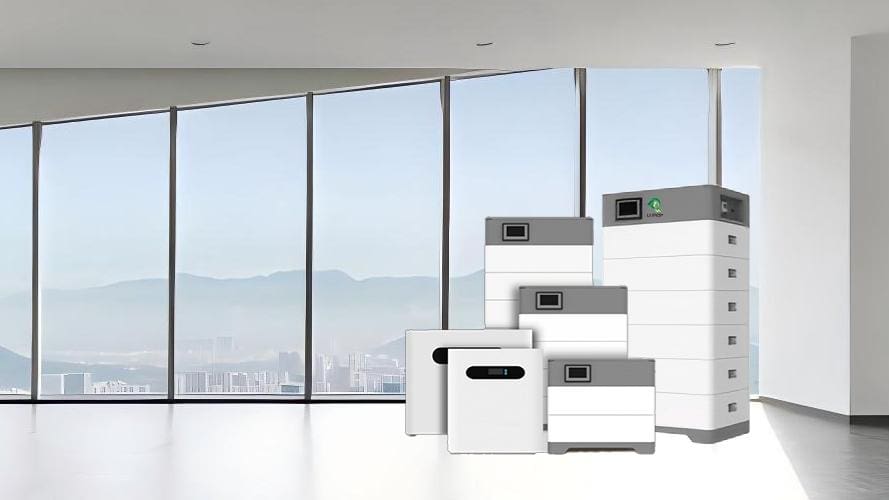
1. What Is a Home Energy Storage Battery?
A home energy storage battery is an integrated, smart energy system designed for residential use. It stores electricity so you can use it when you need it most.
Common use cases include:
– With solar panels: Store surplus solar energy generated during the day for use at night.
– Without solar: Charge the battery when electricity rates are low and use the stored energy during peak, high-rate hours—a strategy known as peak shaving.
2. Battery Cell Technology: The Heart of Your System
The type of battery cell used affects performance, safety, lifespan, and cost. Here are the most common options:
2.1 LFP (Lithium Iron Phosphate):
– High thermal stability, superior safety, and long cycle life (6,000+ cycles)
– Slightly lower energy density than NMC, but ideal for stationary home storage
– Our top recommendation for safety and durability
2.2 NMC (Nickel Manganese Cobalt):
– High energy density and strong power output
– Compact—good for space-sensitive installations
– Moderate cycle life and lower thermal stability than LFP
2.3 Lead-Acid:
– Low upfront cost, but heavy, short-lived, and poor cycle performance
– Largely outdated for modern home energy storage
Infographic: Battery Cell Technology Comparison
| Type | Energy Density | Cycle Life | Safety | Cost |
|---|---|---|---|---|
| NMC | High | ~3,000 cycles | Good | Medium-High |
| LFP | Medium | 6,000+ cycles | Excellent | Medium |
| Lead-Acid | Low | ~500 cycles | Fair | Low |
In a recent customer survey, over 80% of homeowners preferred LFP batteries—prioritizing long-term safety and performance over short-term savings.
3. Which Battery Form Factor Fits Your Home?
Different designs suit different homes and lifestyles. Choose based on your space, goals, and budget.
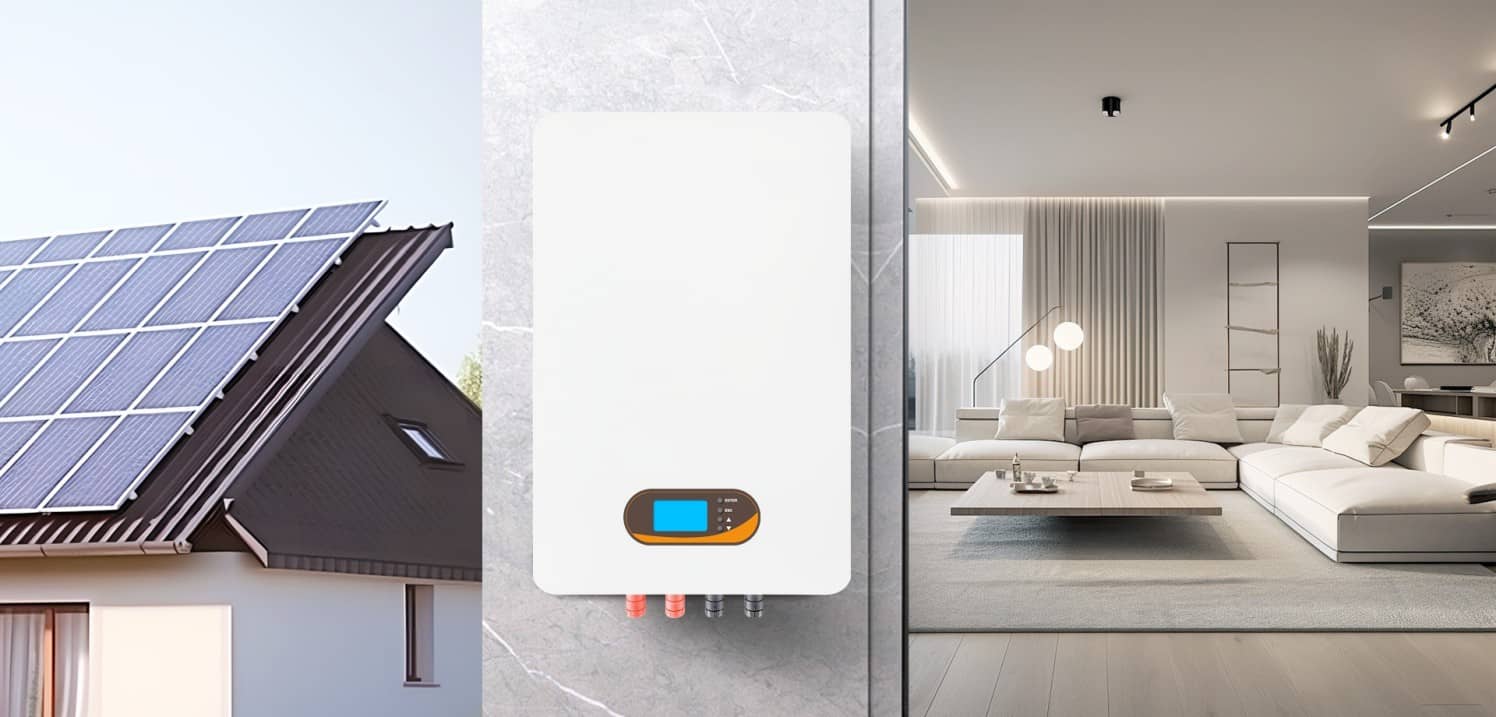
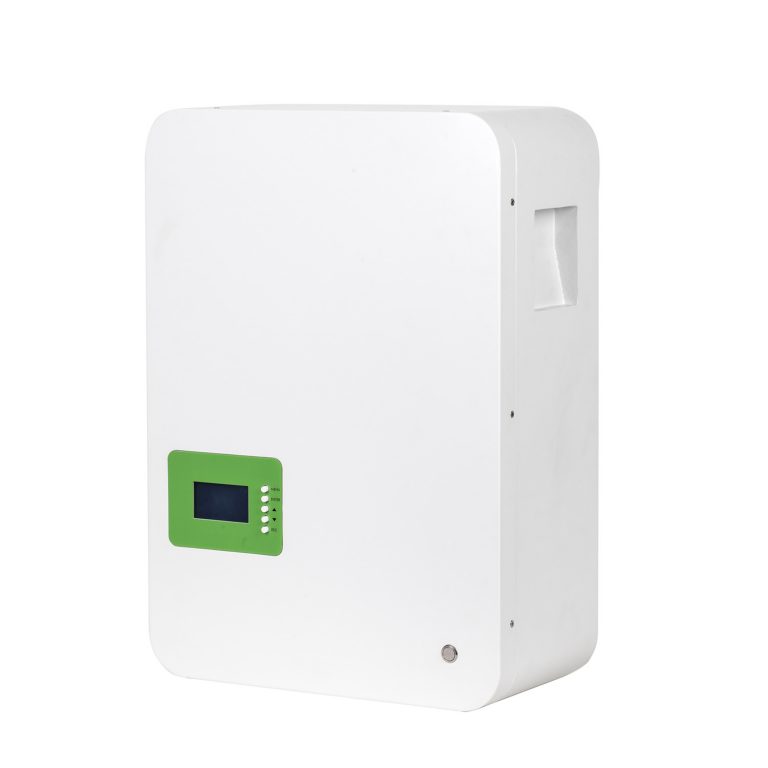
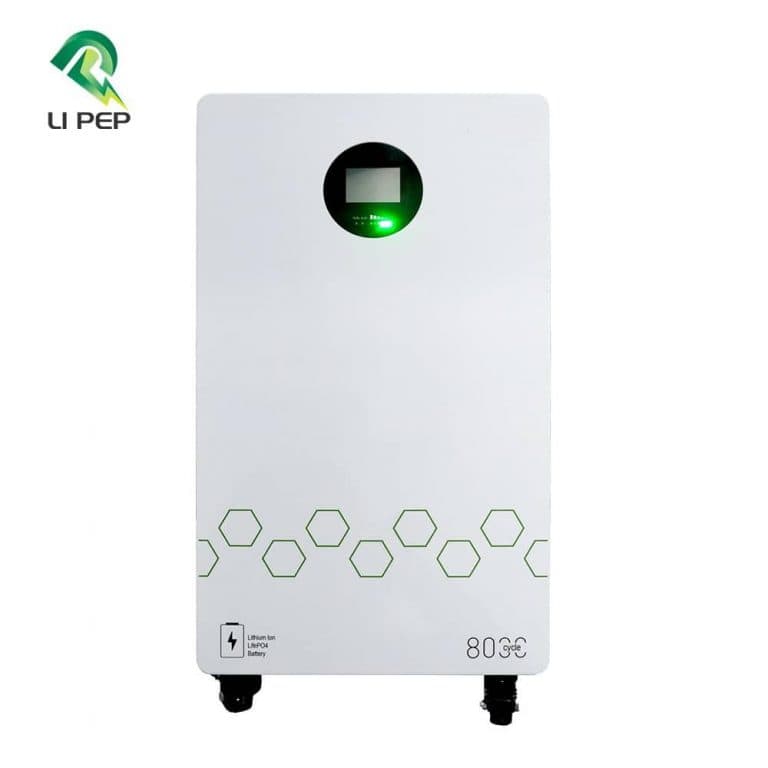
3.1 Wall-Mounted Energy Storage Battery
– Best for: Homes with limited space; clean, built-in look
– Typical Capacity: 5–20 kWh
– Popular in: Europe and Australia
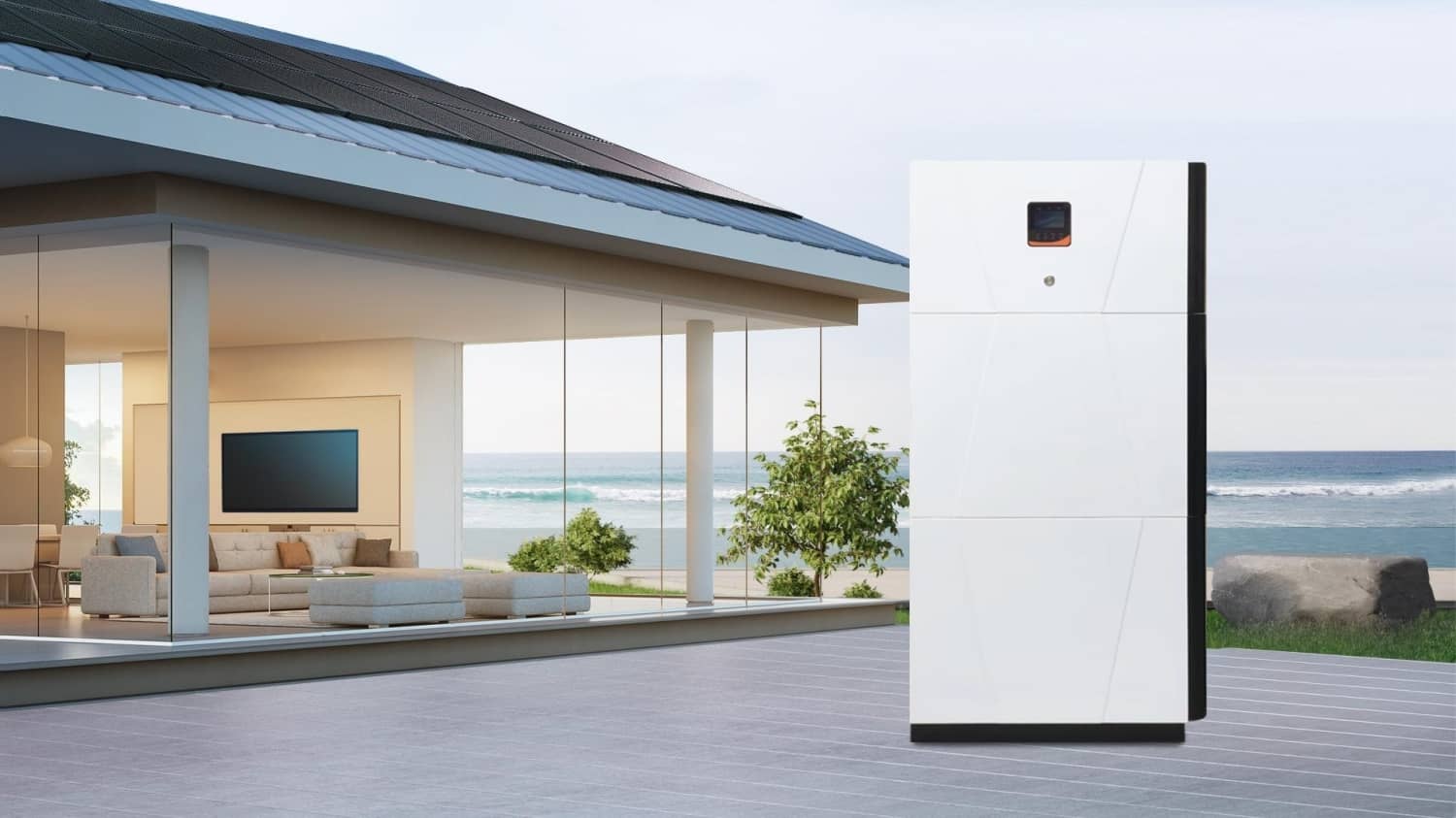
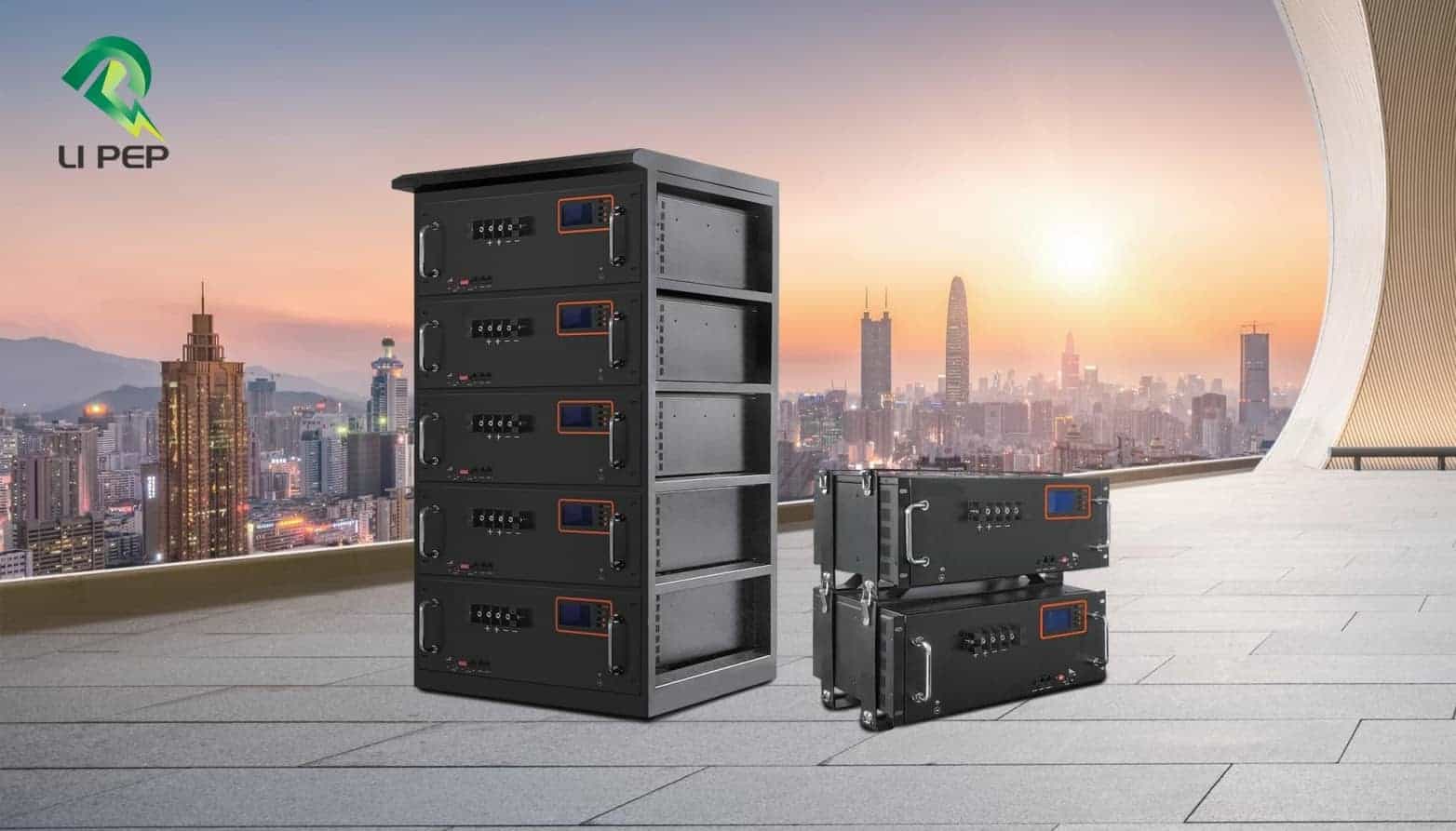
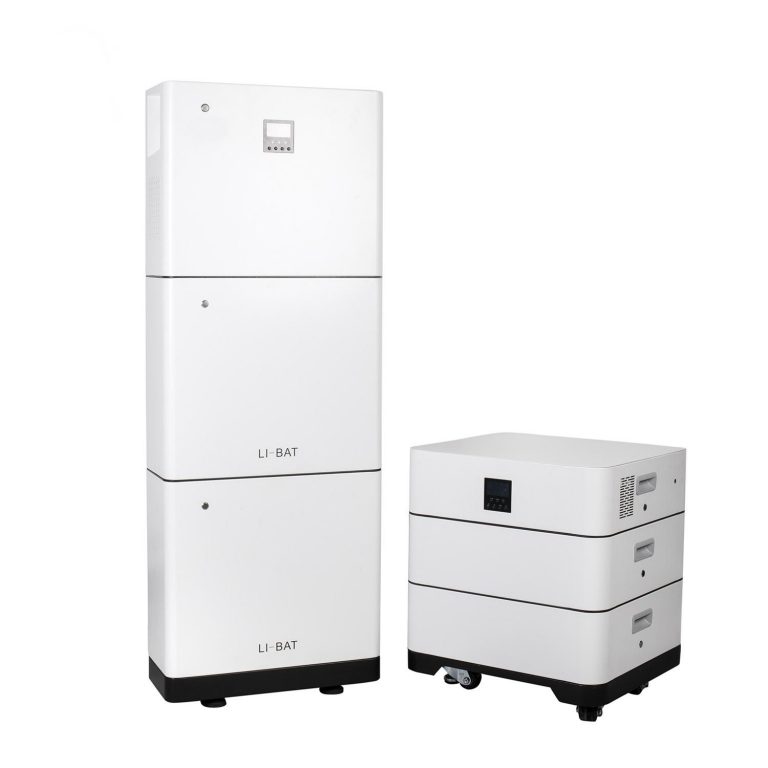
3.2 Stackable Energy Storage Battery
– Best for: Growing energy needs; modular flexibility
– Typical Capacity: Expandable from 2.5–5 kWh per module
– Great for: Future EV owners or home expansions
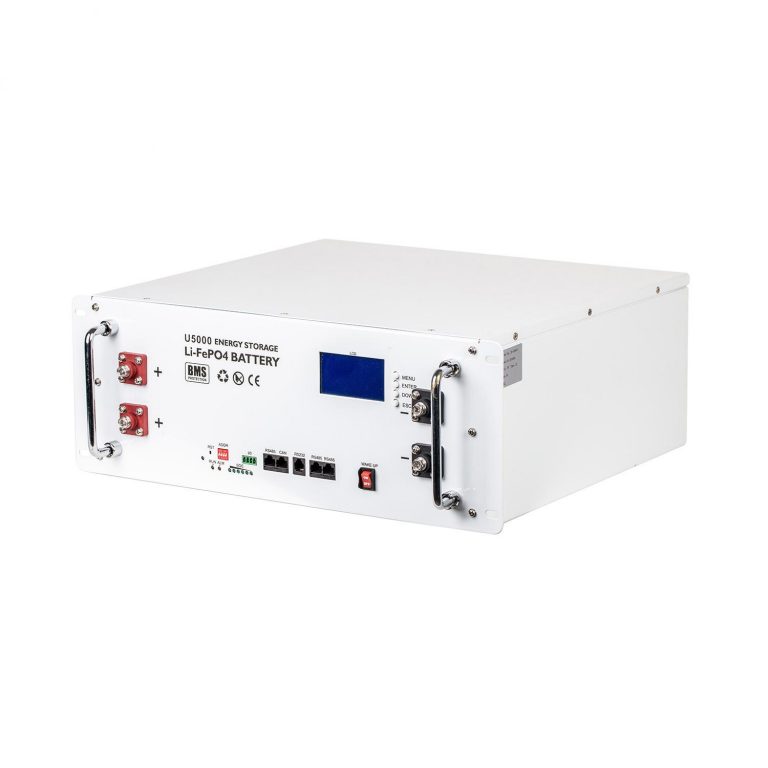
3.3 Cabinet/Rack-Mounted Energy Storage Battery
– Best for: Large homes or off-grid setups; high capacity & power
– Typical Capacity: 20–100+ kWh
– Ideal for: Villas, small businesses
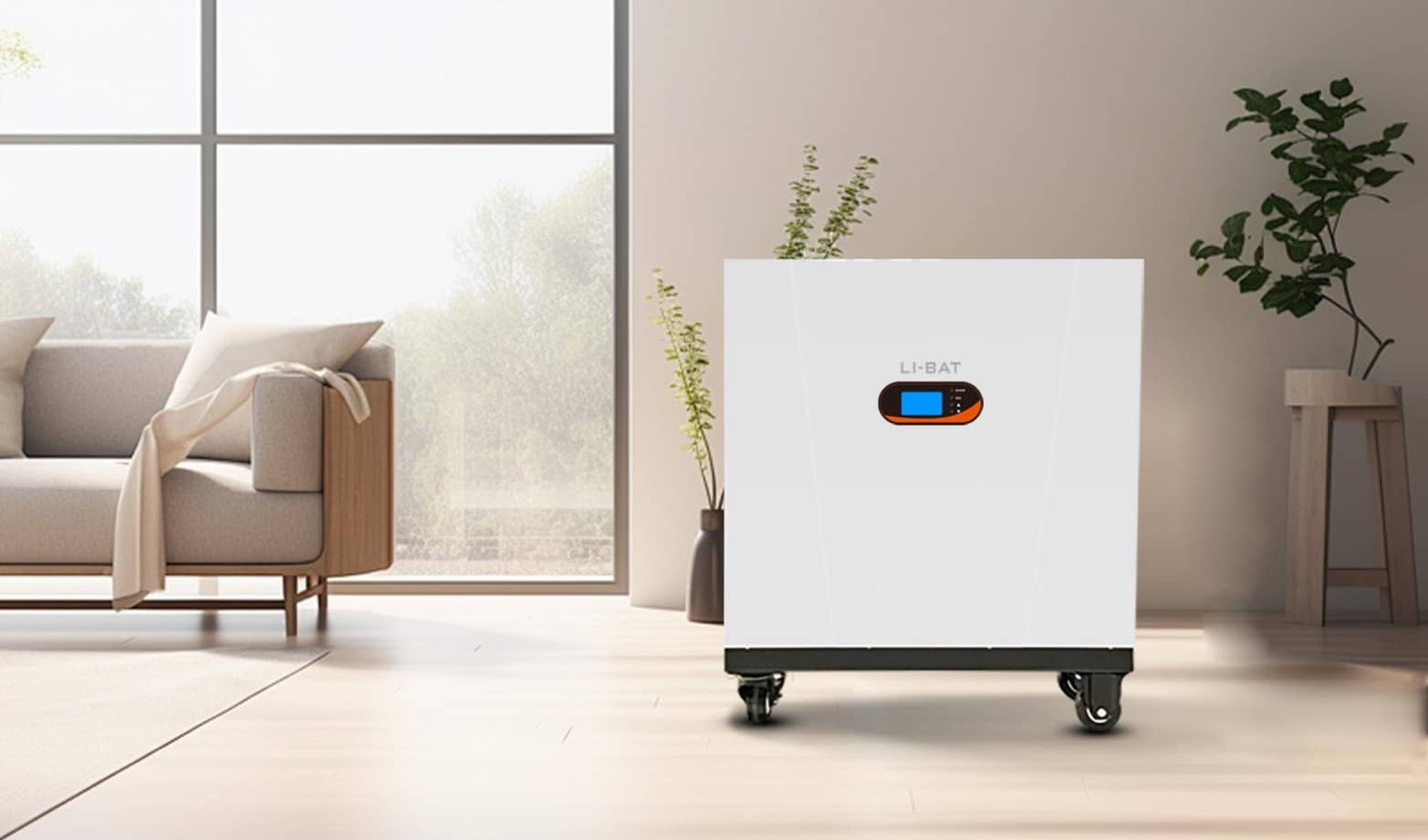
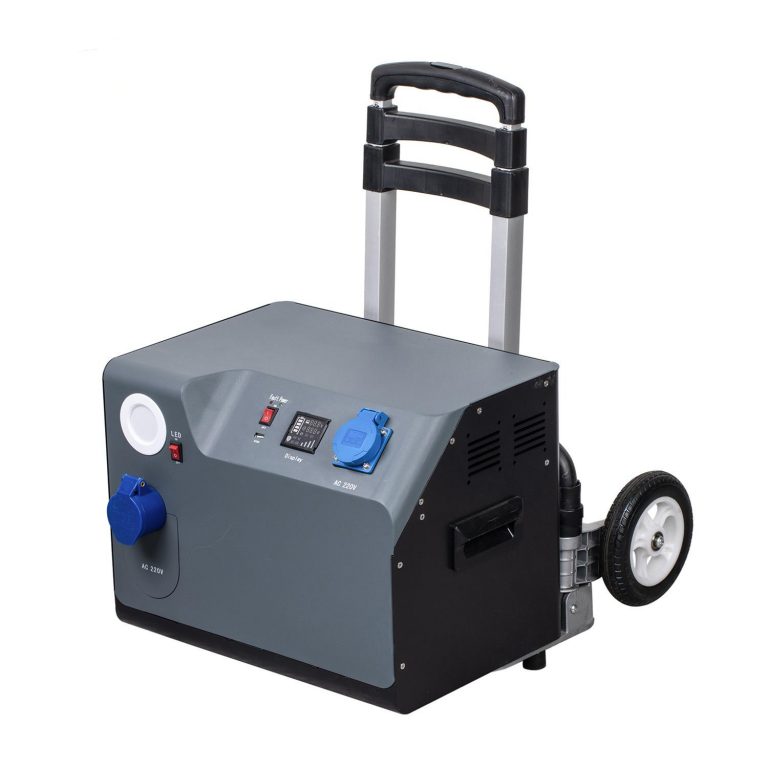
3.4 Wheeled Mobile Energy Storage Battery
– Best for: Portable power; garages, events, multi-room use
– Typical Capacity: 5–20 kWh
– No installation required
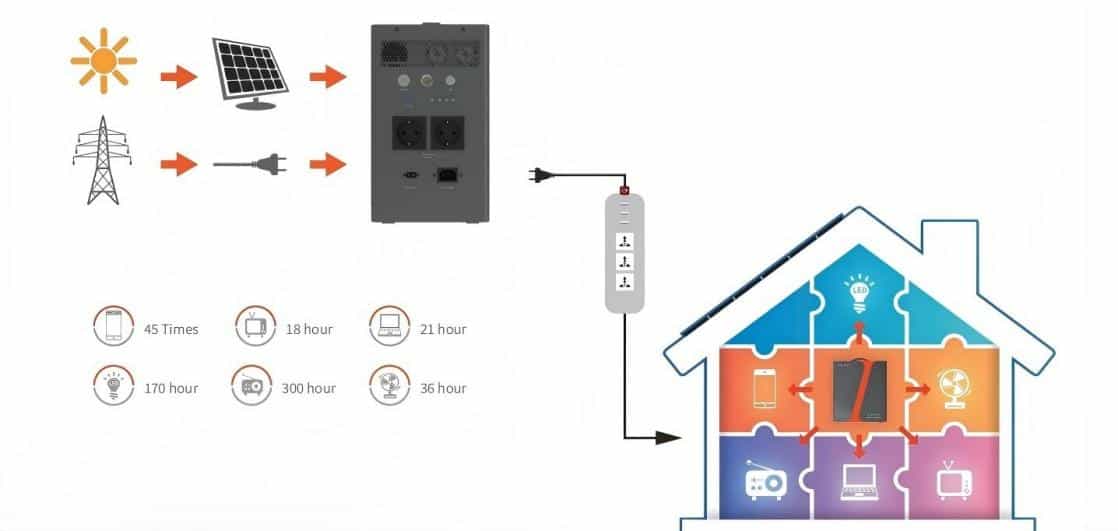
3.5 Outdoor Portable Power Station
– Best for: Camping, RVs, worksites; rugged & weather-resistant
– Typical Output: 3–5 kW
– Features: IP54 or similar rating
4. How to Select the Right Energy StorageBatteryfor Your Home
Follow these steps to find a battery that fits your energy profile and lifestyle.
4.1 Calculate Your Daily Energy Use
List your appliances—including their power (in kW) and hours of use—to estimate daily consumption. Don’t forget seasonal devices like air conditioners or heaters.
4.2 Decide How Long You Need Backup Power
Short outages may only require a small system. For frequent or long blackouts—or to power critical devices—choose a larger capacity. Most households start with 5–20 kWh.
4.3 Choose LFP Battery Chemistry
We strongly recommend LFP for its safety, longevity, and value over time.
4.4 Pick the Right Form Factor
– Tight on space? → Wall-Mounted Energy Storage Battery
– Planning to expand later? → Stackable Energy Storage Battery
– Need lots of power? → Cabinet/Rack-Mounted Energy Storage Battery
– Want mobility? → Wheeled Mobile Energy Storage Battery or Outdoor Portable Power Station
Case Study: A German Household
– Location: Munich
– System: 10 kW solar + 15 kWh stackable LFP battery
– Before: 30% self-consumption of solar energy; sold excess at low rates
– After: 85% self-consumption; monthly bill cut by ~65%
– Payback Period: 6–8 years
– Why Choose Stackable Energy Storage Battery?
The family plans to add an EV—so expanding will be easy.
Frequently Asked Questions
Q1: How long do home battery systems last?
A: A quality LFP system can last 20+ years, based on usage and cycle life.
Q2: Is a permit required for installation?
A: Often yes—especially for grid-tied systems. Your installer can usually handle this.
Q3: Will it work during a blackout?
A: Yes. Most systems switch to backup power in milliseconds—seamlessly.
Q4: Do I need solar panels to use a battery?
A: No. You can still use time-of-use rates to save. But pairing with solar maximizes savings and sustainability.
Why Choose LIPEP?
LIPEP home batteries use high-quality LFP cells, supporting 6,000+ cycles and built-in protection (overcharge, over-discharge, short circuit). They are internationally certified (including UL) and compatible with most solar systems.
We specialize in smart, safe, and scalable energy storage for households worldwide—offering end-to-end support from planning to after-sales service.
Ready to find your ideal home battery?
Get a free, personalized consultation today!
Send Your inquiry
We will get in touch in 2 business day.
LIPEP SERVICES
Customised Service
LIPEP has a wealth of experience and our technical team can provide you with a customised energy storage and solar system tailored to your needs.
Stable & Quick Supply
We have in-depth cooperation with manufacturers and can provide you with quality products quickly.
After-sales Service
We patiently listen to customers' needs and provide one-stop service from consultation, design to implementation and after-sales service.