
How Should Today’s Energy Consumers Decide On The Optimal Purchase Timing?
As a company in solar energy storage system exports, we receive this question daily: “Is now the right time to invest in solar and storage?” Rather than giving a simple sales pitch, we’ll break down the decision with data and real-world insights.
1. Market Reality: Prices and Technology Trends
1.1 Solar PV Module Prices
Over the past decade, solar module costs have fallen nearly 90%, but the decline is slowing. Between 2022 and 2025, international market data shows a drop of only 3–5%—a stark contrast to the double-digit annual decreases of earlier years. With stabilized supply chains, dramatic price reductions are becoming unlikely.
1.2 Energy Storage Battery Maturity
Lithium-ion battery technology has entered a plateau. Annual energy density improvements have slowed from 10–15% to just 3–5%. Waiting for a breakthrough technology may take much longer than many expect.
1.3 What Real Users Say
We surveyed 500 households across Europe, Australia, and Southeast Asia with installed solar and storage systems:
– 68% said they “regret not installing earlier,” citing major savings on energy bills.
– 42% admitted they “waited over 2 years before deciding.”
– Payback periods averaged 4.7 years in high-sunlight regions and 7.2 years in moderate-sunlight areas.
2. Regional Considerations
– Europe: High energy prices shorten payback to 3–5 years, while subsidies are gradually being phased out.
– Australia: Excellent solar conditions allow high self-consumption, drastically reducing grid dependence.
– Southeast Asia: Unstable grids drive storage demand; the value of backup power during outages often outweighs pure financial calculations.
3. Will Prices Fall Further? A Forecast
– Solar PV Modules: Prices are expected to remain stable with minor fluctuations, closely tied to raw material costs given today’s high manufacturing efficiency.
– Energy Storage Batteries: Lithium-ion prices are stabilizing. Significant reductions would require next-generation batteries (e.g., solid-state) to reach mass commercialization.
– Inverters & BMS: Increased technological integration may lower overall system costs by 5–8%.
4. Should You Buy Now or Wait?
Buy Now If You Are:
- In a region with high electricity prices (over $0.25/kWh)
- An existing solar owner without storage (missing out on 30–50% of potential self-consumption)
- Experiencing frequent grid outages (more than twice monthly)
- Planning to buy an electric vehicle (strong synergy with solar + storage)
- Eligible for expiring subsidies or tax incentives
- A business aiming to cut carbon emissions and meet sustainability goals
Consider Waiting If You:
- Are a tech enthusiast holding out for specific breakthroughs (e.g., commercial solid-state batteries)
- Have very low electricity costs and a stable grid (payback >10 years)
3. Face financing constraints where waiting costs less than borrowing to buy now
5. Case Study: Southeast Asian Island Resort
Background: A resort dependent on diesel generation, paying $0.45/kWh with daily power disruptions.
Timeline: Evaluated in 2023, installed in 2025
System: 200 kW solar + 500 kWh storage
Payback: 3 years (factoring in diesel savings and operational reliability)
Lesson: During the two-year wait, the resort spent about $125,000 extra on energy—far more than any potential system price drop.
6. How to Decide: A 5-Step Framework
Step 1: Calculate Current Energy Costs
– Review 12 months of electricity bills
– Analyze usage patterns (day vs. night)
– Project local electricity price trends
Step 2: Assess Local Conditions
– Annual sunlight hours
– Available installation space
– Local incentives and feed-in tariffs
Step 3: Define Your Needs
– Primary goals: saving money, backup power, reducing carbon footprint
– Backup requirements: critical loads and required runtime
– Future plans: EV purchase, home expansion
Step 4: Run the Numbers
Simple formula: Payback Period = Total System Cost ÷ Annual Savings
Include: electricity price inflation, maintenance, and system degradation
Step 5: Evaluate Your Risk Tolerance
– Maximum acceptable payback period?
– Concern about technology becoming outdated?
– Opportunity cost of your capital?
People Also Ask
Q: How long do solar panels last?
Most carry a 25–30 year warranty, often outliving it. Storage batteries typically last 10–15 years, depending on usage.
Q: Is maintenance expensive?
Solar panels need only occasional cleaning. Modern storage systems include remote monitoring, minimizing onsite maintenance.
Q: Do systems work on cloudy days?
Yes, though at reduced output (10–30% of rated capacity). With storage, you can maintain continuous power.
Q: When do batteries need replacement?
Under daily use, lithium-ion batteries usually retain 80% capacity after 10 years.
Our Perspective: It’s More Than Hardware, A successful installation depends on:
- System Design: Tailored to local climate and consumption patterns
- Scalability: Room for future expansion
- Service & Support: Reliable technical assistance post-installation
- User Experience: Intuitive monitoring software
Conclusion: A Personal Choice, Not a Universal Answer
For most users in high-cost, sunny, or unreliable-grid areas, buying now makes sense. Current technology is mature and delivers clear returns.
Waiting can be reasonable in specific cases, but beware the “perfect solution trap”—technology never stops evolving, and the “ideal time” might never come.
Our advice: If you meet at least two of the “buy now” criteria and your payback is under 6 years, moving forward is likely a smart choice. If not, set clear triggers (e.g., “when prices drop 15%” or “when solid-state batteries launch”) rather than waiting indefinitely.
This analysis is based on ongoing global market tracking and customer case studies. Each project is unique—we recommend a professional assessment for your situation. As a systems provider, we offer free pre-sales consultations to help identify the right timing and configuration for your needs.
Send Your inquiry
We will get in touch in 2 business day.
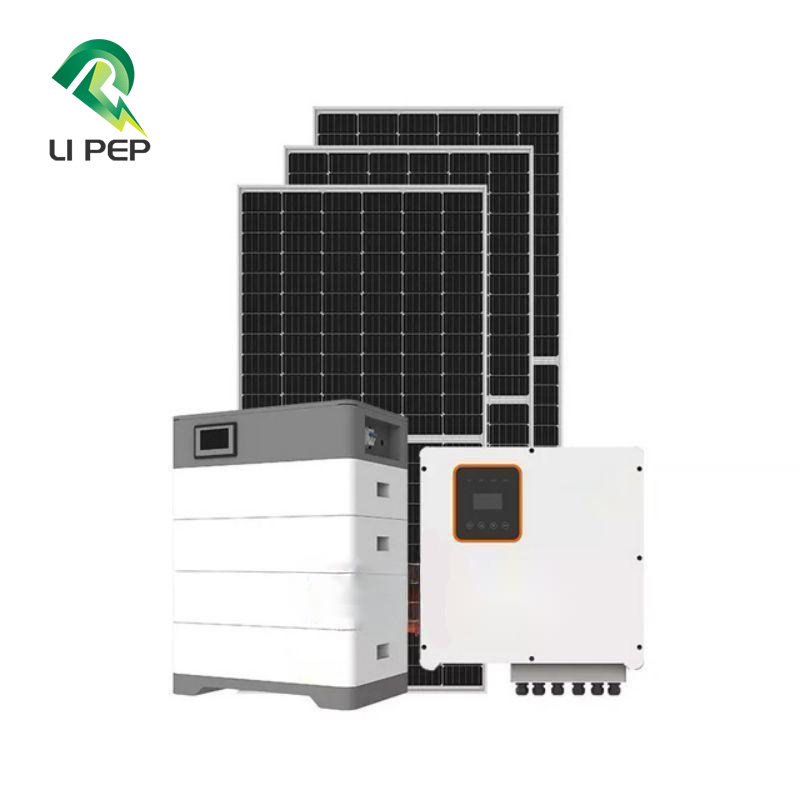
10kw/20kw/30kw Solar Power System With High Quality Solar Panel & Storage Battery & Inverter
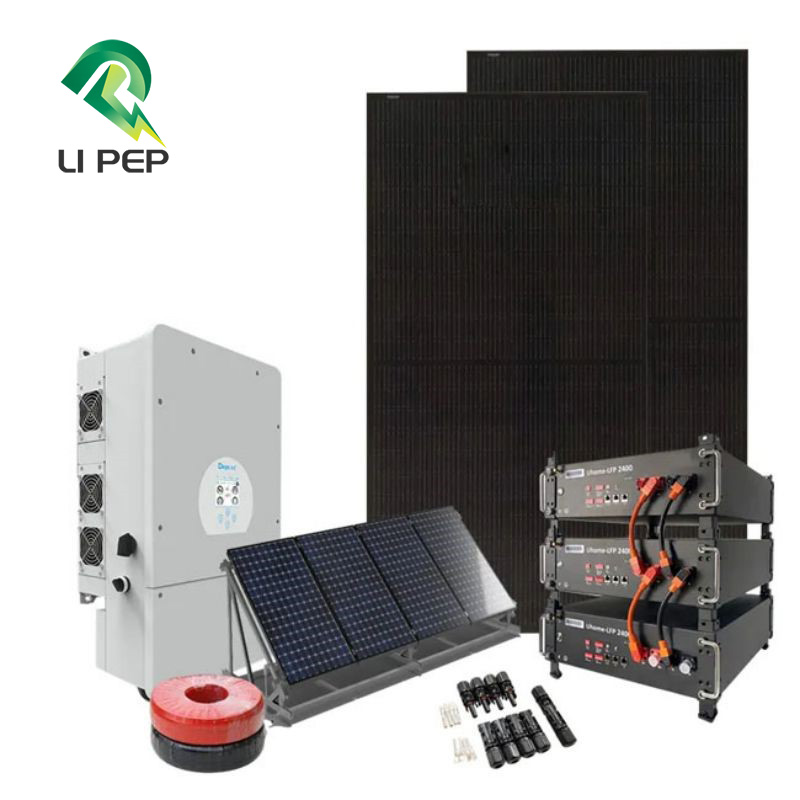
Cutomized 100kw/200kw Solar Power System With High Quality Solar Panel & Energy Storage System
LIPEP SERVICES
Customised Service
LIPEP has a wealth of experience and our technical team can provide you with a customised energy storage and solar system tailored to your needs.
Stable & Quick Supply
We have in-depth cooperation with manufacturers and can provide you with quality products quickly.
After-sales Service
We patiently listen to customers' needs and provide one-stop service from consultation, design to implementation and after-sales service.