Build Off-Grid/Micro grid Systems from Scratch
For private villa and off-island owners, energy independence isn’t just about ditching the public grid—it’s about taking full control of your lifestyle, asset value, and environmental footprint. This guide turns your energy autonomy vision into reality with a clear road map from planning to execution.
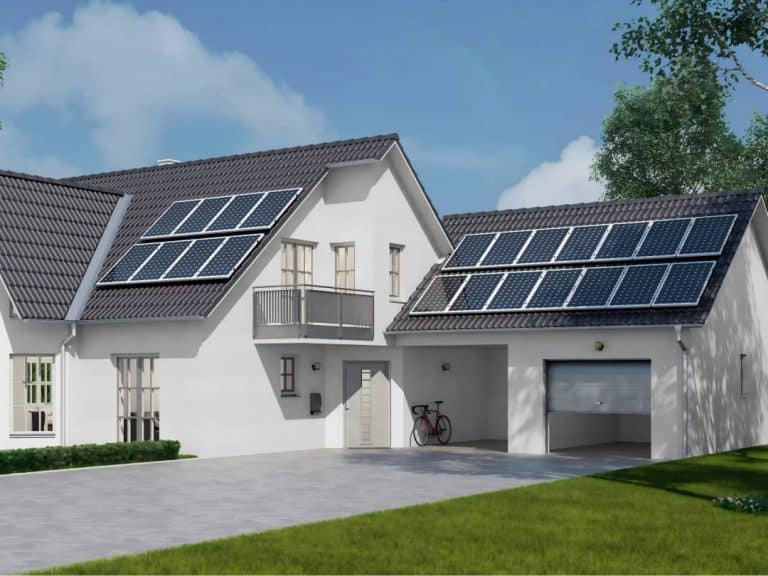
Our research with 200+ global private manor and off-island owners reveals their energy needs go beyond basic power supply, falling into 4 key categories:
| Priority Level | Core Need | Typical Scenarios |
|---|---|---|
| Basic Security & Peace of Mind | Uninterrupted power during extreme weather or grid outages | Hurricane-prone islands, remote mountain manors |
| Sustainability & Seclusion | Zero carbon footprint, low environmental impact, self-sufficiency | Eco-reserve islands, high-end resort manors |
| Long-Term Cost Efficiency | Avoid electricity price hikes, cut lifelong energy costs | High-cost regions (European islands, Australian outback) |
| Asset Appreciation | Boost property intelligence and resilience for the future | Future-proof homes that add value for the next generation |
Off-Grid vs. Micro grid: Which to Choose?
First, master the two core models:
- Off-grid systems: Fully independent of the public grid, ideal for remote areas with no grid access or unstable power supply.
- Grid-tied microgrids: Connected to the public grid but operable standalone. They enable two-way power flow—draw from the grid when needed, sell surplus power when generating more, and switch to standalone mode in milliseconds during outages for seamless power supply.
Key Tip: If grid access is available, a grid-tied microgrid is the more flexible and cost-effective option.
Step 1: Custom System Design
Success starts with understanding your exact energy needs. Below are 3 simple formulas to design your system quantitatively:
1.PV Module Capacity Calculation
Peak module power (Wp) = (Daily power consumption × Rainy day surplus factor) ÷ (System efficiency × Local average daily peak sunshine hours)
Key Factor: Rainy day surplus factor (1.2-1.5) to reserve power for consecutive rainy days.
2.Battery Capacity Calculation
Battery capacity (kWh) = (Daily power consumption × Backup days) ÷ (Depth of discharge × System conversion efficiency)
Key Factor: Backup days (3-7 days recommended for islands) – how long the system runs without charging.
3.Inverter Power Determination
Inverter rated power must exceed the total power of all simultaneous loads. Note: Inductive loads (AC, water pumps) need 3-5x more power at startup.
Step 2: Key Equipment Selection
Energy Storage Batteries: The System Core
- Type: Lithium iron phosphate (LFP) batteries are mainstream—safe, long-lasting (6,000+ cycles). Lead-acid batteries are cheaper upfront but short-lived.
- Cost: $15,000-$45,000 for a household-sized off-grid battery system (varies by capacity and brand).
- Value Tip: Focus on lifetime levelized cost of electricity (LCOE, $/kWh)instead of upfront price—it includes lifespan, efficiency, and degradation, reflecting true value.
Inverters & Energy Management Systems (EMS)
- Inverters: Choose all-in-one inverter-chargers with pure sine wave output to protect precision devices (integrates solar charging and inversion).
- EMS: The system’s “brain”. Advanced EMS optimizes charging/discharging based on weather and usage habits, pre-stores power before rain, and maximizes self-consumption of solar energy.
Step 3: Local Solutions for Special Challenges
Prolonged Rainy Weather
Solve with hybrid energy systems for islands and mountains:
- Solar-wind hybrid: Add small wind turbines in wind-stable areas.
- Backup generators: Use diesel/biodiesel generators as a last resort (auto start-stop via smart systems, minimal operation).
- Smart load management: Auto-shut non-essential loads, prioritize fridges, security, and communication.
High Salt Spray & Humidity (Coastal Areas)
- Choose PV brackets and electrical enclosures with C5 corrosion resistance.
- Use high-waterproof outdoor connectors.
Install core equipment (batteries) indoors with controlled temperature/humidity.
Step 4: Implementation & Cost-Benefit
Professional Implementation Process
Follow this reliable workflow: Assessment → Design → Equipment Supervision & Installation → Commissioning → Maintenance Training. Strict commissioning ensures all parts work in harmony.
Economic Benefits
- ROI: High initial investment, but locks in energy costs permanently. Payback period: 6-8 years for viable projects (4-6 years for high diesel-cost islands, $0.5+/kWh).
Asset Value: A well-designed system boosts property value, risk resistance, and market appeal.
FAQ: Common Questions Answered
Q: Can off-grid systems power AC and heating?
A: Yes—with precise design. Calculate total appliance power and daily consumption, then match PV/battery capacity. For high-power heating (electric floor heating), pair with solar thermal systems for efficiency.
Q: Will the system work during long rain? No outages?
A: Yes—with backup days design, generators, and smart load management. Well-designed systems power critical loads for weeks in extreme weather.
Q: Are lithium batteries safe? How to choose?
A: LFP lithium batteries are safe (high thermal stability, long life). Choose products with quality BMS, and ensure professional installation/ventilation.
Q: What’s the payback period?
A: Varies by local energy costs—4-6 years for high-cost islands, 6-8 years for general areas. Lifelong cost is far lower than buying high-priced grid power.
Action Steps to Get Started
- Self-Audit: Track 1-year electricity/diesel usage, list appliances and their run time.
- Data Collection: Gather local annual solar irradiation data.
- Consult Experts: Work with off-grid/microgrid specialists (e.g., LIPEP) for on-site surveys and detailed proposals (power generation simulation, equipment list, ROI).
- Phase Implementation: Start with a basic system, expand modularly as needed.
Energy independence transforms you from an energy consumer to an energy manager. It brings cost savings, peace of mind, autonomy, and a sustainable lifestyle—while boosting your property’s value for the future.
Send Your inquiry
We will get in touch in 2 business day.
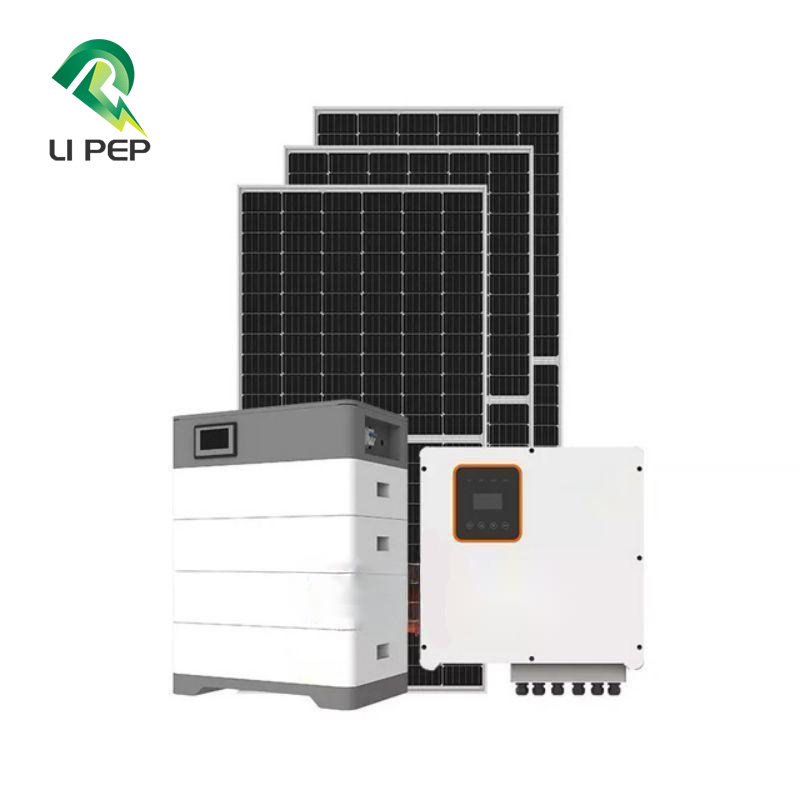
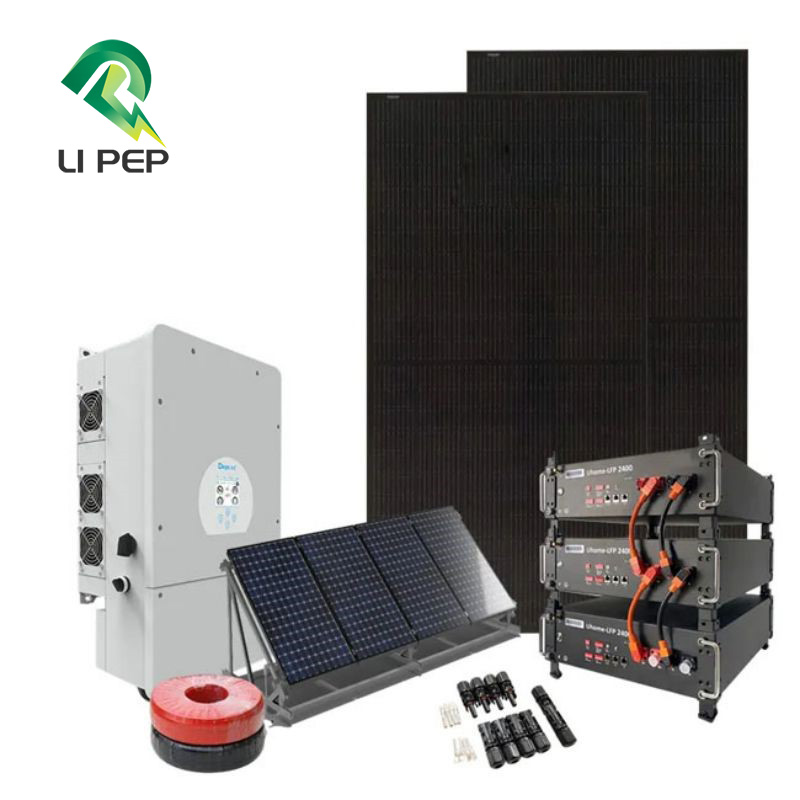
10kw/20kw/30kw Solar Power System With High Quality Solar Panel & Storage Battery & Inverter
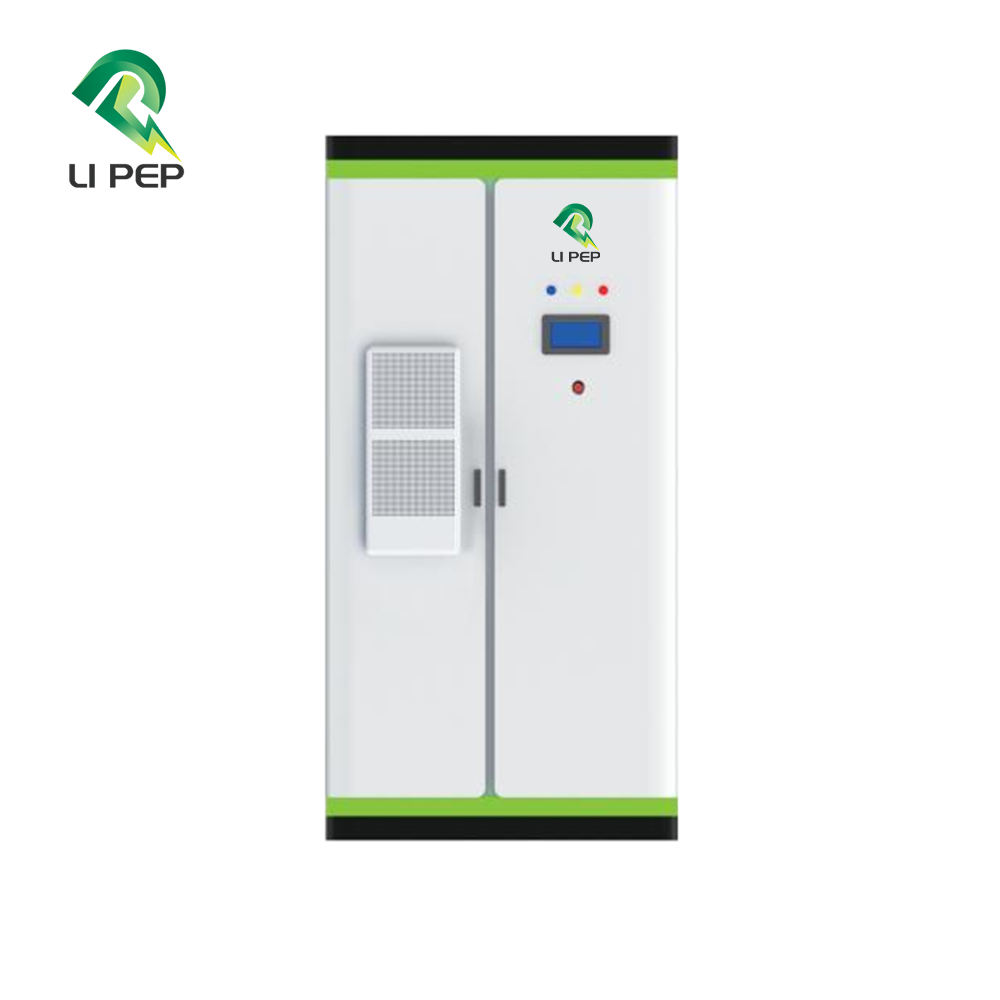
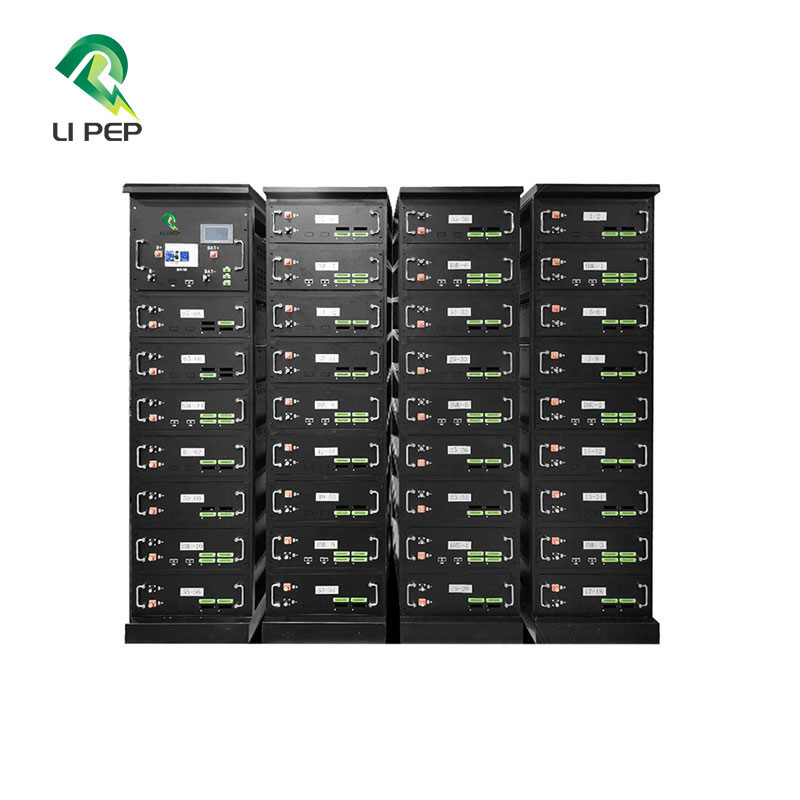
Cutomized 100kw/200kw Solar Power System With High Quality Solar Panel & Energy Storage System
LIPEP SERVICES
Customised Service
LIPEP has a wealth of experience and our technical team can provide you with a customised energy storage and solar system tailored to your needs.
Stable & Quick Supply
We have in-depth cooperation with manufacturers and can provide you with quality products quickly.
After-sales Service
We patiently listen to customers' needs and provide one-stop service from consultation, design to implementation and after-sales service.