Why the Cell Inside Your Home Battery Matters More Than You Think
You’ve probably been there. The power goes out, and you check your solar battery app – only to realize you’ve got about two hours of runtime left. Or worse, you start researching home batteries and find yourself buried in alphabet soup: LFP, NMC, CATL, BYD, EVE, cycle life, depth of discharge, thermal runaway.
The lithium cells inside your battery matter just as much as the overall system. The chemistry, the manufacturer, and even the grade of cells determine how long your battery lasts, how safely it sits in your garage, and how much you’ll pay for electricity over the next decade.
This guide breaks down the major lithium cell technologies, the top manufacturers powering today’s home batteries, and the hidden factors that determine whether your system will thrive or fail five years from now.
1. Why Understanding Battery Cells Is Essential for Homeowners
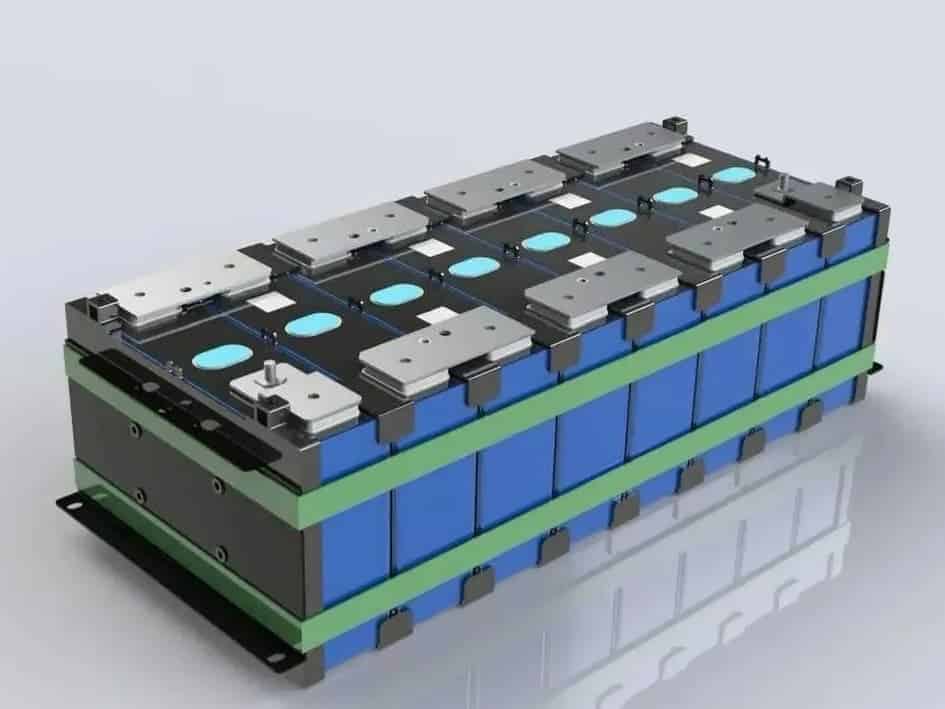
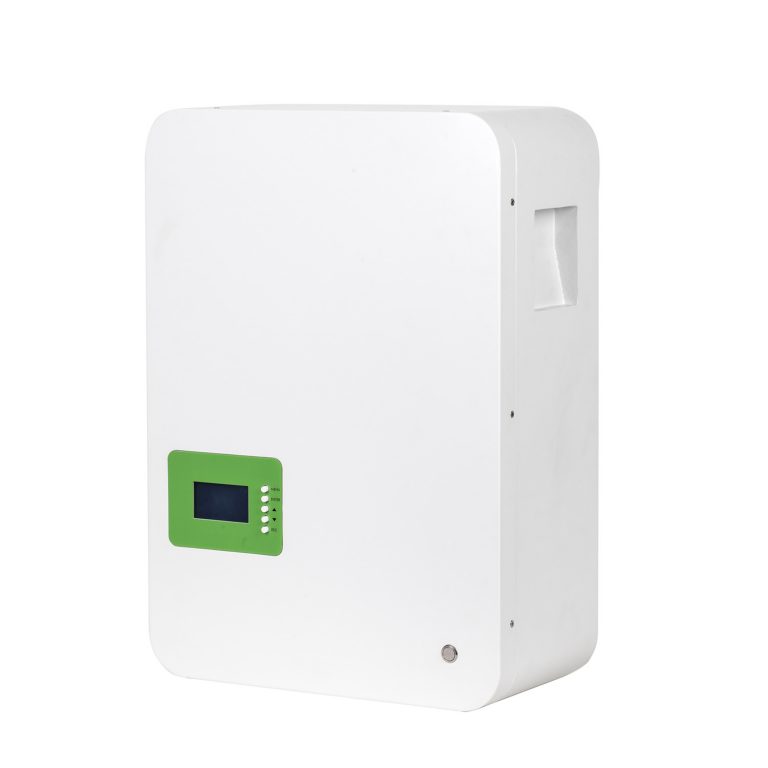
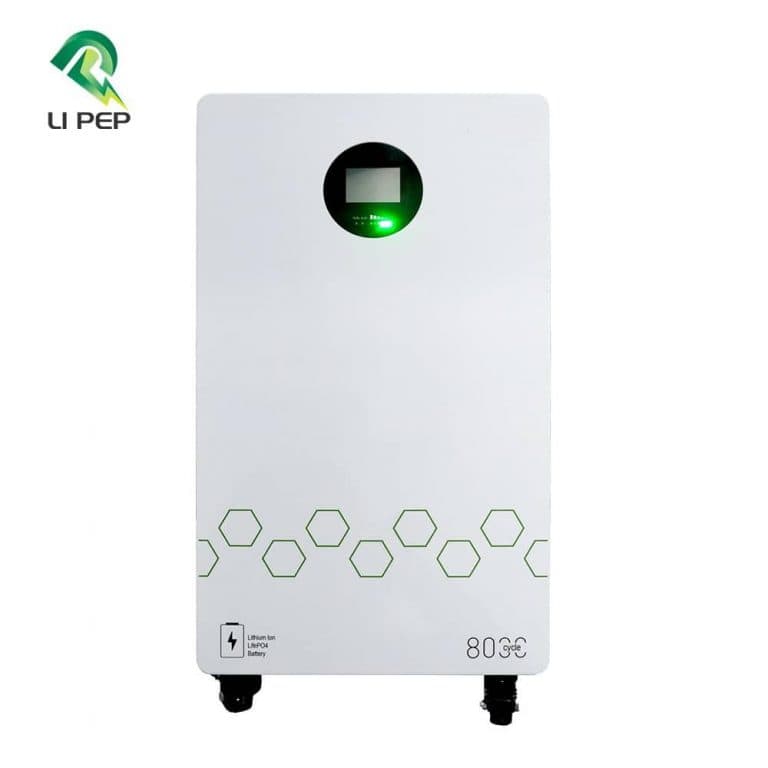
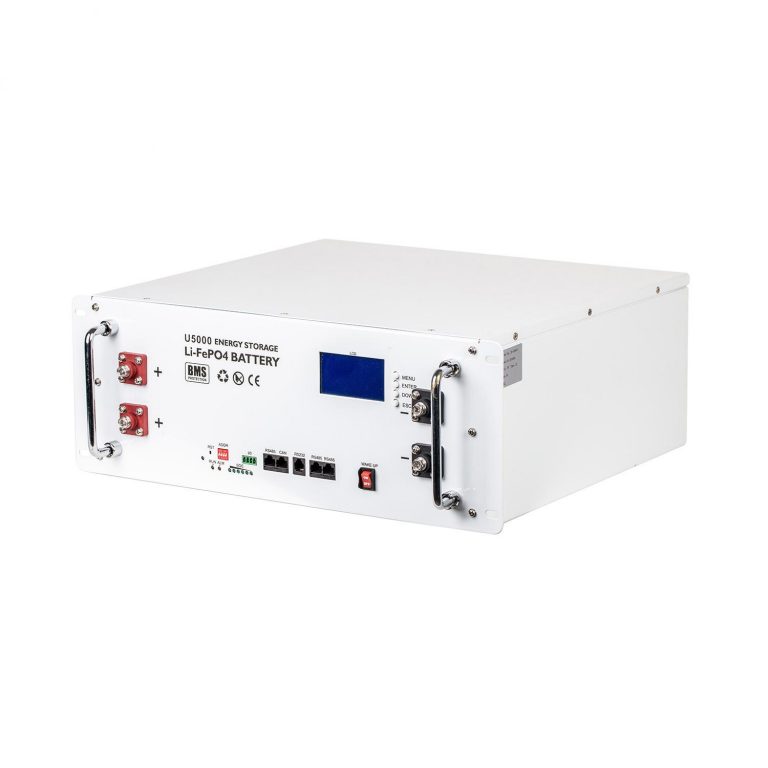
Before we dive into brands and specs, let’s clarify something important. A home battery system is more than just a box on your wall. Inside that enclosure, you’ll find hundreds of individual lithium cells, a Battery Management System (BMS), cooling components, and safety circuitry.
The cells are the heart of the system. They store the actual energy. The BMS ensures they operate within safe limits. Inverters control the flow of power between your solar panels, the grid, and your home.
When you buy a home battery, you’re effectively buying three things:
Cells (the energy storage medium)
Electronics & software (the brain)
Installation & warranty (the peace of mind)
Most consumers focus on the brand name on the box. But many of those brands don’t manufacture their own cells – they buy cells from specialized manufacturers like CATL, EVE Energy, or BYD. Understanding who makes the cells inside your battery gives you a much clearer picture of quality, longevity, and safety.
2. Why LFP Has Become the Dominant Choice for Home Storage
For residential applications, LFP has decisively overtaken NMC – and with good reason. Here’s what that means for you as a homeowner:
Safety is the first advantage. LFP cells are inherently more thermally stable than NMC. When an LFP cell is overheated, overcharged, or damaged, it resists thermal runaway – the chain reaction that can lead to fire. NMC cells, by contrast, can release oxygen when overheated, which can intensify a fire significantly.
Longevity saves money in the long run. An LFP battery can typically deliver 3,000–6,000 cycles before dropping to 80% of original capacity. If you cycle your battery once per day, that’s roughly 8 to 16 years of daily use. An NMC battery, with its 1,000–2,000 cycles, would last about 3 to 5 years under the same conditions.
The only real drawback: weight and size. LFP has lower energy density, meaning an LFP battery needs to be larger and heavier to store the same amount of energy as an NMC battery. For a stationary home storage system, that’s rarely a deal breaker.
3. Top Lithium Cell Brands Powering 2026’s Home Batteries
Not all cells are created equal, even when they share the same LFP chemistry. Cell quality depends on manufacturing consistency, material purity, quality control, and the sophistication of the BMS that manages them.
The Dominant Players: Market Share & Rankings
The global lithium battery market is heavily concentrated in Chinese manufacturers, who dominate both raw material processing and cell production. Here’s how the leaders stack up as of March 2026:
| Rank | Manufacturer | March 2026 Market Share | Notable Strength |
|---|---|---|---|
| 1 | CATL | 45.54% | Absolute market leader; supplies Tesla, BMW, VW |
| 2 | BYD | 17.83% | Vertically integrated; builds its own vehicles and batteries |
| 3 | CALB | 6.23% | Strong presence in both EV and stationary storage |
| 4 | Gotion High-tech | 5.97% | Growing rapidly, backed by Volkswagen |
| 5 | EVE Energy | 4.86% | Key player in large-format LFP cells for BESS |
CATL (Contemporary Amperex Technology Co., Limited.)
Market Position: 1 Global Battery Manufacturer (45.54% share as of March 2026)
CATL is the undisputed giant of the lithium battery world. In March 2026 alone, CATL’s domestic power battery installations reached 25.71 GWh.
For homeowners, CATL-powered batteries mean you’re getting cells from the most experienced, highest-volume manufacturer on the planet. The company’s massive R&D budget and manufacturing scale translate into consistent quality.
BYD
Market Position: 2 Global Battery Manufacturer (17.83% share as of March 2026)
BYD is unique: they’re both a major battery manufacturer and one of the world’s largest electric vehicle and energy storage companies. Their Blade Battery – a cell-to-pack LFP design – has gained widespread recognition for safety.
EVE Energy
Market Position: 5 Overall / Major Player in Large-Format LFP Cells
EVE Energy is rapidly emerging as a key supplier for stationary energy storage, particularly in the 587Ah+ large-format LFP cell segment. Alongside CATL, Hithium and CALB, EVE is driving the next generation of higher-capacity cells that reduce system costs and simplify installations.
Other Notable Manufacturers
– CALB: Strong in both NMC and LFP; supplies to major automakers and storage integrators.
– Gotion High-tech: Backed by Volkswagen; expanding rapidly in Europe.
4: What the Data Actually Says About Safety
Battery fires make headlines. But what does the real data say about home storage safety?
A 2025 study from RWTH Aachen University in Germany analyzed fire incidents involving home storage systems(HSS) using web crawlers to collect data from local news outlets and fire department reports. Their findings are reassuring:
-An HSS fire is 50 times less probable than a general house fire.
-An HSS fire is 18 times less likely than a fire involving an internal combustion engine (ICE) vehicle.
In absolute terms, the study identified only 6 HSS fire incidents in Germany in 2022 and 32 incidents in 2023 – this from a country with over 1.5 million installed PV systems and rapidly growing battery adoption. The researchers concluded that home storage systems have essentially the same probability of catching fire as other household appliances.
The takeaway: while lithium batteries do carry inherent fire risks (especially if damaged, improperly installed, or using low-grade cells), modern LFP-based home storage systems with certified BMS and UL-listed enclosures are statistically very safe.
5: How to Choose the Right Battery for Your Home?
Step 1: Calculate Your Actual Needs
Don’t oversize. Most homes don’t need 30 kWh of storage unless you’re completely off-grid.
– Start with your daily electricity consumption (check your utility bill)
– Determine your backup goal: essential loads (refrigerator + lights + internet) or whole-home backup?
– Essential loads typically require 5–10 kWh
– Whole-home backup typically requires 15–25 kWh (or more)
Step 2: Choose Chemistry – LFP First
For stationary home storage in 2026, LFP is the clear winner for safety, longevity, and TCO. Only consider NMC if you have severe space constraints – and even then, scrutinize safety certifications.
Step 3: Research Who Makes the Cells
You now know that CATL, BYD, EVE, and CALB are the most reliable cell manufacturers. When comparing battery products, find out which cells they use.
Step 4: Consider Modularity
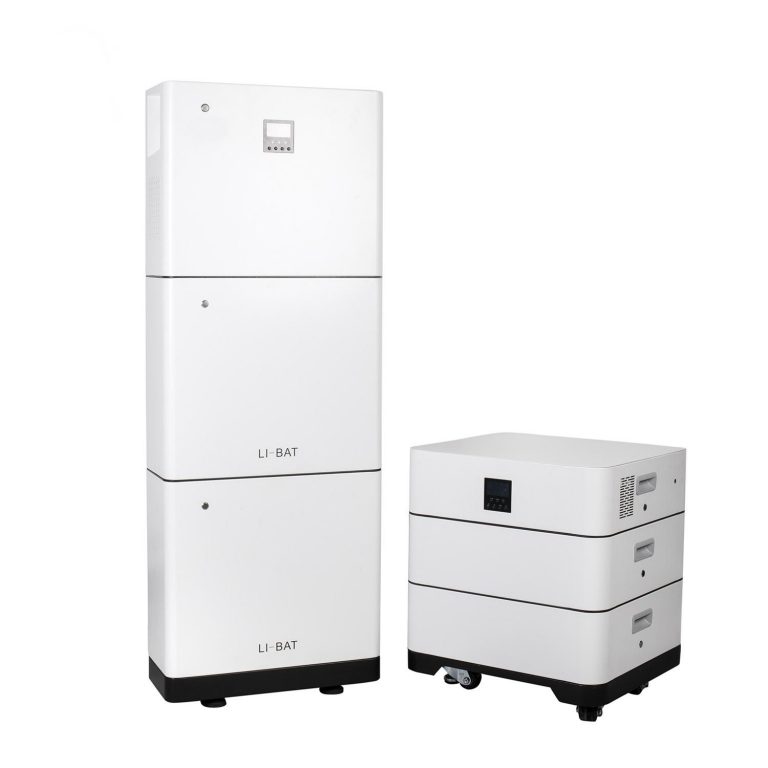
Home energy needs change. In 2026, many batteries are stackable or modular – start with 5 kWh, add more later as your EV arrives or your family grows.
Conclusion: The Battery You Choose Today Shapes Your Energy Future
Home batteries are a long-term investment. The cells you buy today will likely still be in your garage – or recycled responsibly – a decade from now. Understanding the difference between LFP and NMC, knowing which manufacturers produce the most reliable cells, and reading the fine print on warranties will save you money, improve safety, and reduce frustration.
When you’re ready to take the next step, start by reviewing your electricity bill, then bring battery chemistry and cell brand questions to your installer. The right battery, using the right cells, makes all the difference.
People Also Ask – Short Answers for Featured Snippets
Q: Which battery chemistry is safest for home storage?
LFP (lithium iron phosphate) is the safest chemistry for home storage due to its superior thermal stability and resistance to thermal runaway – even if damaged or overheated, LFP cells rarely catch fire.
Q: How many years does a home battery last?
A quality LFP home battery typically lasts 10–15 years with daily cycling, reaching about 80% of original capacity at end-of-life. Cycle life ratings of 3,000–6,000 cycles translate to 8–16 years of daily use.
Q: Do home batteries catch fire often?
No. A German study found a home storage fire is 50 times less likely than a general house fire and 18 times less likely than an ICE vehicle fire.
Q: Who makes the best lithium battery cells for home storage?
CATL and BYD dominate global cell production, with EVE Energy, CALB, and Gotion also major players.
Q: Are lithium batteries recyclable?
Yes, and recycling rates are improving. China now recycles 40% of spent batteries with 90% material recovery; the US recycles 35% with 95% recovery efficiency.
This guide was prepared by the team at LIPEP – a specialist in residential energy storage solutions. We’re not here to push a single battery brand. We’re here to help you make an informed decision that serves your home and your wallet for years to come.
Looking for a specific recommendation? Contact our team for a free consultation based on your home’s energy usage, solar setup, and local electricity rates.
Send Your inquiry
We will get in touch in 2 business day.
LIPEP SERVICES
Customised Service
LIPEP has a wealth of experience and our technical team can provide you with a customised energy storage and solar system tailored to your needs.
Stable & Quick Supply
We have in-depth cooperation with manufacturers and can provide you with quality products quickly.
After-sales Service
We patiently listen to customers' needs and provide one-stop service from consultation, design to implementation and after-sales service.