The Energy Challenge on Modern Farms
Modern agriculture is energy-intensive.From irrigation pumps and milking machines to greenhouse climate control and cold storage, farms depend on reliable, affordable electricity around the clock. Yet for many farmers, rising energy costs and grid instability are becoming critical business risks.
With agricultural electricity prices continuing to rise in many regions, this cost burden is only growing. Meanwhile, rural farms—often located at the end of distribution lines—experience frequent power outages that can disrupt milking, irrigation, and cold chain operations.
This is where the combination of solar photovoltaic (PV) systems and battery energy storage is changing the game. By generating clean energy on-site and storing it for use when needed, farmers can reduce costs, improve resilience, and gain greater control over their energy future.
In this guide, we’ll explore how solar-plus-storage solutions work for agricultural operations, and provide actionable advice for farmers considering the transition.
1.Why Solar Alone Isn't Enough
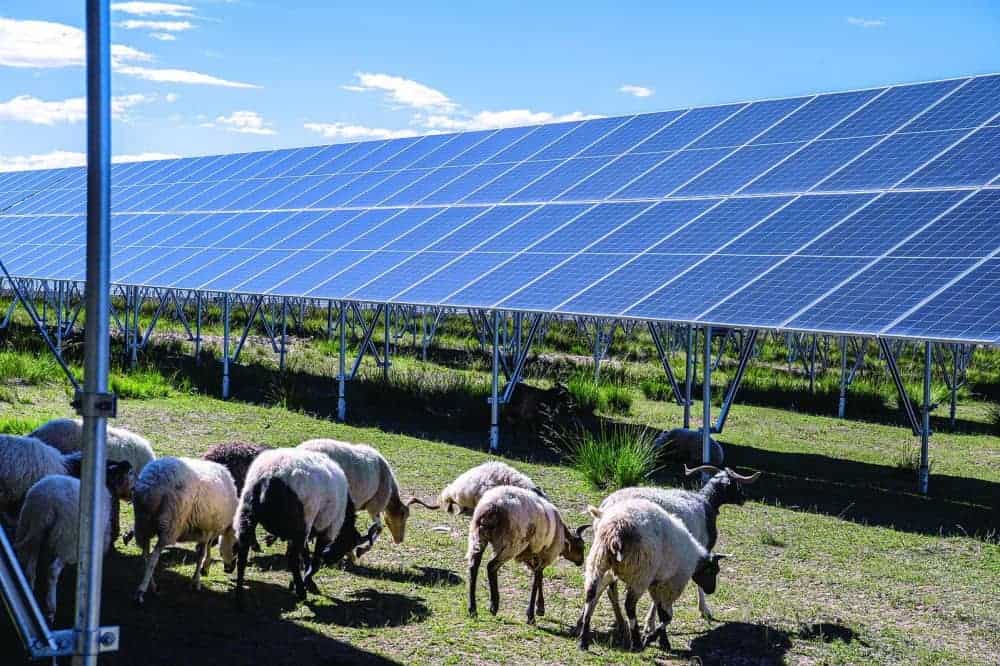
Many farms have already installed solar PV systems. And for good reason—solar panels generate free electricity during daylight hours, reducing grid purchases and lowering bills.
But there’s a catch. Solar generation peaks during the middle of the day, while many farm operations require energy in the early morning and evening. Dairy farms, for example, typically milk cows twice daily—once in the morning and once in the late afternoon or evening. Irrigation often runs at night to minimize evaporation losses. Greenhouses need heating and lighting around the clock.
Without storage, surplus solar energy generated during peak sun hours is either exported to the grid (often at low feed-in tariffs) or wasted entirely.Battery storage changes this equation completely. It captures that excess energy and stores it for use when it’s needed most—during evening milking, early morning operations, or even during grid outages.
2.The Solar + Storage Advantage: Key Benefits
2.1 Significant Cost Reduction
Energy storage integration can reduce operational costs by 8.5% compared to non-storage scenarios, according to a 2025 study published in MDPI’s Processes journal. The same research found that the energy performance contracting (EPC) model—where third-party investors fund the infrastructure—can achieve 9.3% greater cost-effectiveness than farmer self-investment.
More dramatically, approximately 77% of a farm’s energy needs can be supplied from renewable solar energy.
2.2 Enhanced Energy Resilience
Perhaps the most underappreciated benefit of battery storage is resilience. When the grid goes down, a solar-only system also shuts down—because solar inverters require grid power to operate. With a battery, the farm can continue operating independently.
2.3 Reduced Carbon Footprint
Agriculture is under increasing pressure to decarbonize. Solar-plus-storage systems enable farms to significantly reduce their reliance on fossil fuels and grid electricity.
2.4 Protection Against Energy Price Volatility
Energy markets are notoriously volatile. By generating and storing their own power, farmers insulate themselves from price spikes. As one Irish dairy farmer noted after installing solar with battery storage, the system gives “better control in withstanding price fluctuations in energy markets”.
3.The Technology: How It Works
A typical farm solar-plus-storage system consists of three main components:
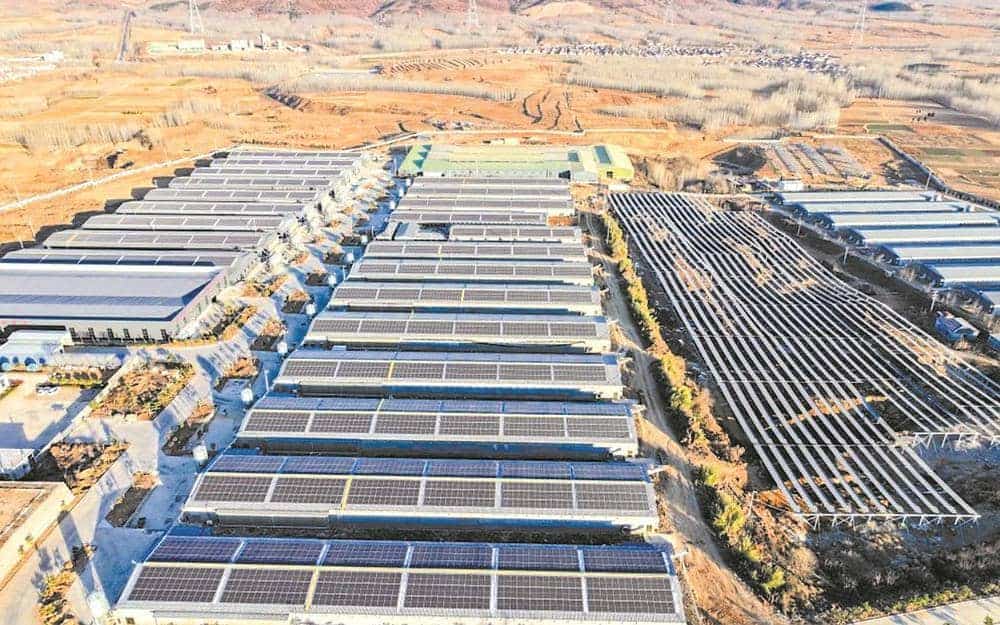
Solar PV Panels mounted on rooftops, ground-mounted arrays, or integrated into agricultural structures (agrivoltaics). These convert sunlight into direct current (DC) electricity.
Battery Energy Storage System (BESS) that stores excess electricity for later use. For farms, lithium-ion batteries are the most common choice, offering high energy density, long cycle life, and decreasing costs.
Inverters and Energy Management Systems that convert DC to AC power, manage the flow of electricity between panels, batteries, grid, and farm equipment, and optimize when to charge, discharge, or draw from the grid.
Sizing Considerations
Getting the system size right is critical. An undersized system won’t deliver sufficient savings or resilience; an oversized system wastes capital. Key factors to consider:
– Peak load demand – What’s the maximum power your farm draws at any moment?
– Daily energy consumption – How many kilowatt-hours do you use in a typical day?
– Load profile – When does energy use peak? Morning? Evening? Overnight?
– Solar resource – How much sunlight does your location receive?
– Battery capacity – How many hours of backup do you need?
4.Investment Models: Which One Works for You?
4.1 Self-Invested Construction (SIC)
The farmer owns and finances the system outright. This model offers the greatest long-term returns but requires significant upfront capital. The Irish dairy farmer who invested €15,525 (after grant) in his system expects a 3.5-year payback.
4.2 Energy Performance Contracting (EPC)
A third-party investor funds and installs the system, and the farmer pays through shared energy savings or a power purchase agreement. Research shows the EPC model can be 9.3% more cost-effective than SIC through shared-investment mechanisms.
4.3 Leasing or Power Purchase Agreements (PPA)
The farmer pays no upfront cost but agrees to purchase the electricity generated at a fixed rate—typically below grid prices. This model reduces risk but offers lower long-term savings.
5.Application Across Farm Types
Dairy Farms
Dairy operations are ideal candidates for solar-plus-storage. Milking machines, water heating, milk cooling, and effluent pumping create consistent, predictable loads. The ability to shift solar energy to evening milking sessions delivers immediate savings.
Greenhouses
Greenhouses need climate control, lighting, and irrigation—often around the clock. A 2025 study found that greenhouses equipped with semi-transparent photovoltaic systems and battery storage can achieve significantly higher energy autonomy than PV-only systems. In Beijing, a passive solar-thermal storage system achieved a 2°C increase in nighttime greenhouse temperature and a 17.5% improvement in plant growth light levels.
Irrigation
Water pumping is one of the most energy-intensive farm operations. A 2025 study demonstrated that a PV-battery-grid microgrid with solar water pumping is the most techno-economically efficient topology for irrigation. Wasted solar energy decreased by 62.4% compared to a standalone solar pumping system.
Poultry and Livestock
Poultry facilities require ventilation, lighting, and heating. A 250 kW solar system with 200 kWh battery storage can offset up to 91% of a poultry facility’s energy usage.
Cold Storage
Post-harvest cold storage is critical for reducing food loss. The global solar-powered cold storage market is projected to grow from approximately $180-220 million in 2026 to $650-850 million by 2035. Solar-powered cold storage systems can extend shelf life by up to 4 times compared to ambient conditions.
People Also Ask (PAA) - Quick Answers to Common Questions
Q: What is the payback period for farm solar with battery storage?
Payback periods range from 3 years to 9 years. Factors include system cost, electricity prices, available grants, and self-consumption rates.
Q: Can a solar-plus-storage system power a farm during a grid outage?
Yes—this is one of the key advantages. Unlike solar-only systems that shut down during grid failures, battery-backed systems can island and continue operating.
Q: Is battery storage worth it for farms that already have solar?
Often yes. One Scottish farm discovered that over half of its solar generation was being exported. Adding battery storage captured this energy for nighttime use, delivering £10,000 in annual savings with a payback of less than 3 years.
Q: What size battery do I need for my farm?
This depends on your load profile and objectives. A 200 kWh battery served a 300-ha dairy with 800 cows. A 10 kWh battery served a smaller dairy. Professional energy audits are essential for proper sizing.
Implementing Your Solar + Storage Project: A Step-by-Step Guide
Step 1: Conduct an Energy Audit
Understand your current consumption, load patterns, and peak demand. Monitor for at least 12 months to account for seasonal variations.
Step 2: Define Your Objectives
Are you primarily seeking cost savings? Resilience against outages? Carbon reduction? Your priorities will influence system design.
Step 3: Assess Your Solar Resource
Evaluate your site’s solar potential. Rooftop space, available land, and orientation all matter. Farms with large barn roofs or available land are ideal candidates.
Step 4: Evaluate Storage Needs
Determine how much backup capacity you need. Consider critical loads that must remain operational during outages—milking equipment, irrigation, cold storage, ventilation.
Step 5: Select a Qualified Installer
Look for experience with agricultural systems. The Irish farmer emphasized: “It is quite a permanent decision so it is important to get it right”.
Step 6: Monitor and Optimize
Once installed, monitor system performance. Many systems include energy management software that can optimize when to charge, discharge, or export to the grid.
The Future of Farm Energy & Conclusion
Farms that adopt solar-plus-storage now are positioning themselves for a future of energy independence, cost predictability, and sustainability. As one industry observer noted at the Solar Agro Conference 2026, “many agricultural companies have already installed solar power plants and battery energy storage systems not only to strengthen their energy security but also to develop self-generation as a separate business line”.
Solar-plus-storage is not just an environmental choice—it’s a sound business decision for modern farms. The data is compelling: 44% reductions in LCOE, 77% renewable energy penetration, payback periods as short as 3 years, and resilience that keeps operations running when the grid fails.
Every farm is different, and system design must be tailored to specific loads, objectives, and site conditions. But the underlying principle is universal: generating and storing your own energy gives you control—over costs, over reliability, and over your farm’s future.
LIPEP is an solar system designer with 8 years of experience in residential and commercial installations. LIPEP is a wholesale supplier, system integrator specializing in wall-mounted LiFePO₄ storage and complete solar solutions for international markets.
Send Your inquiry
We will get in touch in 2 business day.
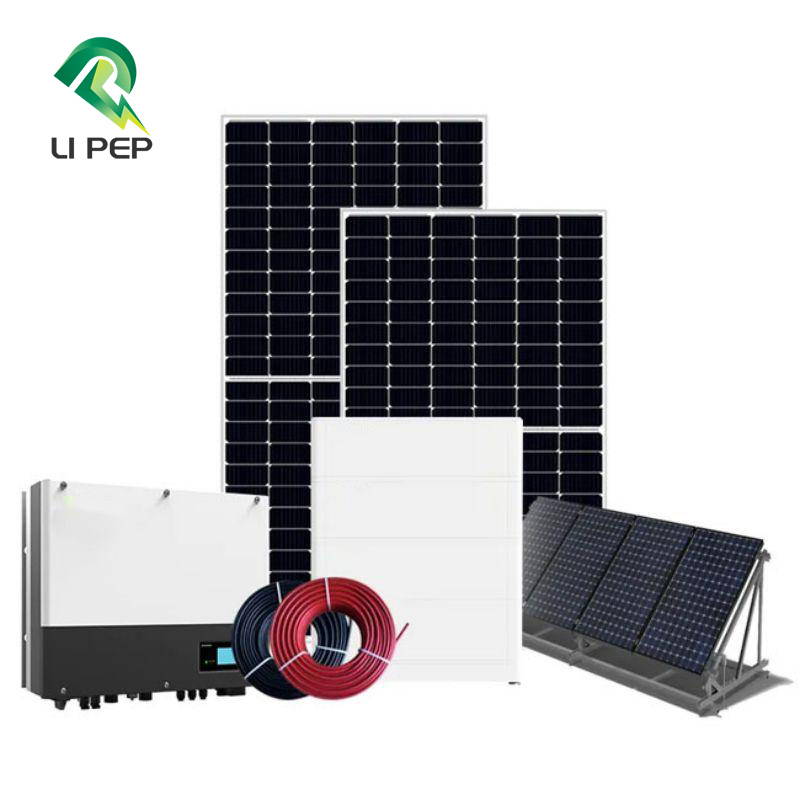
Cutomized 5/8/10kw Solar Power System With High Quality Solar Panel & Storage Battery & Inverter
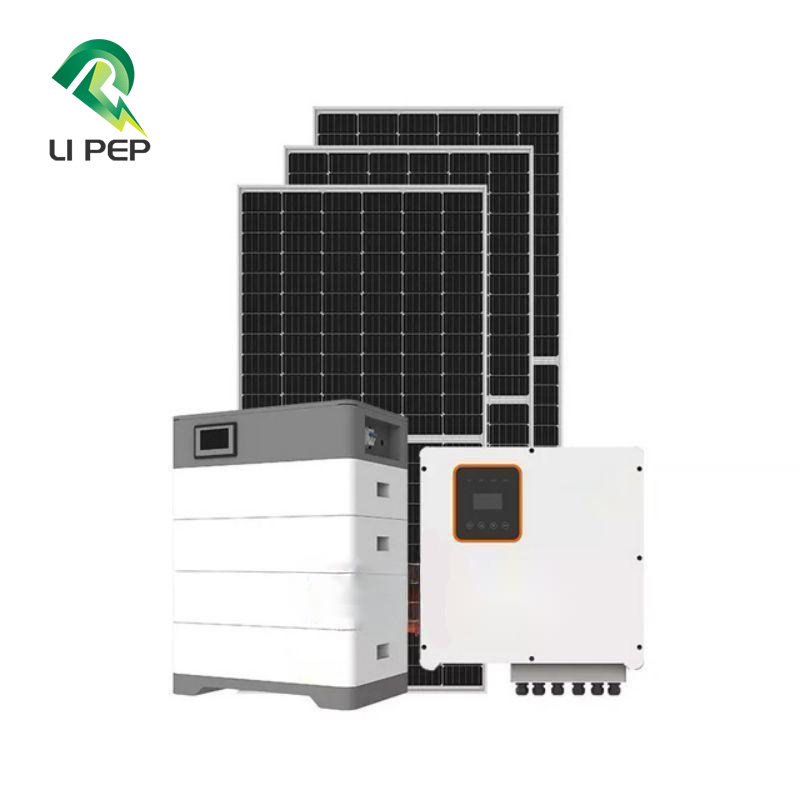
10kw/20kw/30kw Solar Power System With High Quality Solar Panel & Storage Battery & Inverter
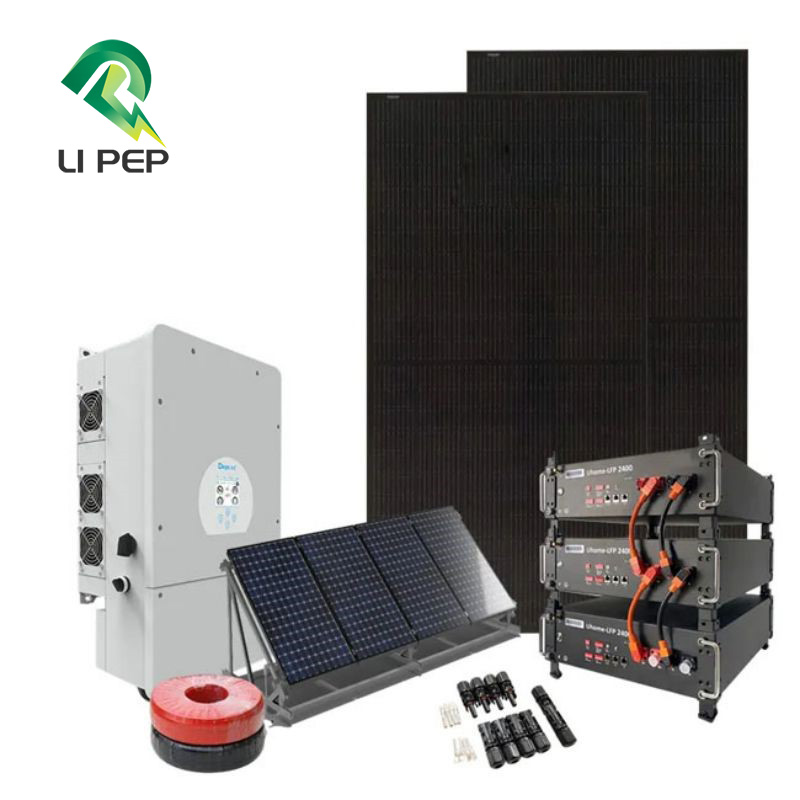
Cutomized 100kw/200kw Solar Power System With High Quality Solar Panel & Energy Storage System
LIPEP SERVICES
Customised Service
LIPEP has a wealth of experience and our technical team can provide you with a customised energy storage and solar system tailored to your needs.
Stable & Quick Supply
We have in-depth cooperation with manufacturers and can provide you with quality products quickly.
After-sales Service
We patiently listen to customers' needs and provide one-stop service from consultation, design to implementation and after-sales service.