
An Independent Guide for Off-Grid Energy Decision-Makers
Introduction: The Energy Isolation Problem
More than 1.1 billion people worldwide still lack access to reliable electricity. Among them, island communities and remote inland settlements face perhaps the most acute energy challenges. Geographic isolation, fragile ecosystems, heavy dependence on imported fossil fuels, and underdeveloped electricity infrastructure create a storm of energy insecurity.
The global remote microgrids market-the primary delivery mechanism for island and remote area energy-was valued at US$10.9 billion in 2025 and is projected to reach US$41.0 billion by 2032, growing at a compound annual growth rate (CAGR) of 20.9%. The off-grid energy storage systems market specifically is expanding from $9.83 billion in 2024 to an estimated $18.31 billion by 2029 at a 13.4% CAGR.
But behind these numbers lies a more complex reality. This guide draws on recent case studies, techno-economic analyses, and field data to help you understand the real-world challenges of energy storage in isolated environments-and make informed technology choices.
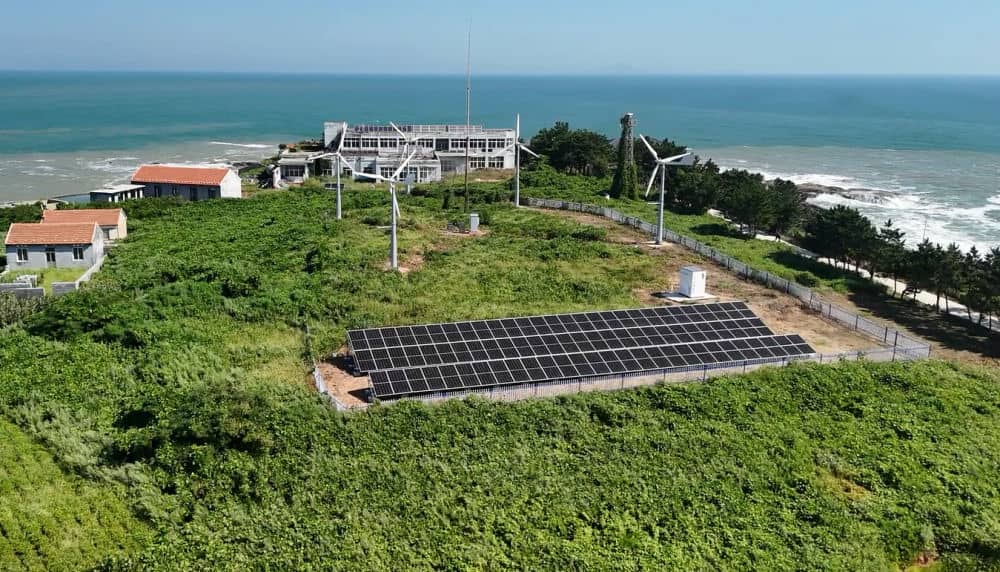
1: The Unique Challenges of Island & Remote Area Energy Storage
1.1 Geographic Isolation & Logistics
Remote islands and inland communities face supply chain constraints that dramatically affect project economics. Equipment must often be transported by air, sea, or over difficult terrain.
1.2 Diesel Dependence & Cost Volatility
Many island communities rely almost exclusively on diesel generators. On Lemukutan Island in West Kalimantan, Indonesia, generators operate only 14 hours per day, limiting electricity access and creating high fuel dependency.
2.3 Renewable Intermittency
Islands often have abundant solar and wind resources, but intermittency remains a fundamental challenge. On Graciosa Island in the Azores, high renewable energy potential exists, yet “RES intermittency combined with the lack of energy storage solutions reduces renewable penetration and raises curtailment”.
3.4 Harsh Environmental Conditions
Coastal and island environments expose equipment to salt spray, high humidity, extreme temperatures, and cyclonic weather. Systems must be ruggedized, corrosion-resistant, and capable of operating reliably in conditions that would quickly degrade standard equipment.
3.5 High Initial Capital Costs
Island energy storage systems carry a significant cost premium. Industry data shows unit costs reaching $3.5/W for island energy storage systems – 50% higher than mainland projects. This premium reflects transportation, installation, and specialized engineering requirements.
2: Technology Selection Framework
Choosing the right energy storage technology for an island or remote application requires understanding trade-offs across multiple dimensions. Below is a comprehensive comparison of the three dominant battery technologies.
INFOGRAPHIC: Battery Technology Comparison for Island & Remote Applications
| Parameter | Lithium-Ion (LiFePO4) | Lead-Acid |
|---|---|---|
| Cycle Life | 4,000–8,000 cycles | 500–1,500 cycles |
| Round-Trip Efficiency | 90–95% | 70–85% |
| Energy Density | High | Low |
| Depth of Discharge | 80–100% | 50% (recommended) |
| Maintenance | Low | High (watering, equalization) |
| Lifespan (years) | 8–12 | 3–5 |
| Temperature Sensitivity | Moderate (requires thermal management) | Moderate |
| Scalability | Modular | Modular |
| Best Application | Daily cycling, high efficiency | Budget-constrained, mild climate |
| Relative Capital Cost | $$ | $ |
Key Insights from the Data
Lithium-ion batteries have emerged as the dominant technology for island and remote applications, offering “higher efficiency, longer lifetimes, and lower total costs than lead-acid batteries”. According to the IEA-PVPS, lithium-ion is now economically viable for large off-grid PV systems in the megawatt range.
However, system size matters: “Li-ion performs best in very small and very large systems, while lead-acid can still be more economical in mid-sized applications”. This nuance is critical for project planners.
3: Case Studies & Real-World Data
Case Study 1: Lemukutan Island, Indonesia – PV-Diesel-Battery Hybrid
Location: West Kalimantan, Indonesia
Challenge: Diesel generators operating only 14 hours/day; tourism village designation requiring 24/7 power
A techno-economic study evaluated three scenarios:
– Diesel-only: Highest net present cost (NPC) and LCOE
– PV-diesel hybrid: Reduced fuel consumption and emissions
– PV-diesel-battery hybrid: Most optimal solution
Key Takeaway: Even a modest battery component can cut fuel consumption by nearly half while delivering 24/7 power reliability.
Case Study 2: Grande Comore, Union of the Comoros – 100% Solar + Storage
Location: Grande Comore, Indian Ocean
Challenge: Heavy dependence on imported fossil fuels; geographic isolation
Researchers optimized a hybrid microgrid integrating PV, wind, diesel, and battery storage.
Results: The optimal configuration consisted solely of PV and battery storage, meeting 100% of annual electricity demand and zero greenhouse gas emissions. Solar PV contributed over 99% of total energy production.
Key Takeaway: 100% renewable island microgrids are not just technically viable-they can be economically competitive.
Case Study 3: Lord Howe Island, Australia – $1.5 Million in Diesel Savings
Location: Lord Howe Island, Australia
Challenge: Diesel dependence; high fuel import costs
A solar and battery-based microgrid saved $1.5 million in diesel fuel costs in its first two years of operation. “The hybrid renewable energy project has improved Lord Howe’s self-sufficiency whilst also reducing the island’s reliance on diesel generators and imported fuels”.
Key Takeaway: The financial case for storage is often stronger than projected-operational savings compound over time.
Case Study 4: Suriname Villages Micro-grid Project – Scaling Impact
Location: Suriname, South America
Challenge: National electricity access exceeds 98%, but drops to under 90% in rural areas
PowerChina is building three hybrid solar microgrids combining solar panels, battery storage, and diesel backup to power 25 remote villages. Phase I involved 650 kW of solar power and 2.6 MWh of energy storage.
Key Takeaway: Hybrid approaches (solar + storage + backup diesel) provide a practical pathway to universal electrification in remote areas.
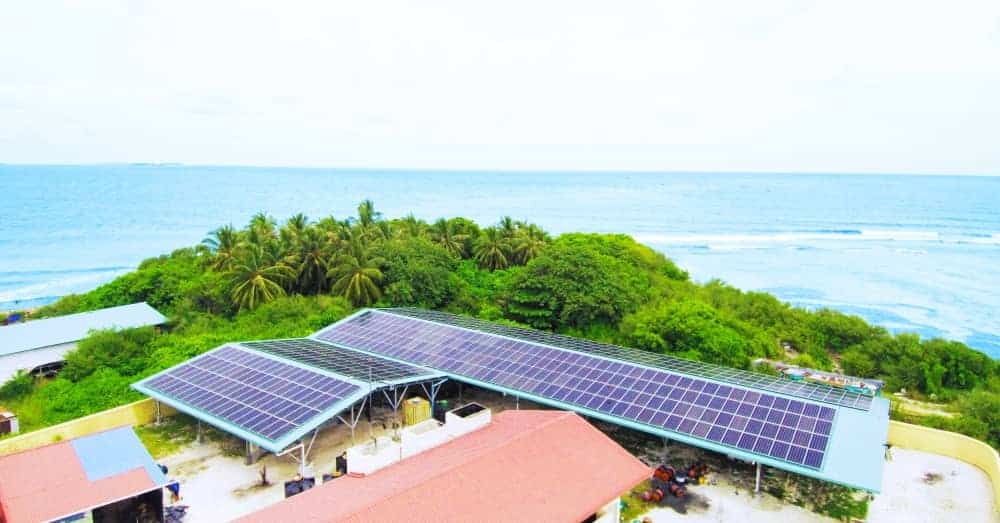
4: Practical Recommendations for Technology Selection
When to Choose Lithium-Ion (LiFePO4)
– Daily cycling applications (residential, commercial, community microgrids)
– Space-constrained sites (small islands, rooftops, containerized installations)
– High efficiency requirements
– Systems requiring low maintenance
LiFePO4 batteries are “widely recommended for an off-grid solar kit” due to their safety, longevity, and performance.
When to Choose Lead-Acid
– Budget-constrained projects with lower cycling requirements
– Mild climates where temperature extremes are not a concern
– Mid-sized applications where lithium-ion may not yet be cost-competitive
– Short-term or pilot projects
5: The Localization Advantage
One often-overlooked factor in island energy storage success is local engagement. The most successful projects:
- Train local operators for ongoing maintenance
- Source components that can be serviced with locally available skills
- Design for extreme conditions specific to the location
- Integrate with local energy needs-not just electricity but also water pumping, refrigeration, and productive uses
As one analysis noted, energy storage in remote areas “effectively reduces the psychological and systemic entropy caused by unreliable power availability”. The introduction of local storage “creates a degree of energy sovereignty that is otherwise unattainable for isolated communities”.
People Also Ask
Q: What is the best battery for off-grid island use?
Lithium-ion (LiFePO4) is generally optimal for daily cycling applications, offering high efficiency, long cycle life (4,000–8,000 cycles), and low maintenance. For deep, daily cycling with very long system life requirements, flow batteries may be worth the premium.
Q: Can renewable energy + storage completely replace diesel on islands?
Yes. The Grande Comore case study demonstrated a 100% PV + battery system meeting all annual electricity demand with zero emissions. However, many projects retain diesel backup for resilience during extreme weather or maintenance periods.
Q: How long do island energy storage systems last?
Lithium-ion systems typically last 8–12 years; lead-acid 3–5 years. Environmental conditions significantly impact lifespan-proper thermal management and corrosion protection are essential.
Q: What are the main challenges for energy storage on remote islands?
Logistics (high transport costs), harsh environmental conditions (salt, humidity, cyclones), high initial capital costs and maintenance accessibility.
Conclusion: The Path Forward
The data is clear: energy storage is the key enabler for reliable, sustainable power in island and remote communities. Falling battery costs, improving technology, and accumulating operational data are making the economic case stronger every year.
For project planners and decision-makers, the path forward involves:
- Conducting site-specific techno-economic analysis
- Selecting technology based on cycling requirements, budget, and environmental conditions
- Designing for resilience with appropriate redundancy and thermal management
- Investing in local capacity for ongoing operation and maintenance
- Planning for scalability as communities grow and energy needs evolve
The transition from diesel dependence to renewable-powered energy independence is not just technically feasible-it is increasingly the most cost-effective option available.
This guide is intended as an independent resource for energy project planners, policymakers, and community leaders evaluating storage solutions for island and remote applications. For project-specific guidance, consult with qualified energy system engineers familiar with your local conditions.
LIPEP is an solar system designer with 8 years of experience in residential and commercial installations. LIPEP is a wholesale supplier, system integrator specializing in wall-mounted LiFePO₄ storage and complete solar solutions for international markets.
Send Your inquiry
We will get in touch in 2 business day.
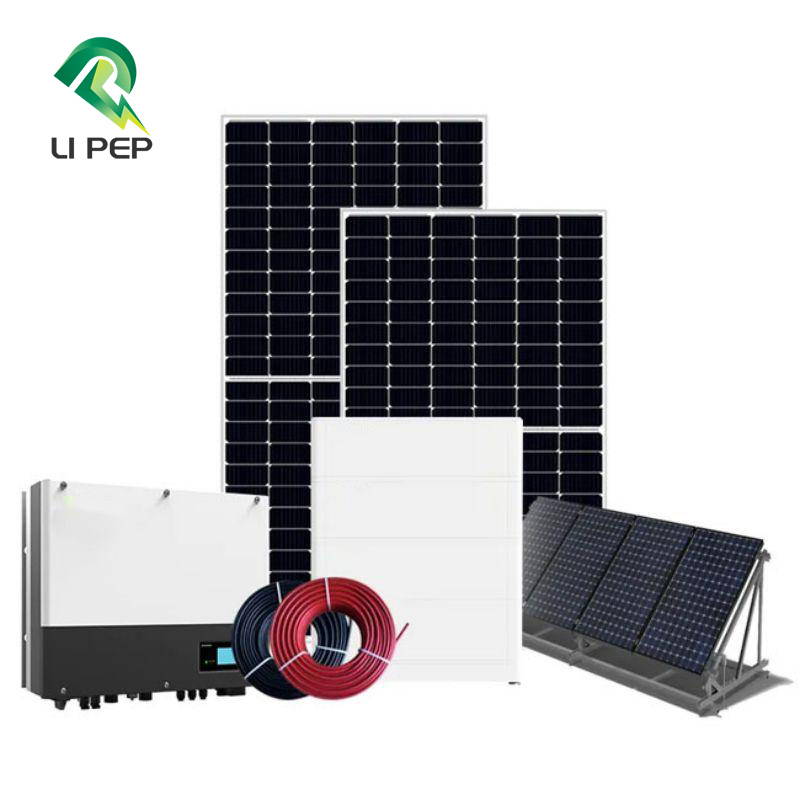
Cutomized 5/8/10kw Solar Power System With High Quality Solar Panel & Storage Battery & Inverter
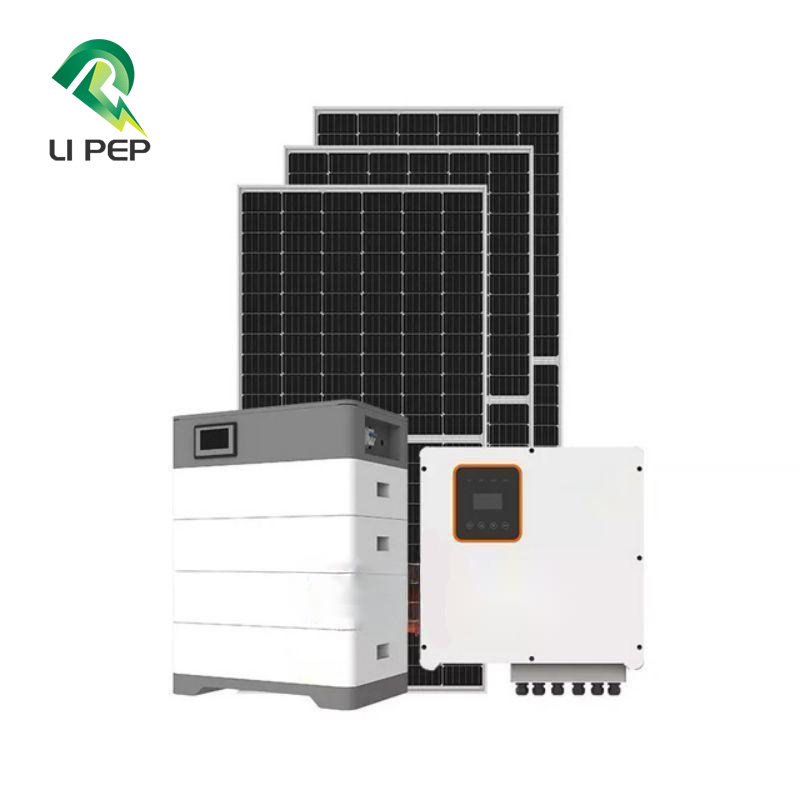
10kw/20kw/30kw Solar Power System With High Quality Solar Panel & Storage Battery & Inverter
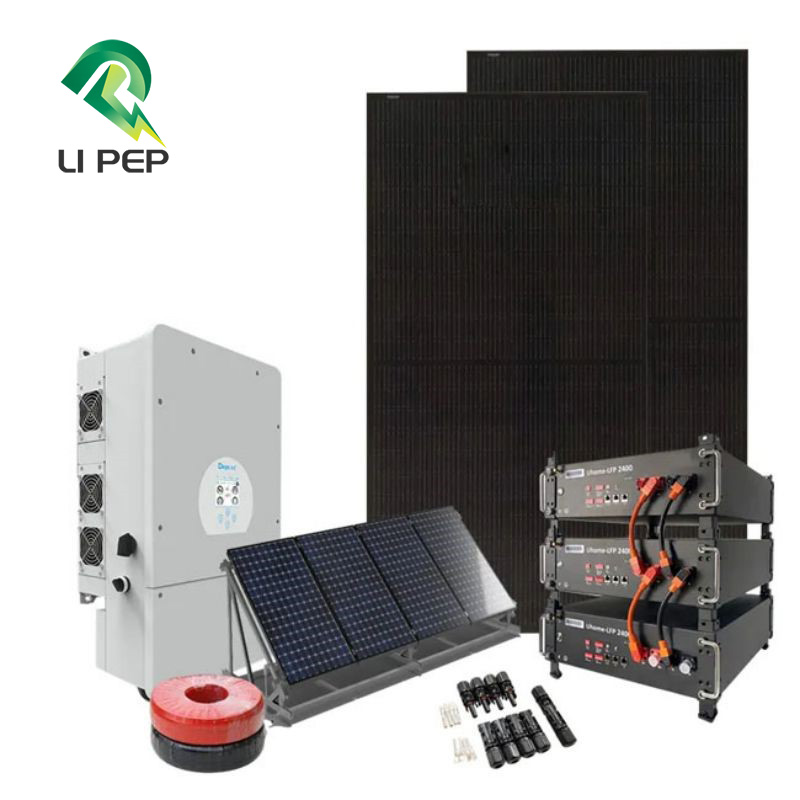
Cutomized 100kw/200kw Solar Power System With High Quality Solar Panel & Energy Storage System
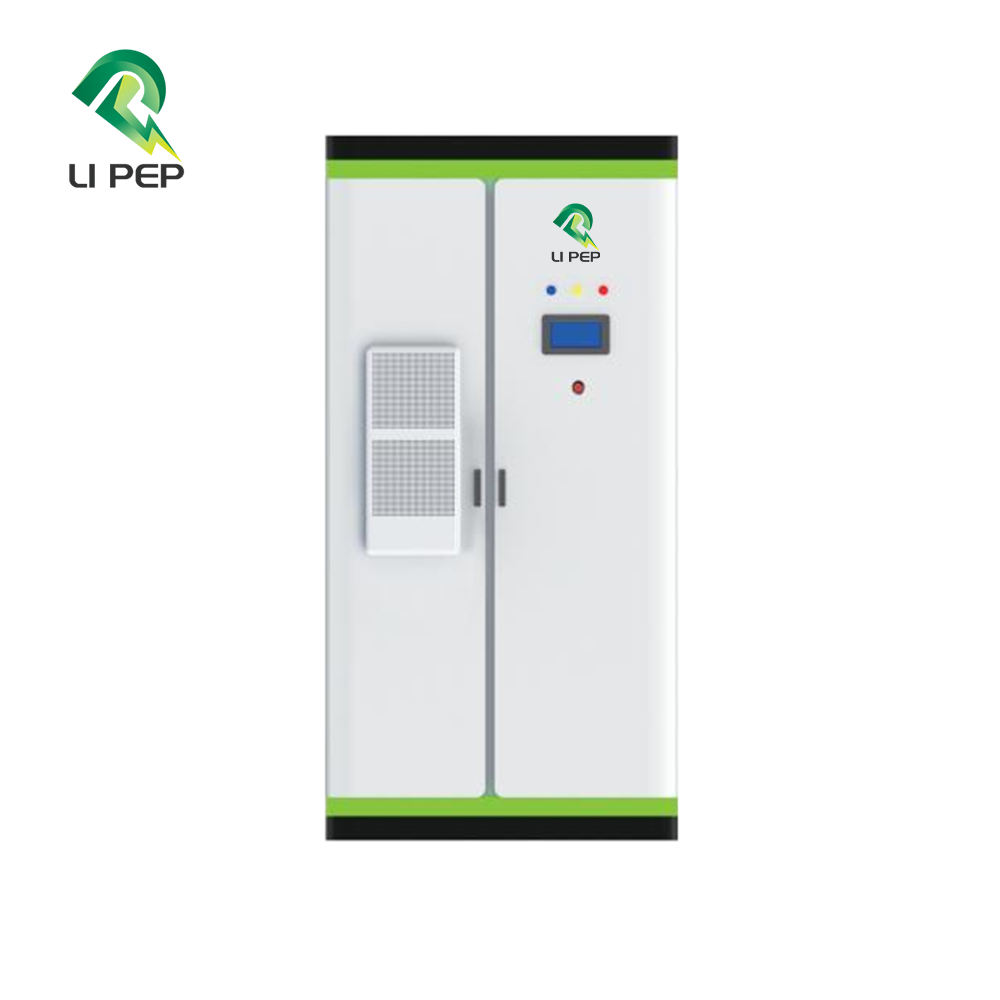
LIPEP SERVICES
Customised Service
LIPEP has a wealth of experience and our technical team can provide you with a customised energy storage and solar system tailored to your needs.
Stable & Quick Supply
We have in-depth cooperation with manufacturers and can provide you with quality products quickly.
After-sales Service
We patiently listen to customers' needs and provide one-stop service from consultation, design to implementation and after-sales service.