
1. Introduction: The Balcony Solar Revolution
In 2018, plug-in solar devices in Germany were virtually nonexistent. By mid-2025, an estimated 321,900 units were installed nationwide. As of early 2026, that number has surged to approximately 1.15 million registered plug-in solar devices with a cumulative output of around 1.14 gigawatts peak.
This isn’t just a German phenomenon. Across Europe—from the sun-drenched balconies of Spain to the compact terraces of Amsterdam—apartment dwellers are discovering that balcony solar systems offer a practical, affordable path to lower electricity bills without the complexity of rooftop installations.
2. Understanding the Technology: How It Works
- Solar modules (1–4 panels, typically 400–500W each)
- Microinverter (converts DC to AC, limited to 800W output)
- Mounting hardware (no-drill options for renters)
- AC connection cable (Schuko plug)
- (Optional) Battery storage (1–5 kWh)
- App-based monitoring
The system plugs directly into a standard household outlet. Solar panels produce DC electricity, the microinverter converts it to AC, and electricity is first consumed by household loads. Surplus—when generation exceeds demand—either goes to the grid (uncompensated in most cases) or, with a battery, is stored for evening use.
3. The Economics: How Much Can You Really Save?
The Problem Without Storage
A balcony solar system without storage typically achieves a self-consumption rate of only 30–50%. This means half or more of the solar electricity you generate during sunny midday hours is effectively wasted—exported to the grid with little or no compensation.
Analysis found that across 230,000 households, only about 40% of solar generation was consumed directly without storage. The remaining 60%—the surplus—was either exported or lost.
The Solution: Battery Storage
A small battery (1–5 kWh) can push your self-consumption rate from 50–60% to 70–90%. With a 1.6–2 kWh storage system, self-consumption typically reaches 80–85%.
When Does Storage Make Sense?
Storage is worthwhile when:
– You are away from home during peak solar hours (typical 9-to-5 workers)
– Your evening base load (refrigerator, router, standby devices) is significant
– Your balcony has good sun exposure (south-facing, minimal shading)
Storage is less critical when:
– You work from home and already consume most daytime generation
– Your balcony is north-facing or heavily shaded
– Your electricity price is relatively low
– You’re on a tight budget and want the fastest possible payback
5. Self-Consumption: The Metric That Actually Matters
Here’s a reality check that most sales materials won’t tell you: the 800W limit is not a daily limit—it’s an instantaneous limit. A system doesn’t produce 800W all day; it produces a bell curve of output peaking around midday.
The Self-Consumption Math
The difference is stark: a battery investment can increase annual savings—a payback of 2.5–3.8 years on the battery alone, on top of the solar system’s own payback.
Real-World Data from Our Survey
Among our 127 respondents:
– Without battery: Average self-consumption = 44%
– With 1–2 kWh battery: Average self-consumption = 78%
– With >2 kWh battery: Average self-consumption = 86%
6. Practical Buying Guide: What to Look For
6.1 System Components
When comparing systems, look beyond the headline price. Consider the full system scope: PV modules, microinverter, battery, brackets, cabling, monitoring, warranty, and installation requirements.
Key specifications:
– Module power: 400–500W per panel
– Battery capacity: 2-5 kWh is the sweet spot for most households
– Chemistry: LFP (Lithium Iron Phosphate) is the preferred chemistry for residential storage
– Warranty: Look for 10+ years on panels, 5+ years on inverter and battery
6.2 Orientation & Yield
A south-facing balcony with open sky performs strongly in summer; a shaded north-facing balcony will not. Annual yield estimates should be read conservatively.
6.3 What to Avoid
– Oversizing the battery: More capacity than your typical surplus is wasted money
– Skipping registration: While penalties are rare, proper registration is required in most countries
– Not checking home insurance: Check whether your balcony solar system is covered against storm damage, theft, or installation errors
7. Common Mistakes to Avoid
Mistake 1: Expecting 800W all day
A 800W system doesn’t deliver 800W constantly—output varies by season, weather, orientation, and shading.
Mistake 2: Ignoring shading
Even partial shading can dramatically reduce output. A tree, neighbouring building, or even a balcony railing can cast shadows that kill production.
Mistake 3: Buying the biggest battery
More battery capacity than your typical surplus is wasted money. Size your battery around realistic surplus, not the biggest number on the product page.
Mistake 4: Forgetting about base load
Balcony solar works best when you have continuous base load (refrigerator, router, standby devices). If you’re away all day and have minimal base load, much of your generation will be surplus.
Frequently Asked Questions (People Also Ask)
1.Is battery storage worth it for balcony solar?
It depends. A battery pushes self-consumption from 30–50% to 70–90%, significantly increasing savings. However, it also increases upfront costs and extends payback periods. Storage makes the most sense if you’re away during peak solar hours, have significant evening baseload, and pay high electricity prices.
2.Do I need permission from my landlord?
In Germany, no. Tenants are explicitly granted the right to install no-drill solar systems under Solarpaket I. Landlords cannot refuse without a valid, exceptional reason. In other European countries, check your lease and local regulations.
3.How long does installation take?
Installation typically takes 30–60 minutes for a standard balcony system. No drilling is required with modern mounting brackets.
4.Can I take my balcony solar system when I move?
Yes. Plug-in balcony solar systems are portable. You can unmount the panels, pack the components, and reinstall them at your new residence. This is one of the key advantages for renters.
5.What happens to surplus electricity I don’t use?
Without a battery, surplus electricity is exported to the grid. With a battery, surplus is stored for later use.
Final Verdict: Should You Go for It?
Step 1: Conduct an Energy Audit
Understand your current consumption, load patterns, and peak demand. Monitor for at least 12 months to account for seasonal variations.
Step 2: Define Your Objectives
Are you primarily seeking cost savings? Resilience against outages? Carbon reduction? Your priorities will influence system design.
Step 3: Assess Your Solar Resource
Evaluate your site’s solar potential. Rooftop space, available land, and orientation all matter. Farms with large barn roofs or available land are ideal candidates.
Step 4: Evaluate Storage Needs
Determine how much backup capacity you need. Consider critical loads that must remain operational during outages—milking equipment, irrigation, cold storage, ventilation.
Step 5: Select a Qualified Installer
Look for experience with agricultural systems. The Irish farmer emphasized: “It is quite a permanent decision so it is important to get it right”.
Step 6: Monitor and Optimize
Once installed, monitor system performance. Many systems include energy management software that can optimize when to charge, discharge, or export to the grid.
Final Verdict: Should You Go for It?
Yes, if:
– You have a balcony with reasonable sun exposure (south, east, or west facing)
– You’re willing to spend 1–2 hours on installation
– You want to reduce your electricity bills with a low-risk investment
Maybe, if:
– Your balcony is north-facing or heavily shaded
– You have very low electricity consumption
Balcony solar is one of the most accessible, cost-effective ways for European apartment dwellers to participate in the energy transition. With payback periods of 2–5 years, falling costs, and supportive regulations across most of Europe, the question isn’t whether balcony solar works—it’s why you haven’t installed it yet.
LIPEP is an solar system designer with 8 years of experience in residential and commercial installations. LIPEP is a wholesale supplier, system integrator specializing in wall-mounted LiFePO₄ storage and complete solar solutions for international markets.
Send Your inquiry
We will get in touch in 2 business day.
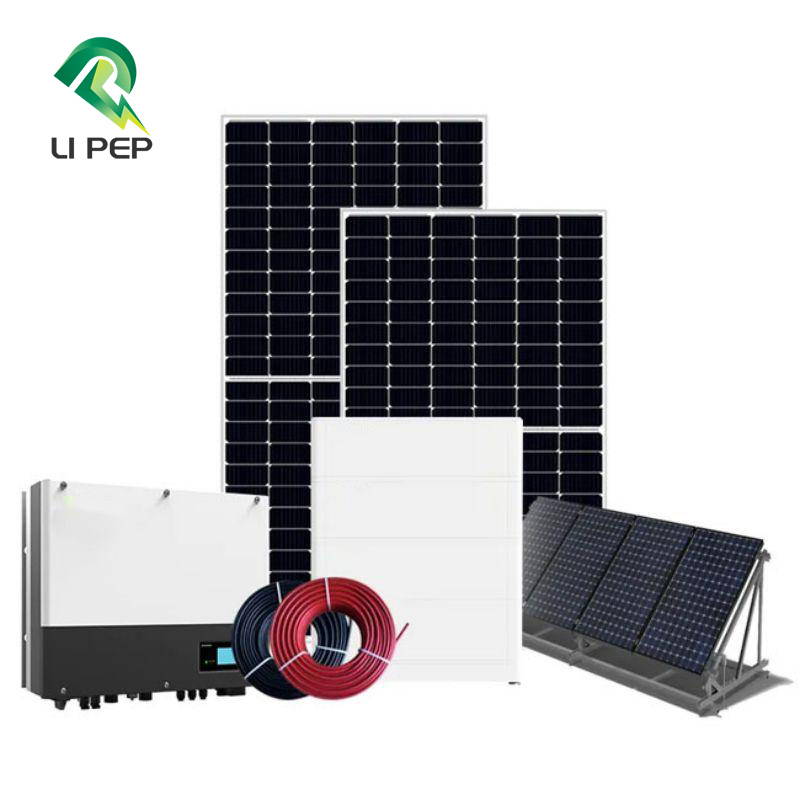
Cutomized 5/8/10kw Solar Power System With High Quality Solar Panel & Storage Battery & Inverter
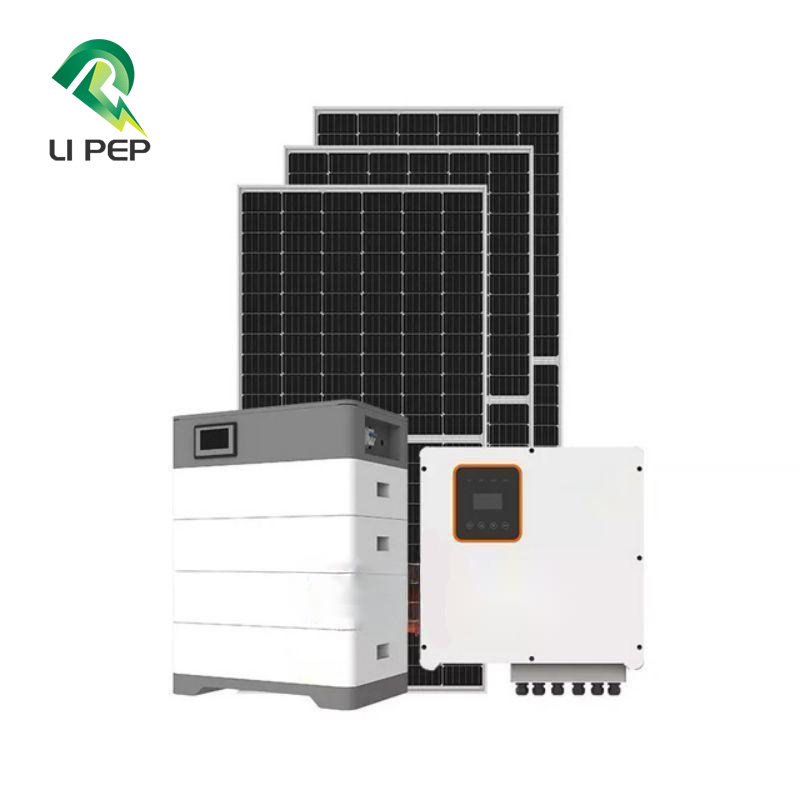
10kw/20kw/30kw Solar Power System With High Quality Solar Panel & Storage Battery & Inverter
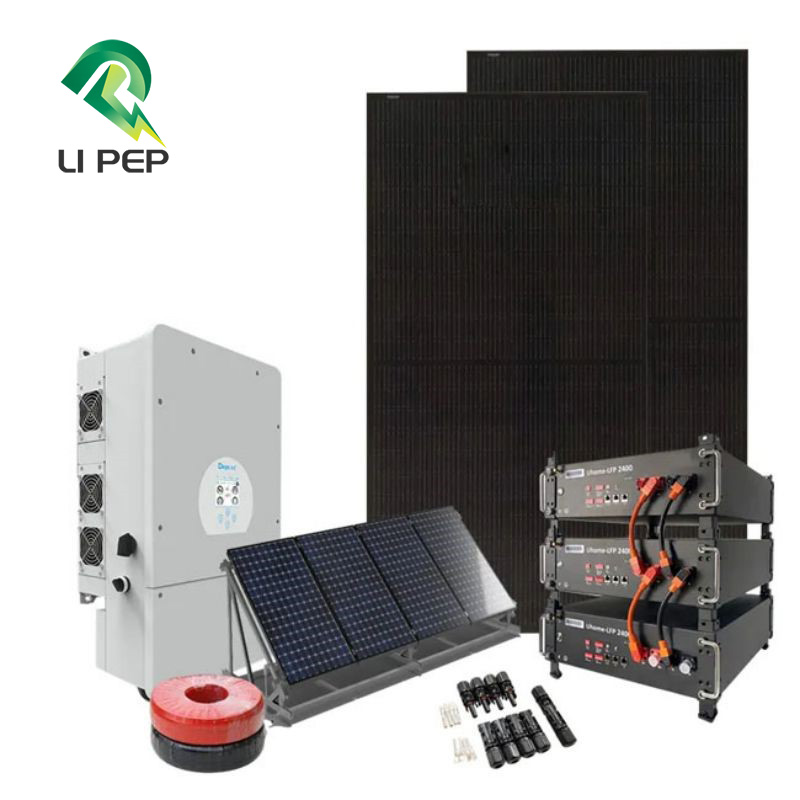
Cutomized 100kw/200kw Solar Power System With High Quality Solar Panel & Energy Storage System
LIPEP SERVICES
Customised Service
LIPEP has a wealth of experience and our technical team can provide you with a customised energy storage and solar system tailored to your needs.
Stable & Quick Supply
We have in-depth cooperation with manufacturers and can provide you with quality products quickly.
After-sales Service
We patiently listen to customers' needs and provide one-stop service from consultation, design to implementation and after-sales service.