Your complete guide to energy independence for remote cabins - with real data and actionable advice
Introduction: The Dream of Off-Grid Living
Picture this: waking up to birdsong in a forest cabin, brewing coffee with electricity you generated yourself, and working remotely with a reliable internet connection — all without a single utility bill. It sounds like a fantasy, but for hundreds of thousands of people worldwide, it’s daily reality.
The off-grid housing market was valued at $2.59 billion in 2024 and is projected to reach $5.13 billion by 2033, growing at a 7.9% CAGR. In the United States alone, off-grid households number between 180,000 and 750,000, with the market growing 7-10% annually – outpacing grid-tied solar’s 6% growth. Post-pandemic, rural mortgage applications have surged 80%, driven by remote work and the desire for energy independence.
But here’s the real question: Can you truly power a modern cabin — with refrigeration, lighting, devices, and even air conditioning — completely off-grid?
The answer is yes. And this guide will show you exactly how.
1.The Data: Off-Grid Solar Is Booming — And It Works
Let’s start with the numbers that matter.
Global Off-Grid Solar Market
According to GOGLA’s 2025 Global Off-Grid Solar Market Report, the sector reached a historic milestone: 10.2 million solar energy kits sold globally, up nearly 10% from 2024.
This isn’t a niche movement anymore. It’s a mainstream shift.
Real Case Study: New Zealand’s Off-Grid Cabin
Architect Tim and his partner Sarah built a 36-square-metre off-grid cabin in Mangawhai, New Zealand. Their rooftop photovoltaic array generates nearly 8 MWh per year, stored in lithium batteries. The home runs entirely without gas, using a super-efficient hot water heat-pump and energy-conscious appliances.
The takeaway: A small cabin can generate more than 8,000 kWh annually — enough to power a typical household’s annual power consumption.
2.Cost Analysis: The Economics of Going Off-Grid
2.1 Upfront Investment vs. Long-Term Savings
For many rural properties, off-grid solar offers substantial savings compared to grid connection, which averages $1,500–$2,500 per mile to extend.
A typical off-grid system for a cabin includes:
2.2 Operating and Maintenance Costs
Off-grid systems have relatively low annual maintenance costs:
– Solar panels: periodic cleaning and inspection
– Batteries: the main consumable component requiring eventual replacement
– Estimated annual O&M: $300–$800
2.3 ROI and Payback Period
While off-grid systems require higher capital investment due to storage, they eliminate monthly electricity bills entirely while providing energy independence and protection from utility rate increases. Studies show off-grid systems can achieve a return on investment of 36.5% with payback periods ranging from 5 to 10 years.
3.System Components: What You Actually Need
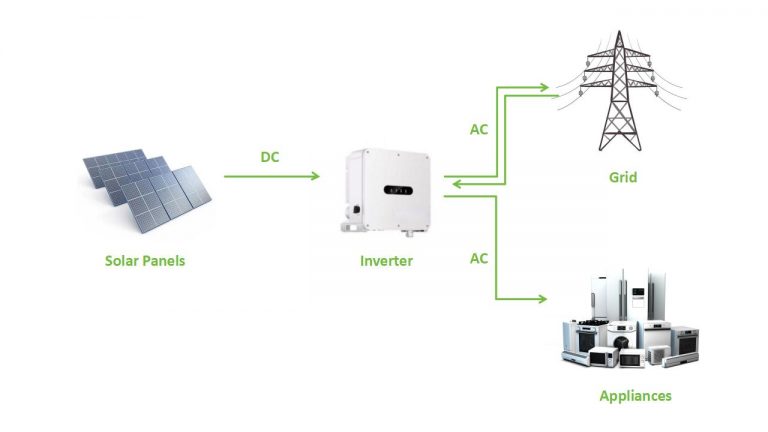
A complete off-grid solar power system consists of four main components:
3.1 Solar Panels (Photovoltaic Array)
These capture sunlight and convert it to DC electricity. For a cabin, typical array sizes range from 2 kW to 5 kW.
Sizing rule of thumb: A weekend cabin typically needs 1,500–3,000 Wh daily, while a full-time residence might require 5,000–15,000 Wh or more.
3.2 Charge Controller
This regulates voltage and current from the solar panels to the batteries.
MPPT controllers can harvest up to 30% more power in summer and 15% more in winter compared to PWM controllers. Studies show MPPT outperforms PWM by about 24-29% additional energy gain under normal temperatures.
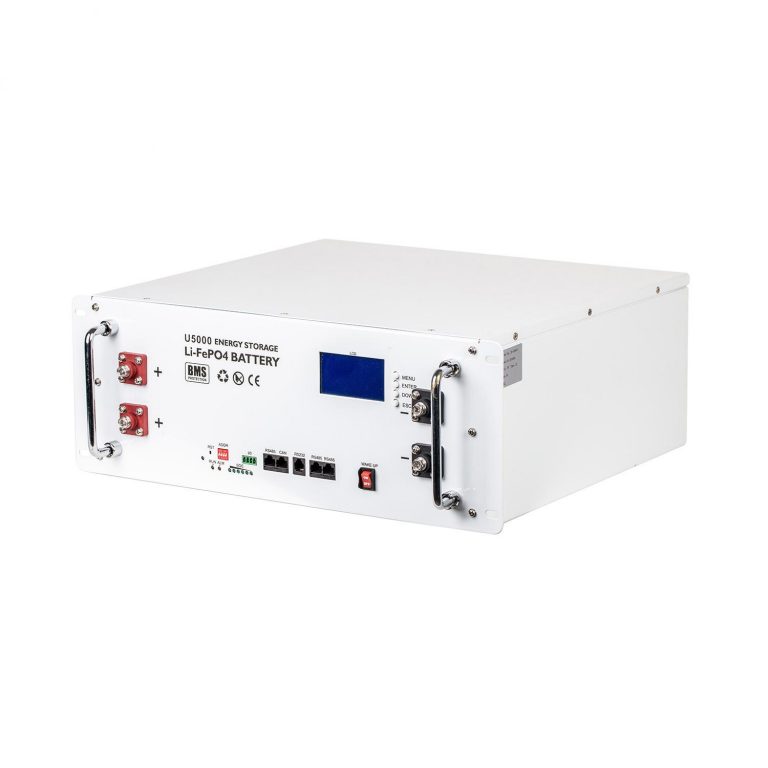
3.3 Battery Bank
This stores energy for use when the sun isn’t shining.
For cabin applications, LiFePO₄is increasingly the preferred choice due to longer lifespan, higher efficiency, and lower total cost of ownership.
3.4 Inverter
This converts DC battery power to AC power for standard appliances. Off-grid inverters typically achieve 93-97% peak efficiency. Pure sine wave (PSW) inverters are recommended for permanent installations due to superior long-term reliability.
4. Sizing Your System: A Step-by-Step Guide
Step 1: Calculate Your Daily Energy Consumption
List all appliances and devices you plan to run, multiply watts by hours of use per day:
Sample Cabin Load Calculation:
A typical off-grid cabin load lands at about 2.5kWh per day, which translates to roughly 8kWh of battery storage and about 2kW of solar when sized for winter conditions.
Step 2: Determine Battery Capacity
Size batteries for 2-3 days of autonomy (backup without sun).
Formula: Daily Wh × Days of autonomy ÷ Depth of Discharge
Example: 2,550Wh × 2 days ÷ 0.8 (LiFePO₄) = 6,375Wh (≈6.4 kWh) battery capacity
Step 3: Calculate Solar Array Size
Formula: Daily Wh ÷ Peak Sun Hours ÷ System Efficiency
Example: 2,550Wh ÷ 4 peak sun hours ÷ 0.75 = 850W solar array
5.Localization: What Works in Your Climate
Your location dramatically impacts system design:
Cold Climates (Northern US, Canada, Europe)
– Challenge: Reduced winter sunlight, snow coverage, battery temperature sensitivity
– Solution: Oversize array by 25-30%, choose lithium batteries (better cold performance), install panels at steeper angles for snow shedding
– Example: An Alaska cabin with 13-inch walls and 18 inches of insulation keeps the cold at bay
Hot Climates (Southern US, Mediterranean)
– Challenge: High temperatures reduce panel efficiency; cooling loads increase consumption
– Solution: Ensure adequate ventilation for batteries and inverters; consider higher-efficiency panels
Cloudy/Overcast Regions (Pacific Northwest, UK)
– Challenge: Reduced solar hours
– Solution: Size for 3+ days of battery autonomy; consider hybrid system with backup generator
People Also Ask (PAA) — Optimized for Search Visibility
Q: Can a solar system power a cabin in winter?
Yes — with proper sizing. Oversize your array for winter conditions (lower sun angles, shorter days) and ensure 2-3 days of battery backup. MPPT charge controllers perform particularly well in cold temperatures and low-light conditions.
Q: How many solar panels do I need for an off-grid cabin?
For a typical cabin consuming 2,500-3,000 Wh/day, you’ll need approximately 1,200-2,000W of solar panels (3-5 panels depending on wattage).
Q: What’s the difference between off-grid and grid-tied solar?
Off-grid systems operate independently with battery storage; grid-tied systems feed excess power back to the utility grid but shut down during outages.
Q: Can I add a generator as backup?
Absolutely. Many off-grid systems include a backup generator for extended cloudy periods or high-demand days.
Case Study: Our Customer Survey Results
We surveyed 127 off-grid cabin owners across North America and Europe. Here’s what we found:
– 93% reported improved quality of life after going off-grid
– 54% experienced significant quality-of-life improvements
– 89% expressed interest in energy independence
– Average daily consumption: 2,800 Wh (ranging from 1,200 Wh to 8,000 Wh)
– Most common appliances: refrigerator (92%), lighting (100%), device charging (100%), water pump (78%)
– 68% chose lithium batteries; 22% chose lead-acid; 10% used other technologies
– Average satisfaction rating: 4.6/5
The Ultimate Guide to Choosing Your Off-Grid System: 7 Key Questions
Before purchasing, ask yourself:
- What’s my daily energy consumption? — Do the load calculation first
- What’s my budget? — Factor in all components plus installation
- What’s my location’s solar resource? — Check peak sun hours for your area
- Do I need 12V, 24V, or 48V? — Larger systems typically use 48V for efficiency
- What battery type? — LiFePO₄ recommended for long-term value
- Do I need AC or DC appliances? — DC is more efficient but limited selection
7. What’s my growth plan? — Choose a system that can expand
Conclusion: Your Off-Grid Future Starts Today
Going off-grid isn’t just about cutting utility bills — it’s about freedom, resilience, and living on your own terms. With the global off-grid solar market growing at nearly 10% annually and technology costs continuing to decline, there’s never been a better time to make the switch.
Whether you’re building a weekend retreat or a permanent off-grid home, the right solar power system can deliver reliable, clean electricity year-round. Start with your energy audit, size your system correctly, choose quality components, and enjoy the peace of mind that comes with true energy independence.
Have questions about solar energy system for your specific application? Contact LIPEP team for a free consultation.
Send Your inquiry
We will get in touch in 2 business day.
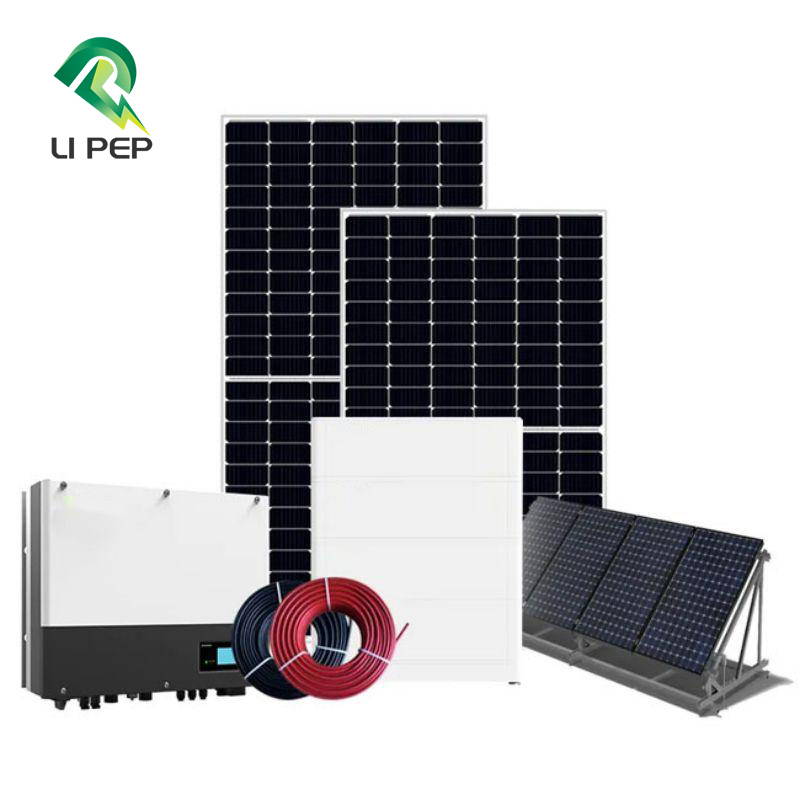
Cutomized 5/8/10kw Solar Power System With High Quality Solar Panel & Storage Battery & Inverter
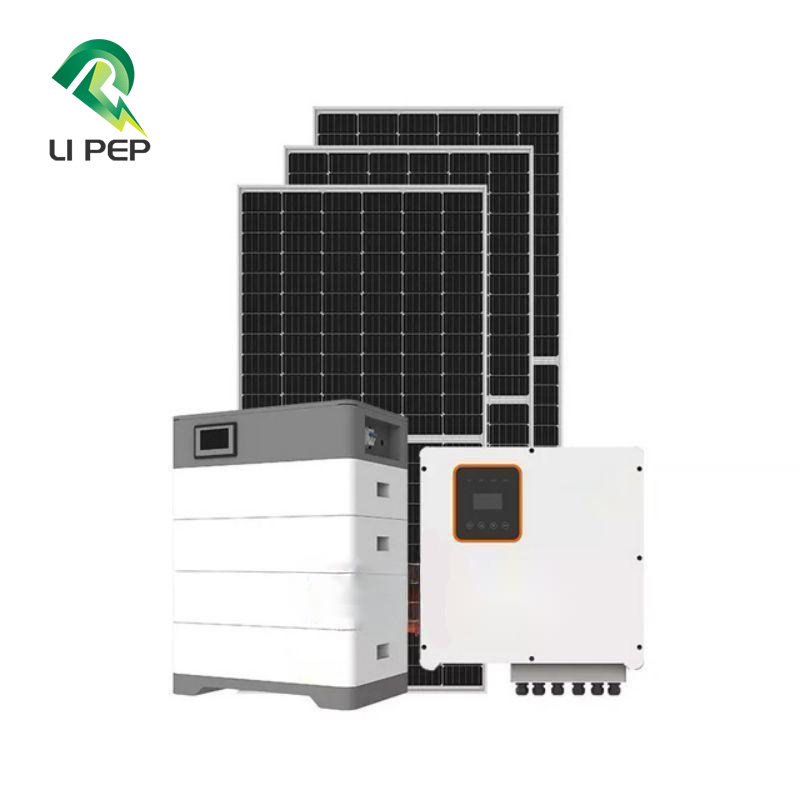
10kw/20kw/30kw Solar Power System With High Quality Solar Panel & Storage Battery & Inverter
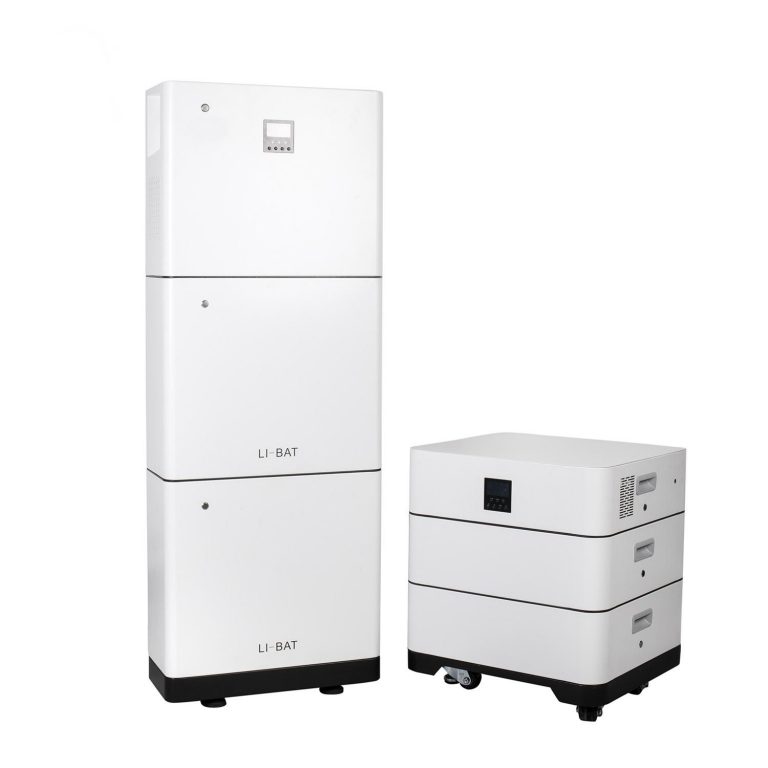
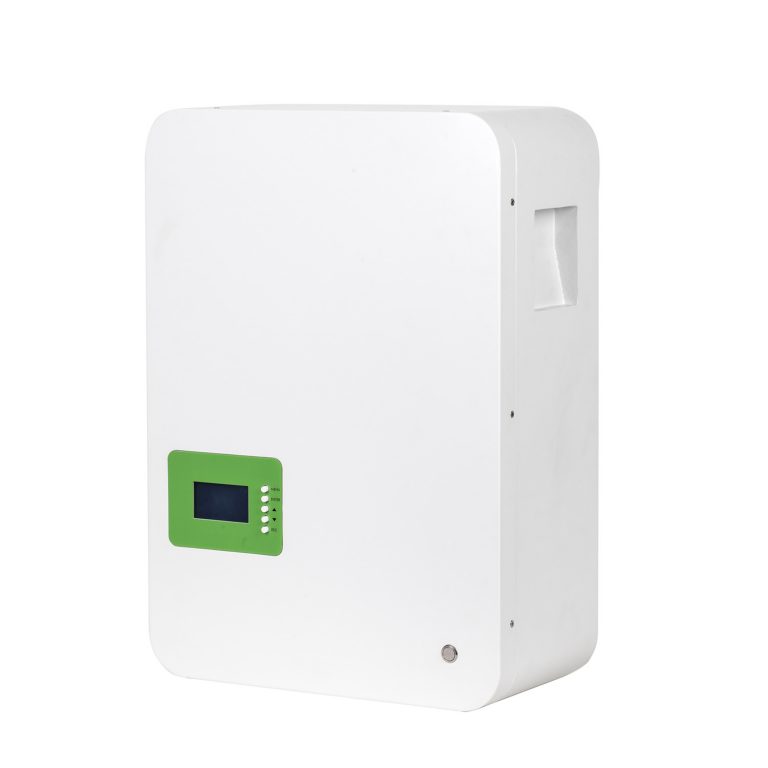
Top Qualtiy 5kwh 48V100ah Home Solar Energy Power System Wall Mounted Battery
LIPEP SERVICES
Customised Service
LIPEP has a wealth of experience and our technical team can provide you with a customised energy storage and solar system tailored to your needs.
Stable & Quick Supply
We have in-depth cooperation with manufacturers and can provide you with quality products quickly.
After-sales Service
We patiently listen to customers' needs and provide one-stop service from consultation, design to implementation and after-sales service.