Introduction
Commercial rooftop solar has moved from a niche sustainability play to a core financial strategy for businesses across the United States. But the gap between a promising proposal and a system that actually performs comes down to execution. This guide walks through every stage of a commercial rooftop solar project: from the initial site survey to final grid interconnection. We draw on real project data, industry benchmarks, and hands-on field experience to give you a practical road map.
What Is Commercial Rooftop Solar?
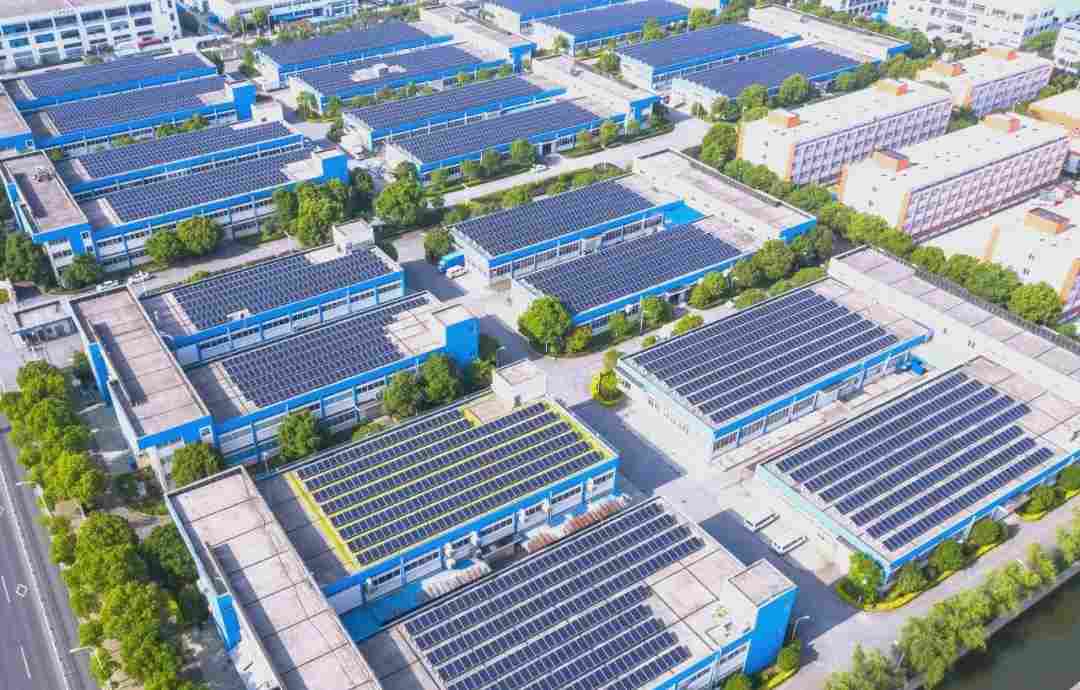
Commercial rooftop solar refers to photovoltaic (PV) systems installed on the roofs of commercial, industrial, or institutional buildings—typically ranging from 50 kW to several megawatts in capacity. These systems are designed to offset a facility’s electricity consumption, reduce peak demand charges, and in many cases generate revenue through net metering or community solar programs.
Unlike residential installations, commercial systems involve complex structural assessments, three-phase electrical infrastructure, and multi-stakeholder approval processes. Project timelines typically run 6–18 months from initial survey to grid connection, depending on utility interconnection queues and permitting complexity.
The 7-Stage Process: From Survey to Switch-On
Stage 1: Site Survey and Feasibility Assessment
The site survey is the only step in the entire project that touches physical reality. Everything else—the design, the production estimate, the proposal, the permit set—is a model.
A commercial site survey typically takes 2–4 hours and covers five critical inspection areas: roof condition and structure, shading and solar access, electrical panel and service capacity, roof geometry and layout measurements, and safety/logistics.
What the survey must capture:
– Roof age and remaining useful life. Most commercial solar projects require at least 15–20 years of remaining roof life. If the roof has less than 10 years left, re-roofing before solar installation is almost always the better financial decision.
– Structural load capacity. Standard commercial solar panels add approximately 50 pounds per panel to the roof load. A structural engineer’s assessment is mandatory in many jurisdictions and strongly recommended everywhere else.
– Shading analysis across the full 9 AM–3 PM solar window, including seasonal tree growth that the property owner may have forgotten to mention.
– Electrical service capacity. The main panel busbar rating, breaker layout, and available space for a new solar breaker. This is the single most commonly missed item in commercial surveys—and the one that triggers the most expensive change orders.
Key decision point: After the survey, you should have a clear “go / no-go” answer. If the roof structure requires reinforcement, the electrical service needs a $3,000–$4,000 panel upgrade, or shading cannot be mitigated, the project economics may not work—and it’s far better to know now than after signing a contract.
Stage 2: System Sizing and Design
Commercial solar system sizing is not simply about filling the available roof space. The optimal size depends on three factors: annual energy consumption, the facility’s load profile (how much power is used during daylight hours), and the local utility’s net metering or interconnection rules.
A critical sizing principle: a system that is too small per kW costs more and saves less. As one industry analysis notes, “A 50 kWp system on a site that could justify 250 kWp costs 25–35% more per kWp and generates proportionally less savings”. The goal is to match generation to daytime consumption as closely as possible—because that’s where the highest bill savings occur.
Stage 3: Permitting and Incentive Applications
Permitting for commercial solar involves two parallel tracks: local building permits (city or county) and utility interconnection applications. Both can be time-consuming—plan for 4–12 weeks for permits and 2–6 months for utility approval, depending on your region.
Stage 4: Installation
Commercial solar installation typically takes 2–8 weeks for the physical construction, depending on system size and roof complexity. The key to a smooth installation is the quality of the design and survey data—not the speed of the crew.
What happens during installation:
1.Roof preparation — flashing, attachment points, and ballast or penetration-based racking
2.Module mounting — panels are typically arranged in rows with walkways for maintenance access (NEC rapid shutdown requirements apply)
3.Inverter and electrical installation — string inverters or central inverters, DC/AC disconnects, and interconnection to the main service panel
4. Monitoring system setup — production meters and communication gateways for real-time performance tracking
Stage 5: Inspection and Grid Interconnection
Once installation is complete, two inspections must pass before the system can be energized:
1.Local building inspection — verifies compliance with electrical code, structural requirements, and fire safety access
2.Utility interconnection inspection — confirms the system meets the utility’s technical requirements for grid connection
Only after both inspections pass does the utility grant Authorization to Operate (ATO) and upgrade the meter to a bidirectional model that measures both energy consumed from and delivered to the grid.
Stage 6: Commissioning and Performance Verification
After ATO, the system enters a 30–90 day commissioning period where actual production is compared against the model’s estimates. This is your verification checkpoint. If production is more than 10–15% below the modeled output, the installer should investigate before the performance guarantee is finalized.
Stage 7: Ongoing Operations and Maintenance
Commercial solar O&M is not a “set it and forget it” proposition. While modern panels and inverters are highly reliable, regular maintenance ensures maximum lifetime value:
– Annual inspections: Visual check of modules, mounting hardware, and wiring
– Inverter maintenance: Most string inverters require replacement at year 10–15; budget for this in your financial model
– Module cleaning: Typically 1–4 times per year depending on local dust and soiling conditions
– Production monitoring: Real-time alerts for underperformance enable rapid diagnosis.
Does Commercial Solar Actually Pay Off? Real Data
The short answer: yes—but the payback period depends heavily on your location, utility rates, and how much of the solar generation you consume on-site.
Case Study: 218 kW System at Easterseals, Connecticut
A 218-kilowatt rooftop solar system installed at Easterseals’ 22,100-square-foot facility in Windsor, Connecticut is projected to save approximately $1.3 million in energy costs over the system’s lifetime. The project was financed through Connecticut’s C-PACE program with approximately $714,000 in financing and utilized the federal ITC direct pay option.
Case Study: 711 kW Warehouse Project, Maryland
Madison Energy Infrastructure completed a 711-kilowatt rooftop array at an EQT Real Estate warehouse in Frederick, Maryland. The system creates reliable, long-term revenue for the property owner while delivering affordable energy to the surrounding community.
Case Study: 1.4 MW Sports Facility, Colorado
Altus Power’s 1.4 MW rooftop solar project at the Blue Sport Stable facility in Superior, Colorado powers the majority of the facility’s annual energy needs—including ice rinks, which are notoriously energy-intensive. The owner expects to reduce annual energy costs by 50–70% over the next thirty years.
PPA vs. Ownership: Which Model Fits Your Business?
| Factor | Direct Ownership | PPA / Lease |
|---|---|---|
| Upfront capital | Required | $0 |
| ITC & depreciation | You claim them | Developer claims them |
| 25-year savings | Highest | Lower (shared with developer) |
| O&M responsibility | You | Developer |
| Balance sheet impact | Asset + liability | Off-balance-sheet (operating lease) |
| Best for | Companies with tax appetite and capital | Non-profits, tenants, capital-constrained businesses |
Source: Industry analysis of commercial solar financing models.
The choice ultimately comes down to whether your business can use the tax credits and depreciation benefits. If yes, ownership almost always delivers better long-term returns. If not—or if you don’t want to manage the system—a PPA shifts the technical and financial risk to the developer.
People Also Ask (PAA) — Quick Answers
Q: How long does commercial solar installation take?
A: From signed contract to grid connection, plan for 6–18 months. The physical installation itself takes 2–8 weeks, but permitting and utility interconnection typically consume the majority of the timeline.
Q: What is the payback period for commercial rooftop solar?
A: With the 30% ITC and bonus depreciation, most US commercial projects pay back in 4–8 years. High-daytime-load facilities in states with above-average electricity rates can see payback as short as 3–4 years.
Q: Does my commercial roof need structural reinforcement for solar?
A: Not always. Standard commercial solar adds approximately 50 pounds per panel to the roof load. A structural engineer’s assessment determines whether your roof can support the additional weight. Flat roofs with concrete or steel decking typically require no reinforcement; older timber-frame roofs may need upgrades.
Q: Can I install solar if I don’t own the building?
A: Yes. If you’re a tenant, you can work with your landlord to install a solar system under a PPA or roof lease arrangement. The landlord may receive a rooftop rental fee or a share of the savings, while you benefit from lower electricity costs.
Q: What happens to my solar system during a power outage?
A: Standard grid-tied systems shut down during outages for safety reasons (anti-islanding protection). To maintain power during outages, you need battery storage or a hybrid inverter with backup capability.
Ready to find the right solar+storage solution for your home or business? Contact LIPEP team for a free consultation and customized system design.
Send Your inquiry
We will get in touch in 2 business day.
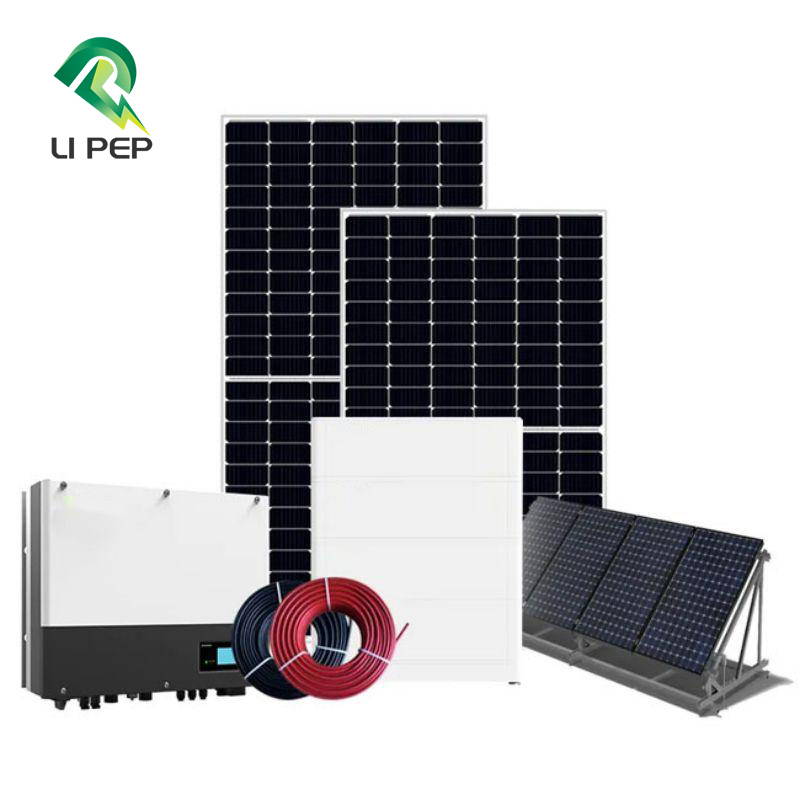
Cutomized 5/8/10kw Solar Power System With High Quality Solar Panel & Storage Battery & Inverter
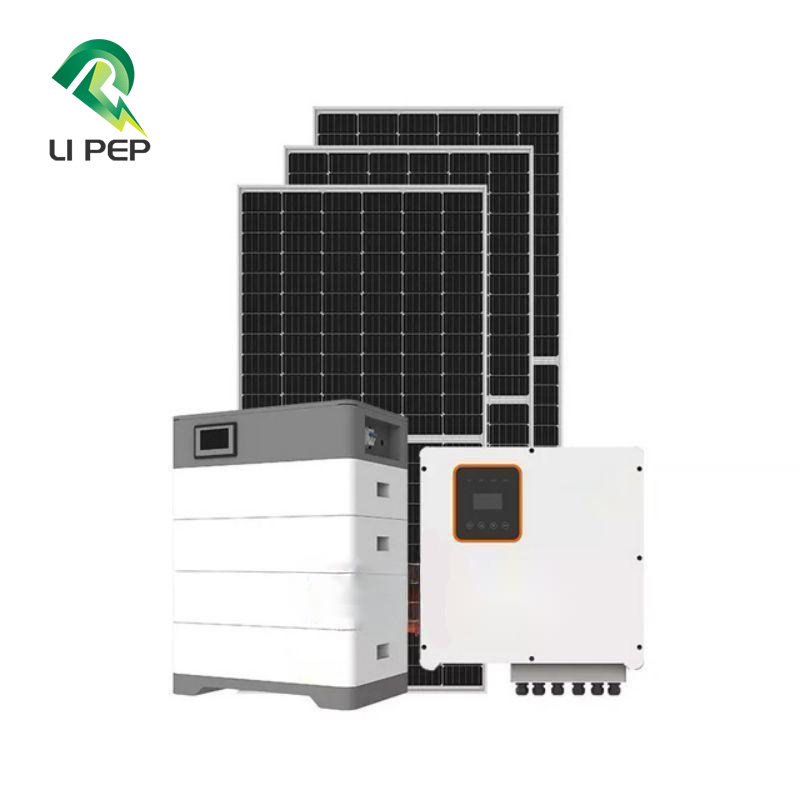
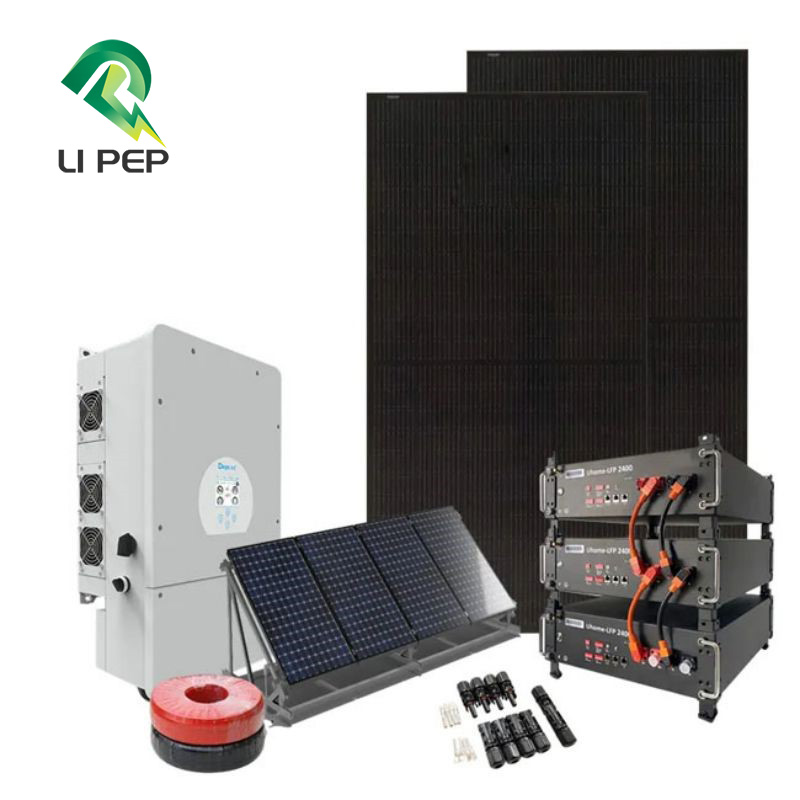
10kw/20kw/30kw Solar Power System With High Quality Solar Panel & Storage Battery & Inverter
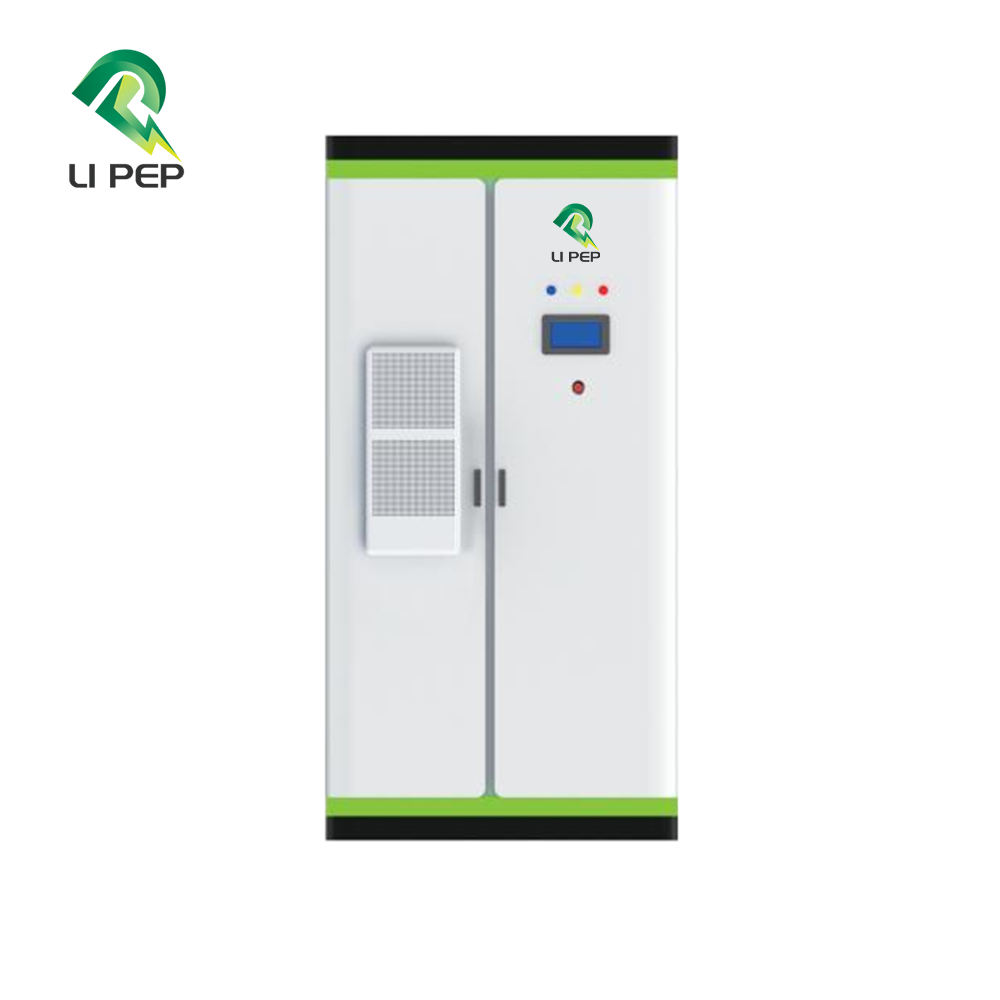
Cutomized 100kw/200kw Solar Power System With High Quality Solar Panel & Energy Storage System
LIPEP SERVICES
Customised Service
LIPEP has a wealth of experience and our technical team can provide you with a customised energy storage and solar system tailored to your needs.
Stable & Quick Supply
We have in-depth cooperation with manufacturers and can provide you with quality products quickly.
After-sales Service
We patiently listen to customers' needs and provide one-stop service from consultation, design to implementation and after-sales service.