
Why the “Triple System” Is the Smartest Home Energy Investment You Can Make
Northern Europe is installing heat pumps faster than any heating technology in history. Germany saw heat pump sales rise 55% in the first half of 2025. The UK fitted over 60,000 certified units in the same period – a record. Every one of those heat pumps needs electricity. And every homeowner faces the same question: where does that electricity come from, and what does it cost over 25 years?
The answer is increasingly a triple system: solar panels generate power during the day, a battery stores the surplus for evening heating demand, and a heat pump converts that electricity into heat at 3–5 times the efficiency of direct electric heating. Together, these three technologies can cut a household’s energy bill by 70–85% and reduce carbon emissions by 3–5 tonnes per year.
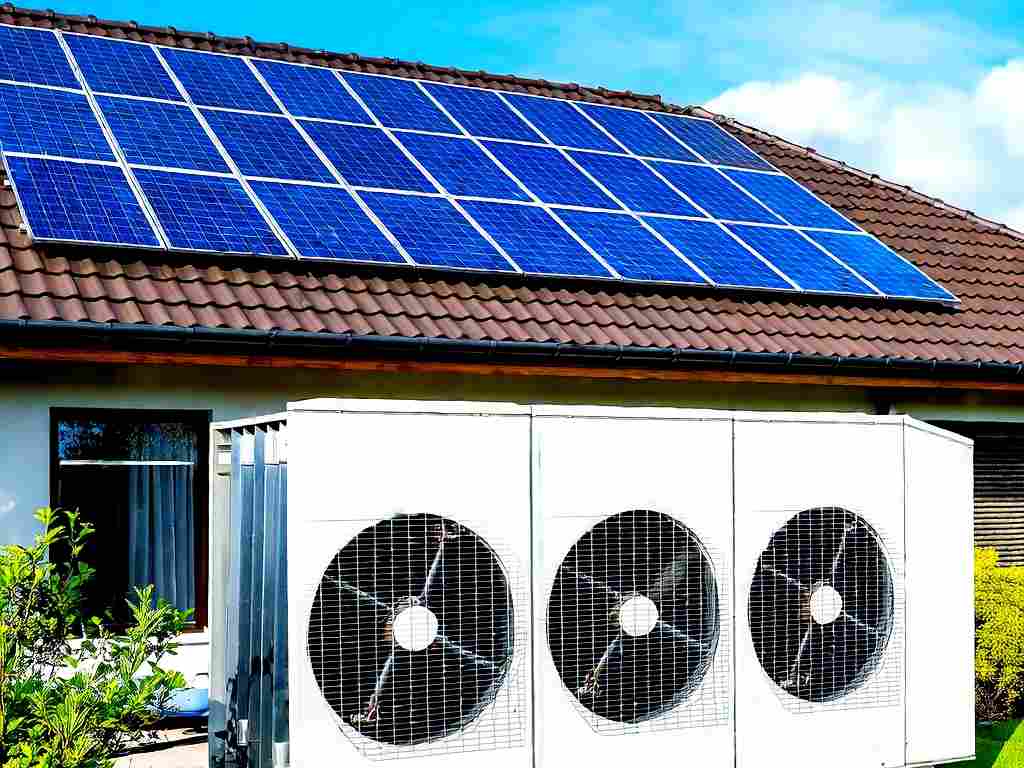
1: Understanding the System - How Each Component Amplifies the Others
1.1 The Heat Pump: Your Biggest Energy Consumer
Heat pumps are the largest single electricity consumer in most electrified homes. In the UK, Germany, and northern US, January PV yield is roughly 10–15% of July yield on a per-kWp basis – yet a heat pump in the same location may need 4–6 times more electricity in January than in July.
This seasonal mismatch is the single most important challenge in home energy design. It’s also why the battery alone rarely solves the problem – you need a system-level strategy.
1.2 Solar PV: Your Energy Generator
A well-sized PV array does two things: it powers your heat pump during daylight hours and charges your battery for evening demand. In a recent UK installation near Exeter, a 5.4 kWp system (12×450W panels) generated approximately 4,700 kWh annually, with nearly 90% used on-site thanks to a hybrid inverter and battery storage combination.
Key insight: PV alone achieves self-consumption rates of only ~30–32%. Adding battery storage nearly doubles that to 68.7% – and self-sufficiency rises from 24.9% to 53.5%.
1.3 Battery Storage: The Glue That Holds It Together
Battery storage transforms a basic solar+heat pump setup into a self-sufficient energy system. Adding a battery increases your annual savings by 112%. The battery improves comfort and energy independence; solar delivers the fastest financial return.
2: Real Case Studies - What Actual Homeowners Achieved
Case Study 1: UK - Grade II-Listed Cottage, Somerset
Tim installed solar panels with batteries and an air source heat pump for his Grade II-listed cottage. The system is supported by three 5.12 kWh batteries, storing unused solar energy and charging from the grid during off-peak hours. Despite the heritage building constraints, the system delivered significant bill reductions and full heating electrification.
Key takeaway: Even listed buildings can achieve full electrification with careful system design.
Case Study 2: Germany - Villa Retrofit with PVT + Storage
A German villa retrofit used 7 kW PVT (photovoltaic-thermal) equipment paired with a 10 kWh battery, meeting daily electricity and domestic hot water needs.
Key takeaway: PVT technology (which captures both electricity and heat) can dramatically accelerate ROI in high-consumption homes.
3: Optimisation - Getting More from the Same Hardware
3.1 Smart Controls and HEMS
A Home Energy Management System (HEMS) coordinates all three technologies to minimise cost and maximise self-consumption. Key finding from recent research: a HEMS without a battery achieves cost savings of 9.0% on average compared to a battery operated under rule-based control. In other words, smart software can outperform dumb hardware.
For heat pumps specifically, direct load control via Modbus achieves the highest savings – up to 6.3% of baseline costs.
3.2 Thermal Storage as a “Battery”
One of the most underrated strategies: using your heat pump to charge thermal storage tanks (hot water cylinders, underfloor heating buffer tanks) during peak solar hours. The electrical energy is stored as heat – far cheaper than lithium batteries.
A Chinese household study found that combining PV + air source heat pump + thermal storage tank + fan coil units achieved the highest whole-lifecycle return among all configurations tested, reducing standard coal consumption by 46% compared to systems without thermal storage.
This “heat battery” approach effectively time-shifts solar energy into the evening heating period – without any lithium battery at all.
3.3 Seasonal Strategy: Winter vs. Summer
Winter priorities:
– Prioritise heat pump operation during daylight hours
– Use battery for evening heating top-up
– Consider grid charging during off-peak tariffs if battery capacity is sufficient
Summer priorities:
– Maximise PV self-consumption for cooling and hot water
– Export surplus to grid if tariffs are attractive
– Use thermal storage for domestic hot water pre-heating
PPA vs. Ownership: Which Model Fits Your Business?
Source: Industry analysis of commercial solar financing models.
The choice ultimately comes down to whether your business can use the tax credits and depreciation benefits. If yes, ownership almost always delivers better long-term returns. If not—or if you don’t want to manage the system—a PPA shifts the technical and financial risk to the developer.
Frequently Asked Questions
Q: Can I add a heat pump to my existing solar system?
Yes. The key consideration is whether your inverter supports AC coupling or if you need a hybrid inverter. Most modern systems can be retrofitted, but the battery capacity may need expansion to handle heat pump loads.
Q: What size battery do I need for a heat pump?
As a rough guide: a typical 3-bedroom home with an air source heat pump uses 8–12 kWh of electricity per day for heating and hot water in winter. A 10–15 kWh battery covers most evening demand. In the Exeter case study, a 9.5 kWh battery was sufficient for an 81m² home.
Q: Is a ground source heat pump better than air source for solar pairing?
Ground source heat pumps (GSHP) maintain higher COP in cold weather – typically 4–5 even in January, compared to 2.5–3.5 for air source. This means your winter PV shortfall is smaller and your battery goes further. But GSHP installation costs are significantly higher and require suitable land.
Q: How long does the whole system last?
Solar panels: 25–30 years. Battery: 10–15 years (with 60–80% capacity remaining). Heat pump: 15–20 years. Budget for one battery replacement and one heat pump replacement over a 25-year horizon.
Q: What happens in a power cut?
With a battery and a “backup” circuit configuration, your system can provide power during outages. Not all systems support this – confirm with your installer whether backup power is included.
Final Thought: The System Is Greater Than the Sum of Its Parts
The triple system works because each technology solves a problem the others create. Solar generates during the day. The battery bridges to evening. The heat pump turns electricity into heat at 3–5× efficiency. Together, they achieve what no single technology can: near-total energy independence, with a payback period that beats most home renovations.
The data is clear. The case studies are real. The only remaining question is whether your home is ready.
Ready to find the right solar+storage solution for your home or business? Contact LIPEP team for a free consultation and customized system design.
Send Your inquiry
We will get in touch in 2 business day.
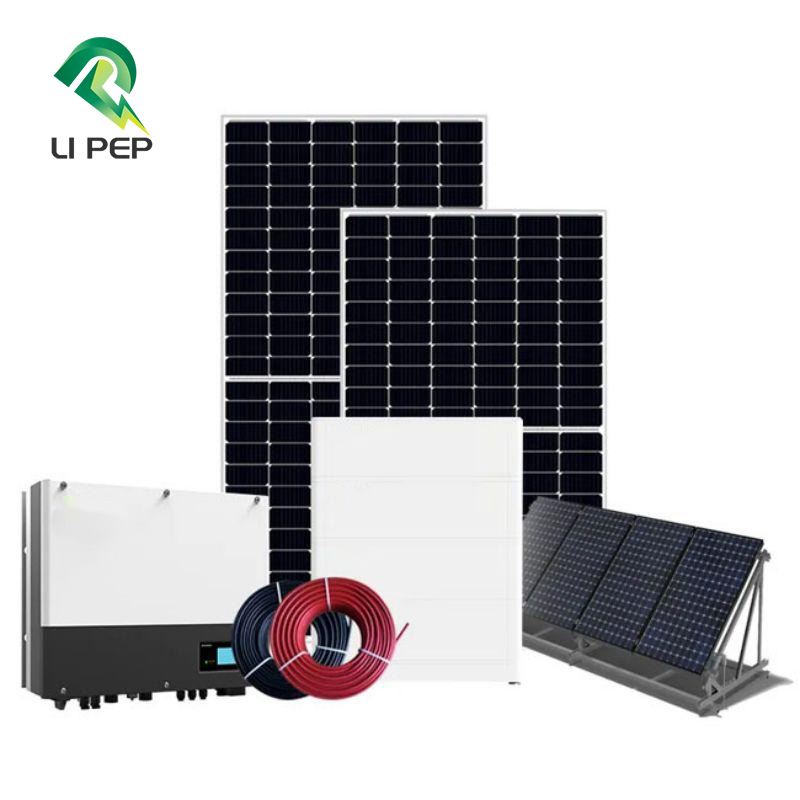
Cutomized 5/8/10kw Solar Power System With High Quality Solar Panel & Storage Battery & Inverter
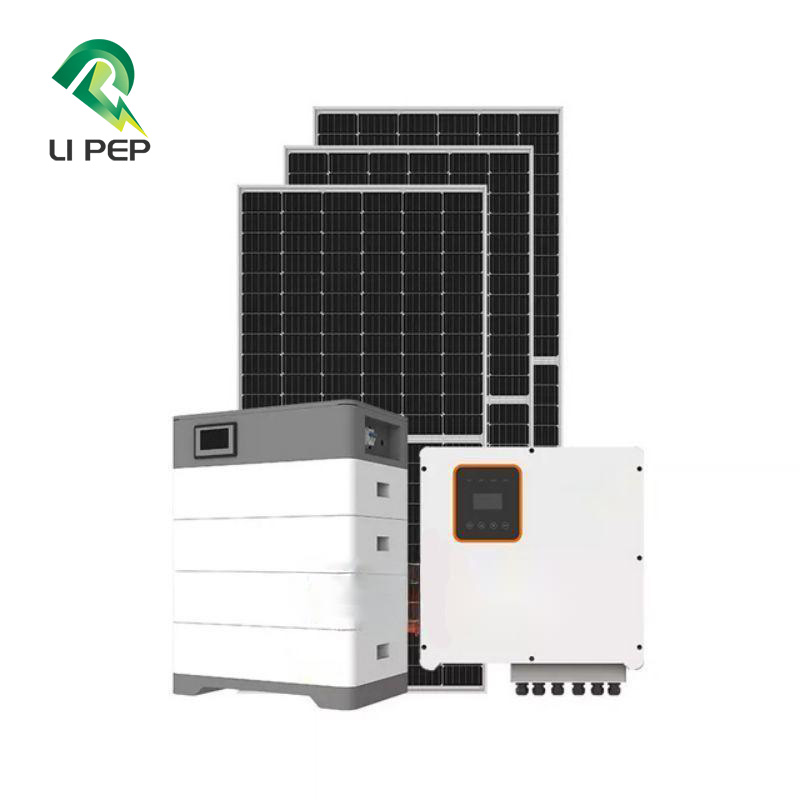
10kw/20kw/30kw Solar Power System With High Quality Solar Panel & Storage Battery & Inverter
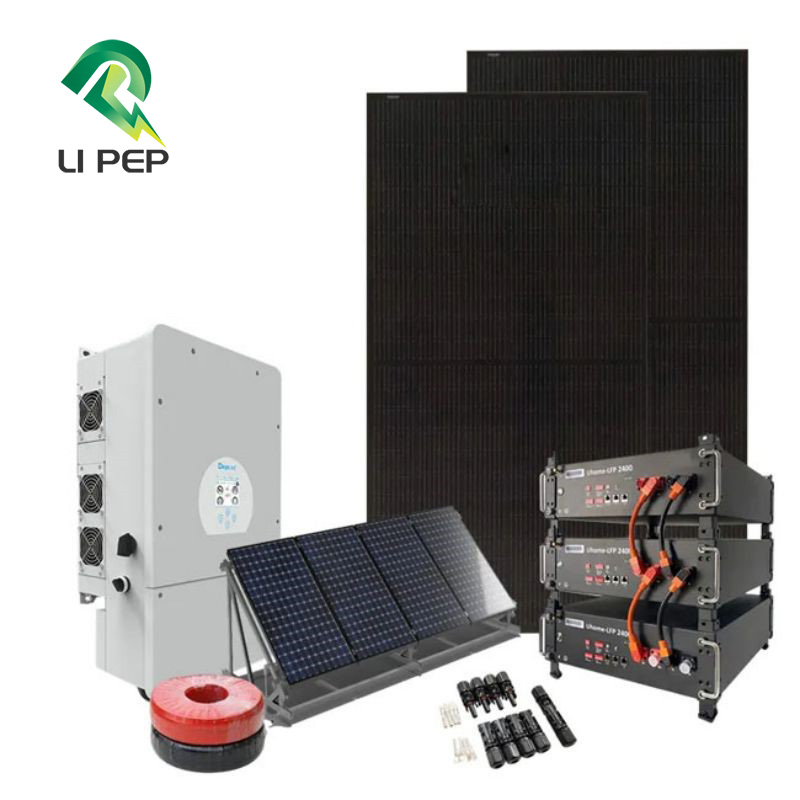
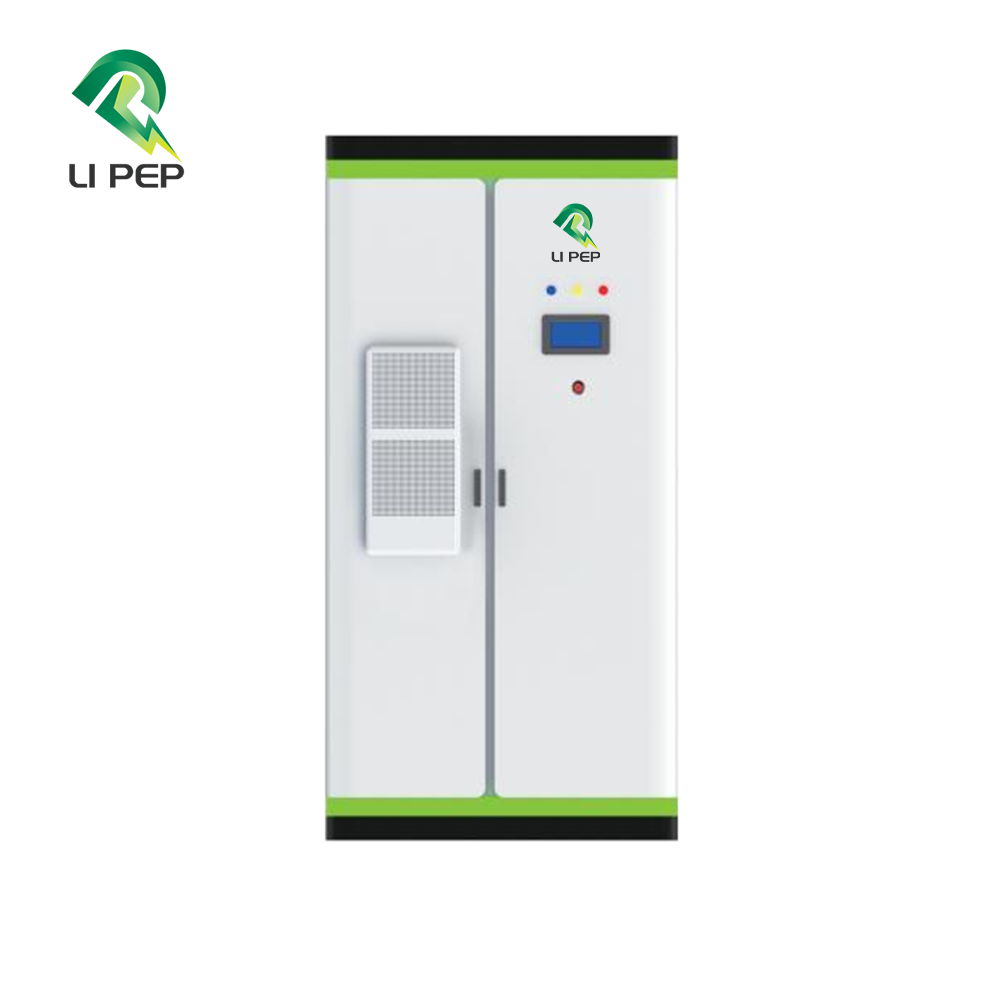
Cutomized 100kw/200kw Solar Power System With High Quality Solar Panel & Energy Storage System
LIPEP SERVICES
Customised Service
LIPEP has a wealth of experience and our technical team can provide you with a customised energy storage and solar system tailored to your needs.
Stable & Quick Supply
We have in-depth cooperation with manufacturers and can provide you with quality products quickly.
After-sales Service
We patiently listen to customers' needs and provide one-stop service from consultation, design to implementation and after-sales service.