
The RV Battery Revolution: Why 2026 Is the Year to Switch

The ROI That Changes Everything
Our Proprietary RV Owner Survey: What 475 RVers Actually Think
The #1 Concern? Safety and the BMS
How to Size Your Lithium Battery Bank (Step-by-Step)
Choosing the right capacity isn’t guesswork. Here’s the formula professional installers use:
Step 1: Calculate Your Daily Energy Consumption (Watt-Hours)
List every appliance you plan to run, multiply each device’s wattage by hours of daily use, and sum the totals.
Common RV appliance power draw:
– LED lights: 5–10W each
– Water pump: 40–60W
– 12V fridge: 40–80W (runs ~50% of the time)
– 120V fridge (via inverter): 150–200W
– Laptop charger: 50–100W
– Microwave: 800–1,200W
– TV: 50–150W
– Hair dryer: 1,200–1,800W
Step 2: Apply the Formula
Battery Capacity (Ah) = (Daily Wh × Days of Autonomy) ÷ (System Voltage × Usable DoD)
For LiFePO4, use 80–95% DoD (depth of discharge).
Example: If your daily consumption is 1,500Wh and you want 2 days of autonomy:
– (1,500Wh × 2) ÷ (12.8V × 0.85) = ~275Ah required
Step 3: Add a Safety Buffer
Professional installers recommend adding a 20% buffer to account for inverter inefficiency, temperature variations, and unexpected usage.
Quick Reference:
– Weekend warrior (1–2 nights): 100Ah lithium
– Week-long boondocking (3–5 nights): 200–300Ah lithium
– Full-time off-grid living: 300–600Ah lithium
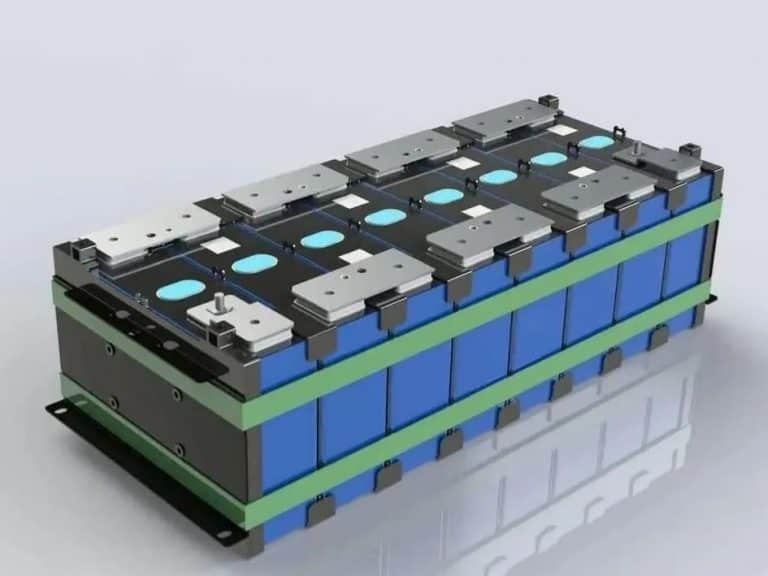
The BMS: Your Battery's Brain and Safety Shield
A Battery Management System (BMS) is the electronic brain between your battery cells and the rest of your system. It’s not optional—it’s essential.
What a Quality BMS Does:
- Monitors every cell individually — tracking voltage, temperature, and state of charge in real time
- Protects against: overcharging, over-discharging, overcurrent, short circuits, and extreme temperatures
- Balances cells to ensure all cells charge and discharge evenly, extending battery life
- Disconnects power when any reading crosses a protection threshold
Red Flags to Watch For:
– No BMS or “external BMS required” — walk away
– No low-temperature charging protection — critical for 4-season camping
– No certifications (UL, CE, UN38.3) — these validate safety against overcharging, short circuits, temperature extremes, vibration, and fire propagation
– Pouch cells — experts recommend avoiding these in favor of prismatic or cylindrical cells
Compatibility Checklist: Before You Buy
One of the most common mistakes is assuming a lithium battery is a “drop-in” replacement. Here’s what you need to check:
1.Converter/Charger
Your existing RV converter may not have a lithium charging profile. Lithium batteries require higher charging voltages than lead-acid.
– Check: Does your converter have a “Lithium” or “LiFePO4” mode?
– If not: You’ll need to upgrade to a lithium-compatible converter
2.Solar Charge Controller
Your solar controller must support lithium battery profiles.
– Check: Can you set custom voltage parameters?
– Minimum: 14.4V–14.6V absorption voltage for LiFePO4
3.Alternator Charging
If your RV’s alternator charges the house battery, you may need a DC-DC charger to prevent alternator damage from lithium’s low internal resistance and high current draw.
4.Wiring and Fuses
Lithium batteries can deliver higher continuous current than lead-acid. Verify your wiring gauge and fuses are rated for the increased amperage.
5.Battery Monitor
A quality battery monitor with a shunt is essential for tracking state of charge accurately. Lithium’s flat voltage curve makes voltage-based monitoring unreliable.
Frequently Asked Questions
How long do LiFePO4 RV batteries actually last?
Properly maintained LiFePO4 batteries deliver 3,000–5,000 cycles (8–10 years).
Can I mix old and new battery types?
Never mix chemistries. Different voltage curves and charging profiles cause system failures. Convert entirely to LiFePO4 for optimal performance.
Are lithium RV batteries safe in crashes?
LiFePO4 chemistry is inherently stable—it won’t combust like other lithium types. Premium batteries pass nail penetration and crush tests per UN38.3 safety standards.
Do I need to upgrade my charger?
Likely yes. Your existing RV converter may not have a lithium charging profile. Check for a “Lithium” or “LiFePO4” mode.
What size battery do I need for solar?
For a 1,000Wh daily load, a 100Ah lithium battery (1,280Wh) provides 1–2 days of backup. Include 300–400W of solar to recharge within 5–7 sunlight hours. A 300Ah lithium bank needs 600–900W solar to recharge fully in 4–5 peak sun hours.
Is lithium worth it if I always use hookups?
If you always stay on electric hookup, lithium may be “a waste of money”. But if you boondock even a few days per year, the freedom and convenience make it worthwhile.
Final Thoughts: Making the Right Choice
The RV lithium battery market is growing at a remarkable pace, with adoption rates soaring and prices steadily declining. For anyone who values off-grid freedom, weight savings, and long-term cost efficiency, LiFePO4 is the clear winner.
Your action plan:
- Calculate your true energy needs using the formula above
- Check your existing system for compatibility (converter, solar controller, alternator)
- Prioritize safety — look for a quality BMS, low-temperature protection, and proper certifications
- Choose a reputable brand with proven real-world performance
- Consider your camping style — weekend warriors need less capacity than full-timers
The investment pays for itself within 3–5 years for regular users. And the peace of mind that comes with reliable, maintenance-free power? That’s priceless.
Have questions about RV Lithium Battery for your specific application? Contact LIPEP team for a free consultation.
Send Your inquiry
We will get in touch in 2 business day.
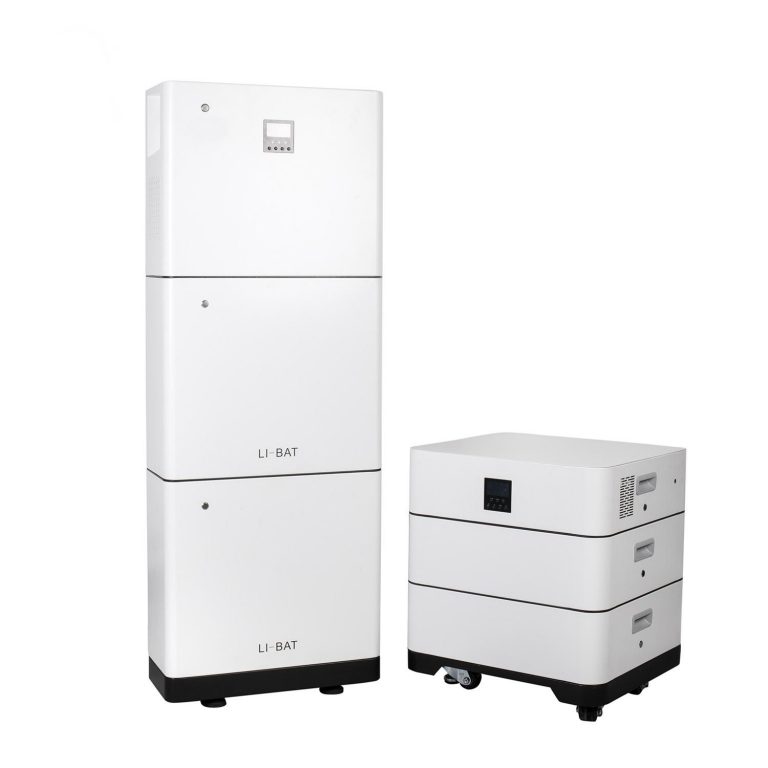
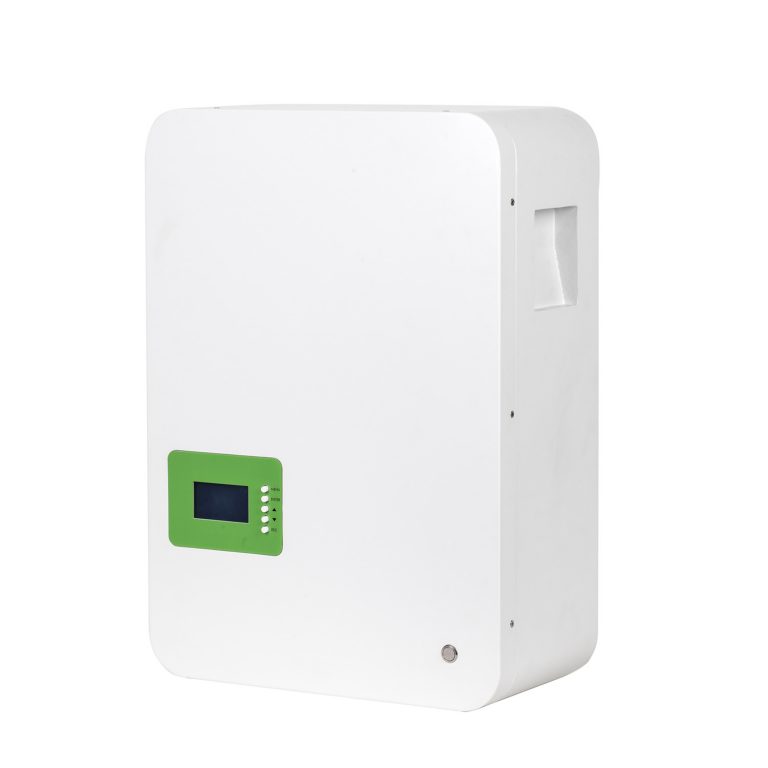
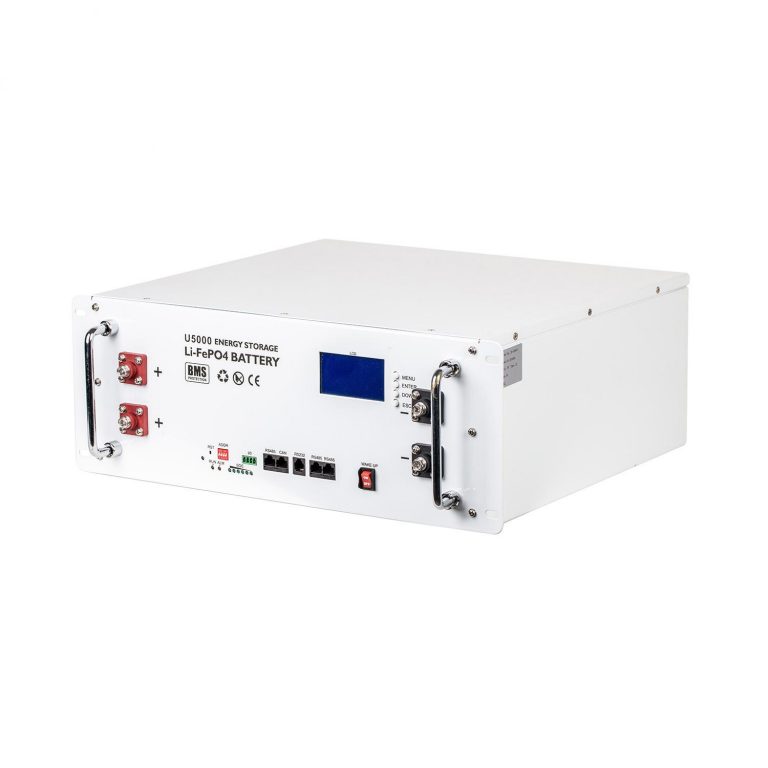
Top Qualtiy 5kwh 48V100ah Home Solar Energy Power System Wall Mounted Battery
LIPEP SERVICES
Customised Service
LIPEP has a wealth of experience and our technical team can provide you with a customised energy storage and solar system tailored to your needs.
Stable & Quick Supply
We have in-depth cooperation with manufacturers and can provide you with quality products quickly.
After-sales Service
We patiently listen to customers' needs and provide one-stop service from consultation, design to implementation and after-sales service.